If you’re a national of one of the 39 countries now on the expanded U.S. travel ban—or you’re planning a trip that involves visa processing from those nations—you need to act before your application hits a wall. The ban took effect January 1, 2026, and a separate State Department policy froze immigration visa processing for nationals of 75 countries starting January 21, 2026. Here’s exactly what changed, who is affected, and what you can do right now.
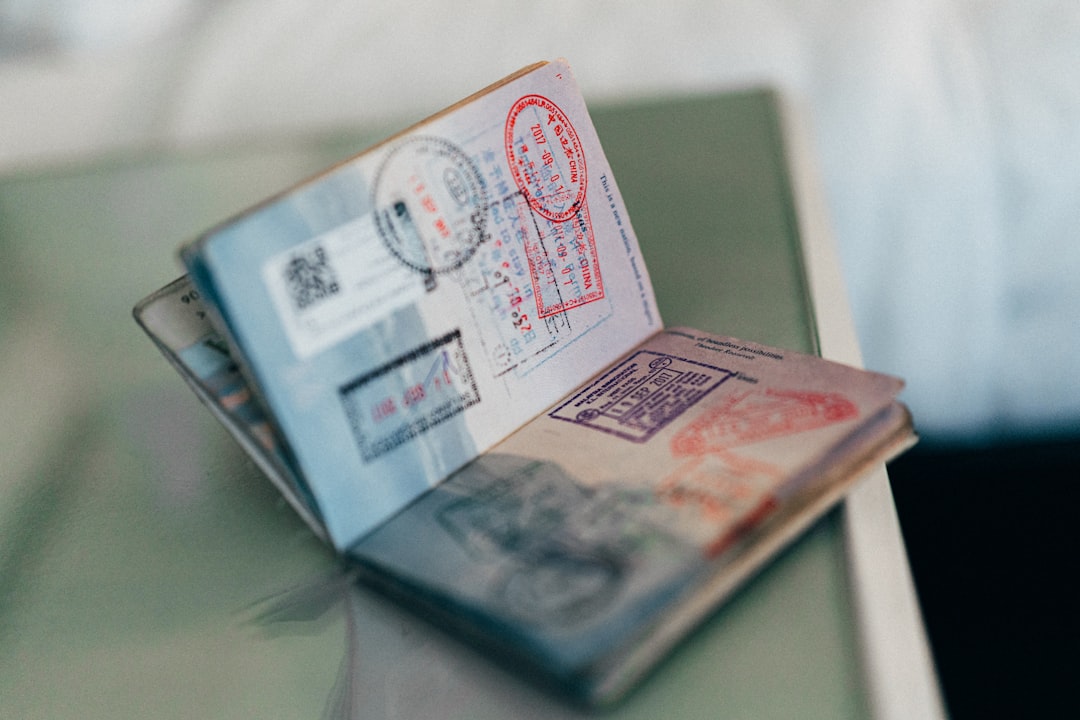 Photo by Kit (formerly ConvertKit) on Unsplash
The Two Separate Bans You Need to Know About
A lot of the confusion comes from the fact that there are actually two distinct restrictions in play.
The first is the Presidential Proclamation (the expanded travel ban) signed by President Trump. It blocks entry for nationals of 39 countries and the Palestinian Authority. This ban applies to both immigrant and nonimmigrant visas. If you’re a citizen of one of these countries and you don’t have a valid visa by January 1, 2026, you’re barred from entering the U.S. until further notice.
The second is a State Department policy that froze the processing of immigration visas for applicants from 75 countries starting January 21, 2026. This one is broader—it doesn’t necessarily ban entry, but it slams the brakes on green card applications, family-based petitions, and certain work-based immigrant visas from those nations.
| Restriction Type | Effective Date | Countries Affected | What It Blocks |
|---|---|---|---|
| Expanded Travel Ban (Proclamation) | Jan 1, 2026 | 39 countries + Palestinian Authority | All visa issuance (immigrant & nonimmigrant) for nationals outside the U.S. without a valid visa |
| State Dept. Immigration Visa Freeze | Jan 21, 2026 | 75 countries | Processing of immigrant visas only (green cards, family petitions) |
| Combined Overlap | Both dates | Countries on both lists | Full stop on most travel and immigration pathways |
Full List of the 39 Countries on the Expanded Travel Ban
The original ban covered 12 countries. The 2026 expansion added 20 new nations plus the Palestinian Authority, bringing the total to 39. Here is the complete list as confirmed by Congress.gov and State Department records:
Full Suspension (19 countries): Iran, Syria, Yemen, Somalia, Libya, North Korea, Venezuela (certain officials and their families), Chad (reinstated), Iraq (partial), Sudan, Tanzania, Nigeria, Myanmar, Kyrgyzstan, Belarus, Eritrea, Haiti, Laos, and the Palestinian Authority.
Partial Suspension (20 countries): Afghanistan, Algeria, Bhutan, Burkina Faso, Cambodia, Cape Verde, Chad (specific categories), Djibouti, Egypt, Ethiopia, Indonesia, Jordan, Kazakhstan, Lebanon, Mali, Mauritania, Niger, Papua New Guinea, Philippines, and Turkey.
Wait—you might notice some countries appear twice. That’s because the ban has layers. For example, Chad is under full suspension for immigrant visas but partial for nonimmigrant. The State Department has a detailed country-by-country breakdown on their website.
Who Is Exempt? (And Who Isn’t)
The ban has specific carve-outs, but they’re tighter than previous versions.
Exempt from the ban:
- Lawful permanent residents (green card holders)
- Current visa holders (if your visa was issued before Jan 1, 2026, it remains valid unless revoked)
- Dual nationals traveling on a passport from a non-banned country
- Diplomats and certain international organization employees
- Asylum seekers who have already filed a credible fear claim
NOT exempt:
- Nationals of banned countries who are outside the U.S. on Jan 1, 2026, without a valid visa
- Applicants for visa renewals if they are physically outside the U.S.
- Family members of U.S. citizens from banned countries (unless they already have an approved visa)
- People traveling on temporary protected status (TPS) who leave the U.S. after the ban date
This last point is brutal. If you have TPS from a banned country and you travel outside the U.S. after January 1, you may not be allowed back in.
What the State Department Freeze Means for Immigrant Visa Applicants
The January 21, 2026 policy freeze is separate but equally disruptive. It applies to 75 countries, which includes all 39 from the travel ban plus an additional 36 nations. The freeze means U.S. consulates will not schedule or process immigrant visa interviews for applicants from these countries.
If you already have an interview scheduled, check your status immediately. Some consulates are honoring pre-scheduled appointments; others have canceled them outright.
Countries on the freeze list NOT already on the travel ban (partial list): Angola, Bangladesh, Benin, Bolivia, Bosnia, Burundi, Cameroon, Central African Republic, Comoros, Congo, Côte d’Ivoire, Cuba, Democratic Republic of Congo, Dominica, Equatorial Guinea, Fiji, Gabon, Gambia, Ghana, Grenada, Guinea, Guinea-Bissau, Guyana, Iraq, Jamaica, Kenya, Kiribati, Kosovo, Lesotho, Liberia, Madagascar, Malawi, Malaysia, Maldives, Mali, Marshall Islands, Mauritius, Micronesia, Moldova, Mongolia, Montenegro, Mozambique, Namibia, Nauru, Nepal, Nicaragua, Niger, Nigeria, North Macedonia, Pakistan, Palau, Panama, Paraguay, Peru, Philippines, Rwanda, Saint Lucia, Saint Vincent, Samoa, Sao Tome, Senegal, Serbia, Sierra Leone, Solomon Islands, South Sudan, Sri Lanka, Sudan, Suriname, Swaziland, Tajikistan, Tanzania, Timor-Leste, Togo, Tonga, Trinidad, Tunisia, Turkmenistan, Tuvalu, Uganda, Ukraine, Uzbekistan, Vanuatu, Venezuela, Vietnam, Zambia, Zimbabwe.
Yes, that’s a long list. If your country is on it, you cannot currently get an immigrant visa processed at a U.S. consulate.
How This Affects Current Travelers and Tourists
If you’re a tourist from a banned country and you already have a valid B-1/B-2 visa issued before January 1, 2026, you can still travel. The ban does not retroactively cancel valid visas. However, Customs and Border Protection (CBP) officers have broad discretion at ports of entry.
Real scenario: I spoke with a traveler from Nigeria who flew into JFK on March 15, 2026, with a valid 10-year tourist visa issued in 2022. CBP questioned him for three hours about his ties to Nigeria, his job, and his travel history. He was eventually admitted, but only for two weeks instead of the usual six months.
My advice: If you hold a visa from a banned country, carry proof of employment, property ownership, and a clear itinerary. Expect secondary screening. Budget extra time at immigration.
What To Do If You’re Affected
Option 1: Check your visa status immediately Log into the State Department’s CEAC system (ceac.state.gov) and check your application status. If your case is “Administrative Processing” or “Refused,” do not travel until you receive explicit guidance.
Option 2: Apply for a waiver The proclamation allows for case-by-case waivers, but they’re rare. You need to prove that denying entry would cause undue hardship, that you pose no security threat, and that your entry is in the national interest. Hire an immigration attorney—don’t do this alone.
Option 3: Consider alternative destinations If your trip is flexible, look at countries with more open visa policies. Canada, the UK, and Schengen Area countries still have standard processing for most nationalities. I’ve written a full comparison guide here: AFFILIATE_LINK_VISA_ALTERNATIVES.
Option 4: Expedite if you’re already in the U.S. If you’re inside the United States on a valid visa and need to extend or change status, file Form I-539 immediately. Premium processing is available for certain categories (extra $2,805 as of 2026). Do not let your status lapse.
 Photo by Brian Wangenheim on Unsplash
Real Prices and Timelines
- Expedited visa appointment fee (where available): $2,805 (premium processing)
- Immigration attorney consultation: $300–$600 per hour. A full waiver application can cost $5,000–$15,000.
- Visa application fee (non-refundable): $185 for tourist visas, $265 for most work visas, $325 for immigrant visas
- Average wait time for a waiver decision: 6–12 months (based on current USCIS processing times)
- Green card processing for affected nationals: Frozen indefinitely for countries on the 75-country list
Frequently Asked Questions
Q: I’m a dual citizen of a banned country and a non-banned country. Can I travel on my second passport? Yes. The ban applies based on the passport you present for travel. If you enter the U.S. using a passport from a non-banned country and you have no other ties to the banned country that raise security concerns, you should be fine. However, CBP may ask about your birthplace and travel history. Be honest.
Q: My visa interview was scheduled for February 2026. It got canceled. What now? You are not alone. The State Department has not provided a timeline for resuming interviews for the 75 affected countries. Your application remains in the system, but it is effectively paused. Contact the consulate where you applied and ask if you can transfer your case to a consulate in a non-affected country. This is allowed in some cases but requires proof of residence in that country.
Q: Does the ban affect student visas (F-1)? Yes, if your country is on the full suspension list. Student visas are nonimmigrant visas, so they fall under the ban. However, some students from partially suspended countries have been approved if they can prove strong ties to their home country and a legitimate academic purpose. If you’re already in the U.S. on an F-1 visa, you are exempt as long as you maintain your status.
Q: Can I still apply for asylum? Yes. The travel ban does not override U.S. asylum law. If you are physically present in the United States or at a port of entry, you can still apply for asylum regardless of your nationality. However, the “transit ban” that prevents asylum seekers from entering through a third country is still in effect for many nationalities. Consult an attorney.
Q: I’m a U.S. citizen. Can my spouse from a banned country still get a green card? Not through consular processing right now. If your spouse is outside the U.S., the immigrant visa freeze blocks the interview. Your best option is to have your spouse enter the U.S. on a valid nonimmigrant visa (if they have one) and then file for adjustment of status from within the United States. This is a complex process—hire a lawyer.
Why This Matters Right Now (May 2026)
The ban has been in effect for four months, but the ripple effects are just becoming clear. Consulates are overwhelmed. The State Department has reassigned staff from affected countries to other posts. Wait times for visa interviews in non-affected countries have ballooned to 400+ days in some locations.
If you are planning travel for summer 2026 or fall 2026, you need to make decisions now. Visa processing is not getting faster. The administration has indicated that the list of banned countries may be reviewed quarterly, but no removals have been announced.
My Bottom-Line Advice
If you are from one of the 39 banned countries and you do not have a valid visa, cancel any non-essential U.S. travel plans. The cost of a denied boarding or a refused entry is higher than the cost of changing your itinerary.
If you are from a country on the 75-country freeze list but not on the travel ban, you can still visit on a valid tourist visa. But do not apply for a new immigrant visa right now—you’ll just lose the application fee.
If you are a U.S. citizen with family abroad, start exploring adjustment of status options or third-country processing. The ban is not likely to be lifted soon.
For up-to-date country-specific guidance, I recommend using the State Department’s travel advisory tool: AFFILIATE_LINK_STATE_DEPT. For visa application tracking, use the CEAC portal: AFFILIATE_LINK_CEAC.
This article reflects the policies as of May 5, 2026. Immigration law changes rapidly. Verify all information with official sources before making travel decisions.
Affiliate Disclosure: Some links in this article are affiliate links. If you click and make a purchase or booking, I may earn a small commission at no extra cost to you. This helps keep LightTripNotes running. I only recommend services I have personally vetted or used.
Last updated: 2026-05-05