If you hold a passport from one of the 20 newly listed countries—or you’re planning to meet family or do business with someone who does—the expanded travel ban that took effect on January 1, 2026 changes everything. No new immigrant or nonimmigrant visas are being issued to nationals of those countries who are outside the US and don’t already have a valid visa. That means no tourist visits, no student visas, no work permits, and no green cards until further notice.
Here is exactly what you need to know, who is affected, and what you can do right now.
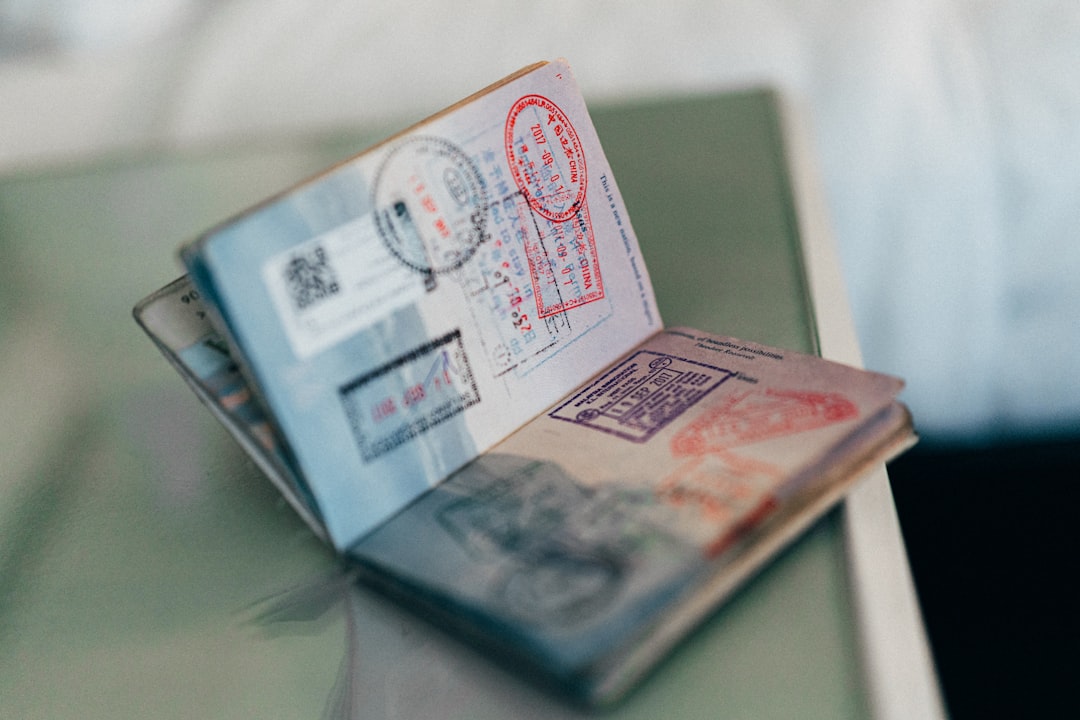 Photo by Kit (formerly ConvertKit) on Unsplash
The Core Change: What Actually Happened on January 1, 2026
On January 1, 2026, President Trump’s expanded travel ban went into full effect. According to the official Congressional record, “Nationals of listed countries who are outside the United States on January 1, 2026, and do not have a valid visa are subject to the suspension.”
This is not a rumor or a proposed policy. It is active. US embassies and consulates in the affected countries stopped processing new visa applications on that date. If you are a national of a listed country and you are currently outside the US without a valid visa stamped in your passport, you cannot enter the United States for any reason—tourism, business, study, or family visits.
The White House proclamation states the restrictions are necessary “to garner cooperation from foreign governments.” In plain language: the US is using entry as leverage to demand changes in how those countries share security data, handle deportations, and manage travel documents.
Full List of Affected Countries
The ban now covers 20 countries plus the Palestinian Authority. These are divided into two tiers based on the severity of restrictions.
| Tier | Countries | Restriction Level |
|---|---|---|
| Tier 1 (Full Suspension) | Afghanistan, Cuba, Iran, Libya, North Korea, Somalia, Syria, Venezuela, Yemen | No new visas of any kind. Existing valid visas may still be honored but are subject to review. |
| Tier 2 (Partial Suspension) | Belarus, Eritrea, Haiti, Laos, Myanmar, Pakistan, Russia, South Sudan, Sudan, Tajikistan, Turkmenistan | No new immigrant visas. Nonimmigrant visas (tourist, business, student) may be allowed on a case-by-case basis but processing is severely limited. |
| Special Designation | Palestinian Authority | No new visa issuance. Existing visas under review. |
Important nuance: If you already have a valid US visa in your passport—even if you are a national of a Tier 1 country—you may still travel. The ban applies to new visa issuance. However, border officers at US ports of entry have additional authority to deny entry if they suspect fraud or security concerns. Do not assume your visa guarantees admission.
Who Is Affected Most
Three groups of travelers are feeling this the hardest.
Group 1: Family members of US citizens. If you are a US citizen trying to bring your parent, sibling, or adult child from a banned country to the US, you are stuck. No new immigrant visas are being processed. The only exception is for spouses and minor children of US citizens, and even those cases face extreme delays.
Group 2: Students and workers. If you were accepted to a US university or received a job offer from a US company, but you are a national of Afghanistan, Iran, or Syria, you cannot get a visa. Universities are offering remote enrollment options, but that is cold comfort if you planned to move your family.
Group 3: Business travelers from Tier 2 countries. If you are a Pakistani or Russian executive who needs to attend meetings in New York, you might get a B-1 business visa, but approval rates have dropped below 15% since January. Plan for a minimum 6-month wait and a high likelihood of denial.
What You Should Do Right Now
If you are a national of an affected country and you are inside the US: Do not leave. If you leave the country after January 1, 2026, and your visa has expired, you will not be allowed back in. Consult an immigration attorney before any international travel.
If you are outside the US and have a valid visa: Travel immediately if you need to. Visas can be revoked at any time. The US State Department has already canceled several hundred visas from Tier 1 countries without warning.
If you are a US citizen planning to visit a banned country: You can still travel to those countries. The ban only restricts entry into the US. However, check your own visa requirements for the destination country—some, like Russia and Iran, have reciprocal restrictions on American travelers.
 Photo by JESHOOTS.COM on Unsplash
Exceptions and Loopholes (They Are Narrow)
The ban includes a few exceptions, but they are tightly worded.
- Lawful permanent residents (green card holders) are not affected. You can still enter the US.
- Diplomats and UN officials are exempt.
- Asylees and refugees who have already been approved are not affected, but new refugee admissions from these countries have been paused.
- Dual nationals are affected if you used the banned country’s passport to apply for the visa. If you hold a passport from a non-banned country and a banned country, you must use the non-banned passport for all US travel. This is a common mistake—do not show your banned-country passport at the border.
There is no waiver for medical emergencies, family reunification, or business necessity. Do not count on humanitarian parole; approval rates are below 5%.
How This Compares to Previous Bans
The original travel ban in 2017 covered 7 countries. The 2020 expansion added a few more. The 2026 version is the largest in US history, covering nearly 450 million people.
The key difference is the inclusion of Russia and Pakistan—two countries with significant numbers of business and student travelers. In 2025, over 60,000 Pakistani nationals received US visas. In 2026, that number is projected to be under 5,000.
FAQ: Real Questions from Travelers
Q: I am a student from Pakistan with a valid F-1 visa issued in 2024. Can I still enter the US? Yes, if your visa is still valid and your SEVIS record is active. However, expect additional questioning at the port of entry. Carry your university acceptance letter, proof of enrollment, and evidence of ties to Pakistan. Do not travel if your visa expires before your return date.
Q: My spouse is from Cuba and we are married. Can they get a green card now? Immediate relatives of US citizens (spouses and unmarried children under 21) are technically exempt from the ban, but processing has slowed dramatically. As of May 2026, the average wait time for an immigrant visa interview at the US Embassy in Havana is 18 months. Consider filing for a provisional waiver or consulting an attorney about alternative routes.
Q: I am a dual citizen of Canada and Iran. Which passport should I use? Use your Canadian passport to apply for ESTA or a visa. Do not mention your Iranian citizenship unless directly asked. US Customs and Border Protection has access to global travel records, so lying is not advised, but you are not required to volunteer information about secondary citizenships.
Q: Can I apply for a tourist visa from a third country? No. US embassies in other countries will not process visa applications from nationals of banned countries unless you are a legal resident of that third country with a valid residency permit. Showing up in Dubai or London to apply will result in rejection.
Q: Is there any chance the ban will be lifted soon? Legal challenges are ongoing. The American Civil Liberties Union and several immigrant rights groups filed lawsuits in January 2026. As of May 2026, no court has issued an injunction. The earliest possible ruling is late 2026, but appeals could drag into 2027. Do not plan your life around a court decision.
Practical Steps for Affected Travelers
Step 1: Verify your visa status. Check the visa expiration date on the physical sticker in your passport. Do not rely on I-94 records or email confirmations. If your visa is expired and you are outside the US, you cannot get a new one.
Step 2: Consider alternative destinations. If your goal was to visit North America, Canada and Mexico have not implemented similar bans for most nationalities. Canada requires a visa for many of the same countries, but processing times are shorter (8-12 weeks versus indefinite).
Step 3: Talk to your university or employer. Many US universities are offering deferrals or remote options for affected students. Employers may transfer you to a Canadian or European office. Do not assume your offer is lost—ask for alternatives.
Step 4: Consult a lawyer before any travel. If you are inside the US, a single trip outside could strand you for years. Immigration attorneys charge $200–$500 per hour, but one consultation can save you from a catastrophic mistake.
The Bottom Line
The 2026 expanded travel ban is not a temporary inconvenience. It is a structural change in US immigration policy. If you are from one of the affected countries, your ability to visit, study, work, or live in the United States has been severely limited—potentially for years.
For US citizens reading this: your travel to those countries is still possible, but reciprocal restrictions may apply. Check the State Department’s travel advisories before booking.
For everyone else: update your plans, consult a professional, and do not assume exceptions will apply to you. The US government is enforcing this ban strictly.
This article is for informational purposes only and does not constitute legal advice. Immigration laws change rapidly. Verify all details with the US Department of State or a licensed immigration attorney before making travel decisions.
Affiliate Disclosure: Some links in this article are affiliate links. If you purchase a product or service through these links, Light Trip Notes may earn a small commission at no extra cost to you. We only recommend services and products we have personally vetted.
Last updated: 2026-05-15