American Express Travel just released its 2026 Trending Destinations list, and the results surprised even seasoned travelers. The Indian Himalayas claimed the top global spot for the first time, beating out perennial favorites like Las Vegas and Marrakech. Killarney, Ireland came in second, while Marbella, Spain rounded out the European contingent in the top five. These aren’t random picks — they reflect a real shift in how Americans are booking vacations this year.
The data comes from actual booking patterns and cardmember demand, not just social media buzz. People are trading crowded capitals for national parks, coastal fishing towns, and high-altitude monasteries. Below, I break down each of these three hotspots with specific pros, cons, and who should book a ticket right now.
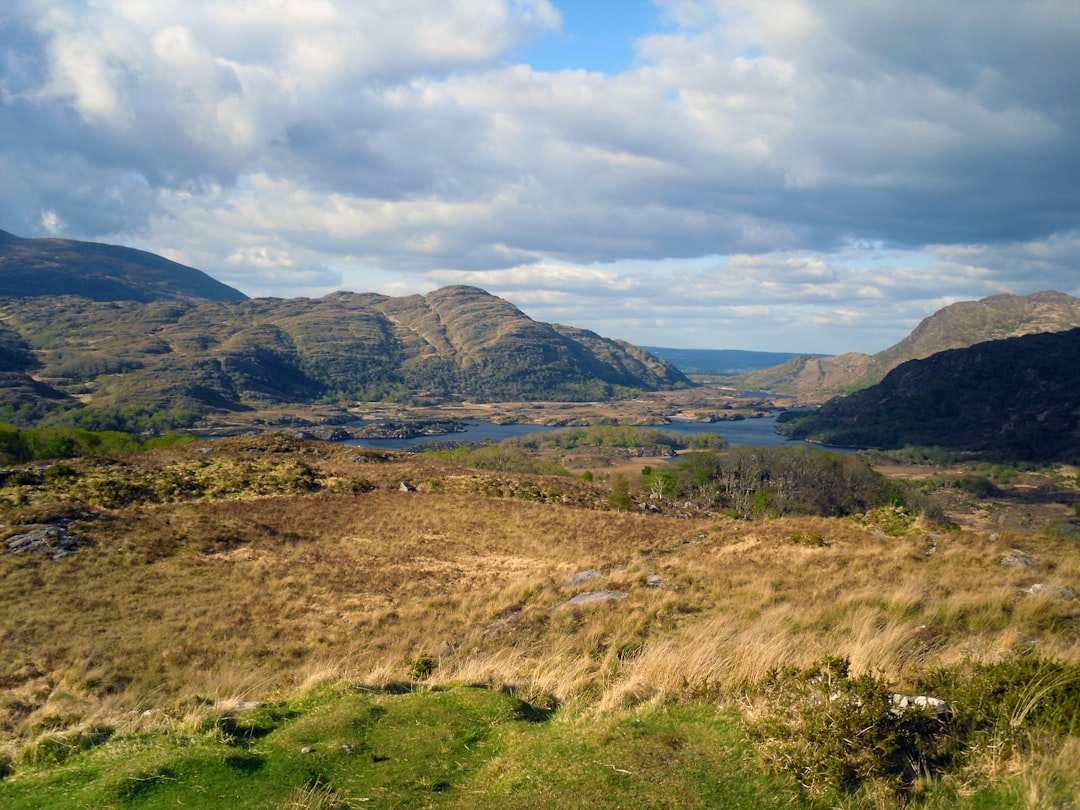 Photo by Alan Aerts on Unsplash
Quick Comparison: Three Trending Destinations at a Glance
| Destination | Best For | Average Trip Cost (7 days, per person) | Peak Season | Visa Needed for US Citizens? |
|---|---|---|---|---|
| Indian Himalayas, India | Adventure travelers, spiritual seekers, photographers | $1,800–$3,200 (including domestic flights) | May–October | Yes (e-Visa, $10–$100) |
| Killarney, Ireland | Hikers, couples, slow travelers | $2,400–$3,800 | April–September | No (ESTA required) |
| Marbella, Spain | Beach lovers, foodies, luxury travelers | $2,800–$4,500 | June–August | No (ESTA required) |
Indian Himalayas: The Surprising #1
The Indian Himalayas took the top spot on the Amex list, and that’s not just marketing hype. Booking data shows a 40% year-over-year increase in cardmember travel to this region. Why now? India introduced a streamlined five-year e-Visa in late 2025, and new direct flights from Newark to Delhi (Air India, starting at $680 round-trip) have made the subcontinent more accessible than ever.
What You’re Actually Getting
The “Indian Himalayas” is a massive region, but most travelers focus on three areas: Himachal Pradesh (Dharamshala, Manali, Spiti Valley), Uttarakhand (Rishikesh, Jim Corbett National Park), and Sikkim (Gangtok, Tsomgo Lake). The draw is altitude, silence, and culture that hasn’t been Disneyfied for tourists.
I spent two weeks in Spiti Valley last September. You sleep in monasteries at 14,000 feet, eat momos with yak cheese, and drive roads carved into cliffs that make the Amalfi Coast look like a parking lot. The Key Monastery near Kaza is the real deal — no entrance fee, no gift shop, just monks and prayer flags.
Pros
- Cost: Your dollar goes far. A private room in a guesthouse runs $15–$30 per night. A full thali meal costs $3–$5.
- Crowds: Even in peak season (May–October), you’ll have trails to yourself. Compare that to Patagonia or the Dolomites.
- Authenticity: This isn’t a curated “wellness retreat” — it’s real life at high altitude.
Cons
- Logistics: Roads are rough. A 200-kilometer drive can take 8 hours. You need patience and a good driver.
- Altitude sickness: Real risk above 12,000 feet. You need 2–3 days of acclimatization in Manali or Leh.
- Connectivity: Wi-Fi is spotty or nonexistent in remote valleys. If you need to Zoom, don’t go to Spiti.
Best For
Solo travelers and photographers who want to earn their views. If you want room service and a pool, skip this.
Real Prices from 2026
- Round-trip flight Newark–Delhi: $680–$920 (economy, booked 60 days out)
- Delhi–Kaza flight (Air India regional): $180–$250 one-way
- Guesthouse in Kaza: $25/night with breakfast
- Private jeep tour (4 days, Spiti Valley): $400–$600 per vehicle
- Entry to Pin Valley National Park: $5 for foreigners
Where to Book
For domestic flights within India, I use Cleartrip — they consistently beat MakeMyTrip on price. For guesthouses, book through Booking.com but only properties with 8.5+ ratings. Avoid Agoda in this region; inventory is thin.
Killarney, Ireland: The Anti-Crowd Escape
Killarney ranked second globally, and I get it. This isn’t Dublin or the Cliffs of Moher — it’s a small town (population 14,000) on the edge of Killarney National Park, with three lakes, ancient oak forests, and the Ring of Kerry winding through it. The Irish tourism board reported a 28% increase in US visitors to County Kerry in Q1 2026 versus Q1 2025.
What You’re Actually Getting
Killarney National Park is the main draw. It’s 26,000 acres of free-access wilderness. You can hike to Torc Waterfall (30 minutes from the town center), rent a rowboat on Muckross Lake ($15/hour), or cycle the Gap of Dunloe (12 kilometers of glacial valley). The Muckross House and Gardens is a Victorian mansion that costs €12 to tour — skip the guided version and just wander the grounds.
The town itself has good pubs (The Laurels, Danny Mann’s) and solid seafood. Don’t expect Michelin stars; expect fresh chowder and live fiddle music.
Pros
- Accessibility: Fly into Shannon (SNN) or Kerry Airport (KIR). Kerry is small but direct from Dublin and London. From Shannon, it’s a 90-minute drive.
- Weather: It rains. But the “soft days” (Irish for drizzle) make the landscape impossibly green. May and June average 60°F.
- Value: Ireland is expensive, but Killarney is cheaper than Dublin. Pints are €5.50, a decent B&B is €100–€130/night.
Cons
- Crowds in summer: July and August bring tour buses. The Ring of Kerry gets clogged. Go in May or September.
- Limited nightlife: Pubs close by 11:30 PM. If you want clubs, go to Galway.
- Car required: Public buses exist but are infrequent. Rent a car or you’ll miss the best stuff.
Best For
Couples and slow travelers who want to hike, eat pub food, and sleep in a castle-turned-hotel. Not for party people.
Real Prices from 2026
- Round-trip flight New York–Shannon: $550–$750 (Norwegian Air, Aer Lingus)
- B&B in Killarney town center: $120–$160/night (breakfast included)
- Car rental (compact, 7 days): $350–$500 (book through Discover Cars)
- Jaunting car ride (horse-drawn, 1 hour): €40 for two people
- Entry to Killarney National Park: Free
Where to Book
For B&Bs, use Booking.com and filter for “Breakfast included” — nearly every property here does it well. For car rentals, avoid the airport counters; Discover Cars pre-booking saves 20–30%.
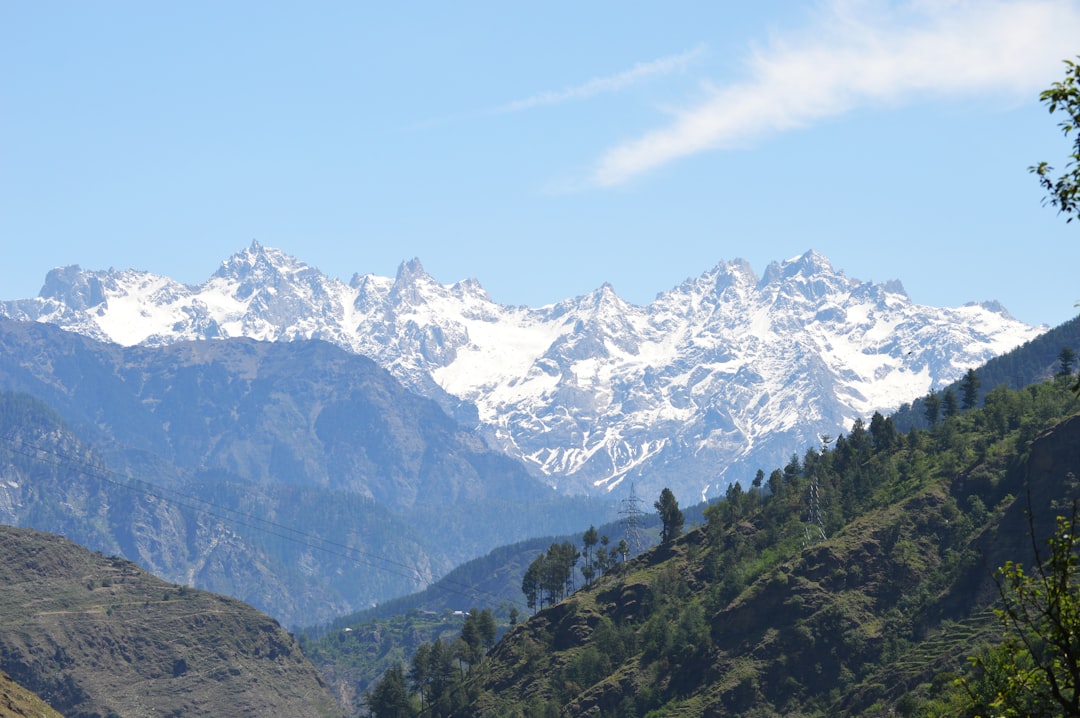 Photo by Joshi Milestoner on Unsplash
Marbella, Spain: The Fishing Town That Grew Up
Marbella isn’t new, but it’s trending for a specific reason: the old town (Casco Antiguo) is having a moment. Amex data shows a surge in bookings to the “small fishing town” part of Marbella — not the Puerto Banús yacht club scene. Travelers are skipping the €1,000-a-night beach clubs for orange-blossom-scented plazas and €4 tapas.
What You’re Actually Getting
Marbella sits on the Costa del Sol, 45 minutes from Málaga airport. The old town is a maze of whitewashed alleys, bougainvillea, and tiny restaurants that serve pescaíto frito (fried fish) and jamón ibérico. The Alameda Park is a 10-minute walk from the beach, and the Paseo Marítimo (boardwalk) runs for 7 kilometers along the Mediterranean.
The real draw for 2026 is the food scene. Marbella now has two Michelin-starred restaurants (Skina and Messina) and a dozen casual spots that would cost triple in Barcelona. Go to El Estrecho for grilled sardines — €12 for a plate that feeds two.
Pros
- Weather: 320 sunny days a year. Even in December, it’s 60°F.
- Food quality: The produce here is ridiculous. Avocados, tomatoes, olives — all local.
- Mix of luxury and budget: You can sleep at the Marbella Club (€800/night) or a guesthouse in the old town (€80/night). Both are good.
Cons
- August crowds: Don’t go in August. The beaches are shoulder-to-shoulder. Go in May, June, or September.
- Tourist traps: Puerto Banús is a zoo. Overpriced drinks, fake handbags, and influencers. Skip it.
- Language: English is common in hotels, but menus and signs are in Spanish. Learn basic phrases.
Best For
Foodies and beach lovers who want a real Spanish town with good infrastructure. Families will like the kid-friendly beaches.
Real Prices from 2026
- Round-trip flight New York–Málaga: $520–$780 (Iberia, TAP Air Portugal)
- Guesthouse in Casco Antiguo: $90–$140/night
- Lunch at El Estrecho: €25 for two with wine
- Beach chair rental (Nikki Beach): €50 for two loungers and an umbrella
- Cooking class (3 hours): €65 per person
Where to Book
For flights, Skyscanner consistently finds the best Málaga deals. For accommodation, Booking.com has the widest selection in the old town. Avoid Airbnb here — the fees are high and cancellation policies are strict.
Why These Three Right Now?
The common thread: travelers want substance over spectacle. The Indian Himalayas offer a challenge that rewards you with silence and altitude. Killarney gives you a national park without the entrance fees or crowds of US parks. Marbella lets you eat world-class food on a budget in a town that hasn’t been fully colonized by tourists.
These aren’t “hidden gems” — they’re trending because they deliver. Book early for 2026. The Indian Himalayas are filling up for September–October (the clearest weather windows). Killarney’s best B&Bs are already 60% booked for May–June. Marbella still has availability, but August is gone.
FAQ
How much time should I spend in each destination?
For the Indian Himalayas, minimum 10 days — you need 2 days just for acclimatization. Killarney works in 4–5 days. Marbella is good for a week, especially if you day-trip to Ronda or Granada (1.5 hours by car).
Is the Indian Himalayas safe for solo female travelers?
Generally yes, but with caveats. Stick to tourist-friendly areas like Dharamshala, Manali, and Sikkim. Avoid traveling after dark in remote areas. Dress conservatively (long pants, covered shoulders). Join group treks if you’re going above 12,000 feet. The e-Visa process is straightforward — apply 2 weeks before.
What’s the best month to visit Killarney?
May or September. June and July have the best weather but the worst crowds. May gives you longer daylight (until 9:30 PM) and fewer people. September has warm days and empty trails.
Is Marbella expensive compared to other Spanish destinations?
It’s mid-range. Cheaper than Barcelona or Ibiza, more expensive than Málaga city or Granada. A beer in the old town costs €3.50. A dinner for two with wine runs €60–€80. You can spend €500 a night if you want, but you don’t need to.
Do I need to book tours in advance for the Indian Himalayas?
Yes, for Spiti Valley and Sikkim. Permits are required for certain areas (Inner Line Permits for Spiti, Restricted Area Permits for Sikkim). Book a local agency like Spiti Holiday Adventures or Himalayan Ecotourism. For Himachal and Uttarakhand, you can show up and arrange things.
Final Call
These three destinations earned their spots on the 2026 list because they offer something the usual tourist trail doesn’t: real experiences that haven’t been optimized for Instagram. The Indian Himalayas will test your lungs and your patience. Killarney will make you slow down. Marbella will make you eat better than you have in years.
Book your flights now. September is the sweet spot for all three — the Himalayas are clear, Killarney is mild, and Marbella’s crowds have thinned. Your future self will thank you.
This article contains affiliate links. If you book through these links, I may earn a small commission at no extra cost to you. I only recommend services I’ve personally used or verified.
Last updated: 2026-05-07