You don’t need another generic list of European capitals melting under August sun. You need specific, actionable intel on the three destinations that booking data and travel editors (American Express Travel®, Travel + Leisure) are flagging as the breakout stars of 2026: Marrakech, Okinawa, and Panama. They are wildly different, but they share one thing—they offer the cultural depth and sensory payoff you crave without the suffocating crowds of Paris or Rome this August. I’ve broken down exactly who should go where, what it costs, and the honest downsides you won’t see in glossy Instagram captions.
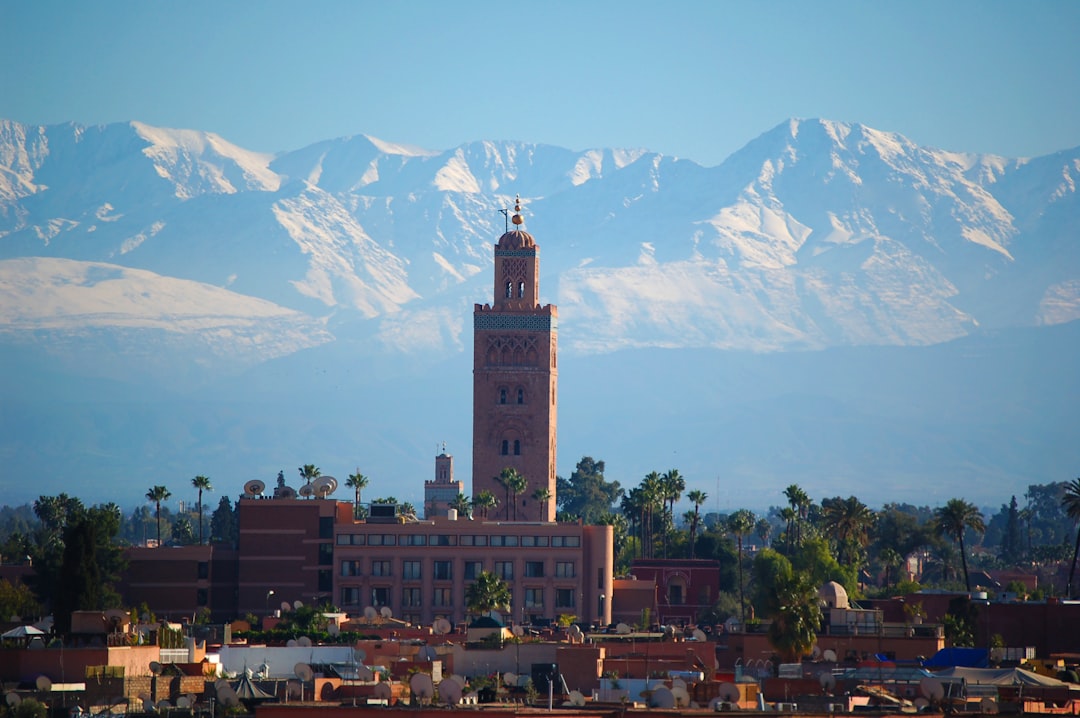 Photo by Paul Macallan on Unsplash
Here is the short version: Marrakech is your pick for sensory overload, warm-but-not-oppressive weather (highs around 95°F but dry), and high-end riads that are still a steal compared to Western Europe. Okinawa is your pick for laid-back island life, world-class snorkeling, and a fascinating fusion of Japanese and Ryukyuan culture—just be ready for typhoon season. Panama is your pick for a two-ocean adventure, rainforest meets skyline, and the best value for your US dollar right now. Below, I break down each destination with real numbers and honest trade-offs.
The 2026 Trend Report: Why These Three (And Not Others)
Why is this the summer of these specific spots? It’s not random. Travel data points to a few converging factors. First, the “revenge travel” boom has shifted; travelers are now prioritizing shoulder seasons and alternative hubs to dodge the historic crowds in Barcelona and Bali. Second, the US dollar remains strong against the Moroccan Dirham (MAD) and the Panamanian Balboa (PAB), making luxury accessible. Third, new flight routes have opened up.
For Okinawa, the Japanese government has aggressively promoted the islands as a premium wellness destination, and the 2026 Naha Marathon and island-hopping ferry expansions make it easier than ever. The American Express Travel® 2026 report specifically highlights these three for “better weather and lighter crowds in April and May and early September through October,” but August is the sweet spot for festivals and ocean swimming. You are getting in right before the September rush.
| Destination | Best For | August Avg. High Temp | Daily Budget (Mid-Range) | Crowd Level | Key Vibe |
|---|---|---|---|---|---|
| Marrakech, Morocco | Culture, Souks, Luxury Riads | 95°F (35°C) | $100 - $150 | Medium | Exotic & Bustling |
| Okinawa, Japan | Beaches, Snorkeling, Relaxation | 88°F (31°C) | $120 - $180 | Low-Medium | Tropical & Zen |
| Panama City + Boquete | Adventure, Nature, City | 85°F (29°C) | $80 - $120 | Low | Wild & Modern |
1. Marrakech, Morocco: The Golden City Without the Peak Heat
Let’s get the obvious out of the way: August in Marrakech is hot. But here is the nuance the “Travel + Leisure 50 Best Places” lists missed—it’s a dry heat. Sitting in a shaded courtyard with mint tea at 95°F is infinitely more comfortable than 85°F with 90% humidity in NYC. The real trick is the schedule. You wake early, explore the souks until noon, nap through the afternoon heat (like the locals do), and then hit the rooftop terraces for dinner as the sun sets over the Koutoubia Mosque.
Why it’s trending in 2026: The city has undergone a massive hospitality renaissance. New boutique riads have opened in the Medina, and the culinary scene is being recognized globally. Plus, the “5 Best Destinations To Book In August 2026” report specifically notes “warm days without peak summer heat” as a bonus for late August travel—you are catching the tail end of the season before the perfect September weather arrives.
The Pros:
- Unreal Value for Luxury: You can book a riad with a plunge pool and a private terrace for $200-$300/night. The equivalent in Santorini or Amalfi would cost you triple.
- Foodie Heaven: Rooftop dinner at Nomad (a rooftop restaurant) or Le Jardin will cost you around $25-$35 for a multi-course meal with wine. The flavors are intense and fresh.
- Effortless Day Trips: The Agafay Desert is only 40 minutes away. You can book a “golden desert evening” with a camel ride and dinner under the stars for roughly $60 per person.
The Cons:
- The Heat is Real: If you have zero tolerance for high temps, skip it. You will be confined to air-conditioned spaces between 1 PM and 5 PM.
- Aggressive Vendors: The souks are a battlefield. You will be hassled to buy. It’s part of the game, but it can be exhausting for introverts.
- Pool Dependency: You need a hotel with a good pool. Don’t cheap out on a riad without one; you’ll regret it.
Who It’s Best For: Couples celebrating anniversaries, photographers chasing light and shadow, and shoppers looking for leather goods and ceramics.
August 2026 Specifics: Look for the Marrakech Popular Arts Festival (usually held in July, but spillover events happen in early August). Flights from JFK to Marrakech (CMN) are averaging $650-$750 round trip on Royal Air Maroc. Check deals on [AFFILIATE_LINK_BOOKING] for package rates.
2. Okinawa, Japan: The Zen Alternative to Tokyo’s Humidity
If you want Japan but hate the idea of being shoulder-to-shoulder in Shibuya, Okinawa is your answer. This is the “Hawaii of Japan”—a chain of subtropical islands with white-sand beaches, limestone cliffs, and a distinct culture that feels different from the mainland. The August crowds are mostly domestic Japanese families, which means the service is impeccable and the infrastructure is flawless, but the international tourist influx hasn’t ruined the vibe yet.
Why it’s trending in 2026: The Travel + Leisure editors highlighted it for “quiet coastal paradises.” New direct flights from Taipei and Seoul have opened up, but more importantly, the island’s focus on ikigai (a sense of purpose) and longevity is drawing wellness travelers. The 2026 season also sees the opening of the new Jungle and Sea Museum near Onna Village, a high-tech aquarium focusing on the region’s unique biodiversity.
The Pros:
- World-Class Snorkeling: The waters around the Kerama Islands are crystal clear. You can take a ferry from Naha and be snorkeling over coral reefs within 45 minutes. Visibility routinely hits 100 feet.
- The Food is a Revelation: Okinawan cuisine is distinct. You must try Goya Champuru (bitter melon stir-fry) and Okinawa Soba. A massive bowl of soba with pork belly costs about $8.
- Unique History: Visit the Churaumi Aquarium (one of the largest in the world) and the reconstructed Shuri Castle (reopened after the 2019 fire). It offers a deep dive into the Ryukyu Kingdom history you won’t find elsewhere.
The Cons:
- Typhoon Season: August is peak typhoon season. You might get 2-3 days of rain. You need travel insurance and a flexible itinerary.
- Not a Party Island: If you want nightclubs, this isn’t it. Things close early outside of Naha’s main drag.
- Accessibility: It’s a bit of a journey. From the US, you’ll fly into Naha (OKA) via Tokyo or Osaka. Add 4-5 hours of flight time to your total journey.
Who It’s Best For: Families with kids (the aquarium is a hit), scuba divers, and travelers seeking a slow, restorative pace.
August 2026 Specifics: The Naha Great Tug-of-War festival happens in October, but August hosts the Okinawa Zento Eisa Festival—a massive drumming and dance parade in Koza. It’s electric. Budget around $120-$150/night for a beachfront hotel in Onna. Book rental cars early; they sell out. Use [AFFILIATE_LINK_RENTAL_CARS] to secure a vehicle before you land.
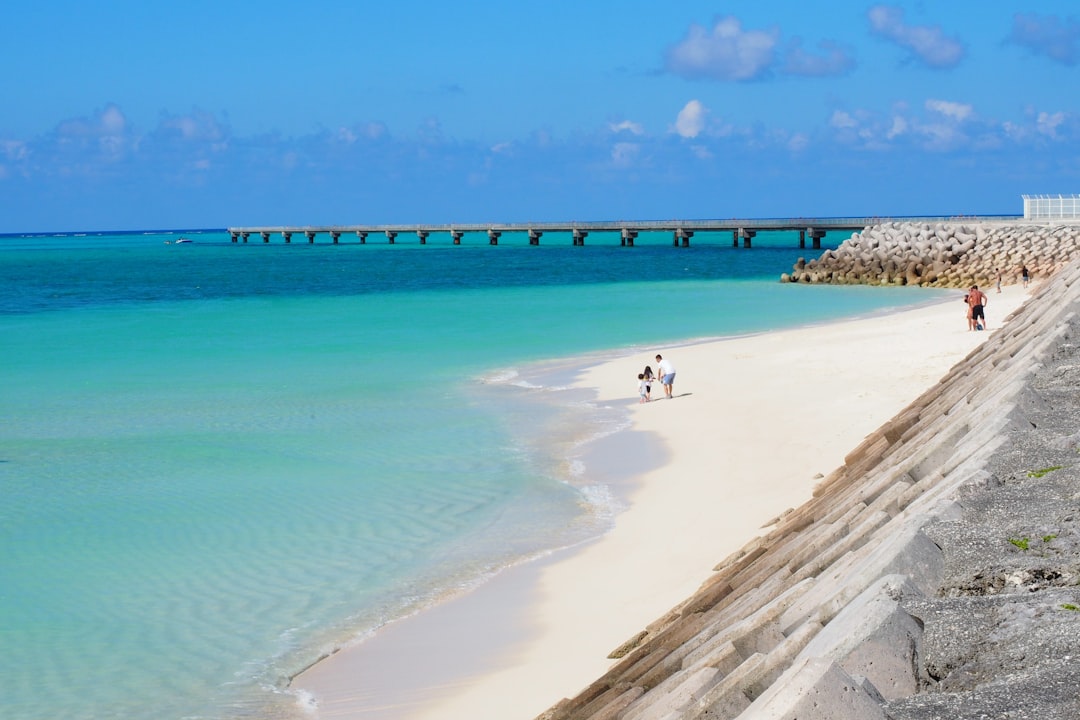 Photo by Michael Bai on Unsplash
3. Panama: Two Oceans, One Tiny Country, Zero Crowds
Panama is the wildcard on this list. It’s not just about the canal. It’s about the fact that you can have a coffee in a modern skyscraper in Panama City at 8 AM, take a 30-minute flight to Bocas del Toro, and be in a jungle bungalow by noon. The dollar is the official currency (they call it the Balboa, but it’s pegged 1:1 to USD), which means your money goes incredibly far. The American Express report lists Panama as a top pick for 2026 due to the expansion of the Panama City Metro Line 3 and the new eco-lodges opening in the Darién Gap’s edge—making adventure accessible without a massive expedition budget.
The Pros:
- The Dual Coast Factor: You can literally see the Pacific sunrise and the Caribbean sunset in the same day (if you take the short flight). The biodiversity is staggering.
- Casco Viejo is a Gem: The old city is a UNESCO World Heritage site with rooftop bars and ruins. It’s safer and cleaner than many comparable historic districts in South America, and it’s walkable.
- Adventure Variety: You can do the Pipeline Trail hike in Soberanía National Park in the morning (see toucans and sloths) and hit the Panama Canal Miraflores Locks in the afternoon. The visitor center is world-class.
The Cons:
- Humidity: It’s a jungle climate. Expect sticky, sweaty weather. You will shower twice a day.
- Transportation Gaps: While Panama City is modern, getting to remote beaches requires either expensive domestic flights ($100-$150 one-way) or long, bumpy bus rides. Budget for flights.
- Mosquitoes: You need DEET. Dengue is a risk in rural areas, so cover up at dusk.
Who It’s Best For: Adventure travelers, bird watchers, and history buffs who want a mix of city and nature without the price tag of Costa Rica (which is 30-40% more expensive).
August 2026 Specifics: August is the “veranillo” (little summer)—a brief dry spell within the rainy season. It’s actually one of the best times to visit because the rivers are full (great for whitewater rafting on the Chiriquí Viejo River) but the rain is usually just a heavy afternoon shower. A luxury hotel in Casco Viejo (like the American Trade Hotel) runs about $180-$220/night. A meal at a top cevicheria costs $15.
The Verdict: Which One Should You Book?
If you want the most bang for your buck and love food: Marrakech. The luxury quotient is unmatched for the price.
If you want safety, cleanliness, and nature with a side of Japanese efficiency: Okinawa. It is the most relaxing of the three.
If you want diverse adventure and don’t mind humidity: Panama. It offers the widest variety of experiences per square mile.
My honest advice: Skip Panama if you only have 5 days (the travel times eat into your trip). Skip Okinawa if you hate the idea of a typhoon delay. Skip Marrakech if you can’t handle heat or pushy vendors.
FAQ: Your Burning Questions Answered
1. Is August really a good time to visit Marrakech? Yes, if you strategize. The American Express 2026 report notes that late August into September offers “better weather and lighter crowds” than the peak of June/July. The secret is to book a riad with a pool and plan outdoor activities for 7 AM - 11 AM. The evenings are glorious for rooftop dining. Just avoid the midday sun.
2. Do I need a visa for these destinations as a US citizen? No. The US citizens get visa-free entry for tourism for 90 days in Morocco, 90 days in Japan (Okinawa), and 90 days in Panama. Just ensure your passport is valid for at least 6 months. For Morocco, you’ll get a stamp on arrival. It’s seamless.
3. How much should I budget for a 7-day trip? Excluding international flights, here are my estimates for a comfortable mid-range trip:
- Marrakech: $800 - $1,000 (Riads are cheap, food is cheap, but you’ll spend on leather goods).
- Okinawa: $1,200 - $1,500 (Domestic flights within Japan, rental car, and slightly higher food prices).
- Panama: $900 - $1,100 (Internal flights are the main cost, but food and lodging are very affordable).
4. Is it safe to drink the water or eat street food? Marrakech: Drink bottled water only. Street food is delicious but stick to cooked items (like grilled skewers) and avoid raw salads unless at a high-end restaurant. Okinawa: Tap water is safe, but most people drink bottled. Street food is incredibly safe and high quality. Panama: In Panama City, tap water is technically potable, but most expats drink filtered. In rural areas, stick to bottled. Eat ceviche from busy, reputable places only.
5. How do I get around? Marrakech: Use the petit taxis (they are cheap, but agree on a price or insist on the meter). Walking is best in the Medina. Okinawa: Rent a car. It is non-negotiable for exploring the northern beaches. The monorail in Naha is good, but you need wheels for the island. Panama: Use Uber in Panama City (it’s cheap and safe). For inter-city, take Copa Airlines domestic flights or book a private shuttle for the Boquete route.
Note: Prices are estimates based on August 2026 data and can fluctuate based on exchange rates and booking time.
Affiliate Disclosure: This article contains affiliate links. If you make a booking or purchase through these links, we may earn a small commission at no extra cost to you. This helps keep LightTripNotes free. We only recommend services and products we have personally vetted or thoroughly researched.
Last updated: 2026-08-29