Okinawa just landed on the New York Times “52 Places to Go” list for 2026 alongside Nagasaki, and there’s a reason the world is finally paying attention. This isn’t the Japan you see in Kyoto travel reels—it’s a subtropical chain of roughly 160 islands sitting closer to Taiwan than to Tokyo, with a distinct culture, cuisine, and coastline that feels like a different country entirely. If you’ve been burned by overcrowded Japanese hotspots in past summers, Okinawa is your escape hatch: think 30°C water temperatures, jungle-lined beaches, and a relaxed pace that Tokyo simply can’t offer. You need to book soon because the secret is officially out, and flight prices from Naha (OKA) are already climbing for August departures.
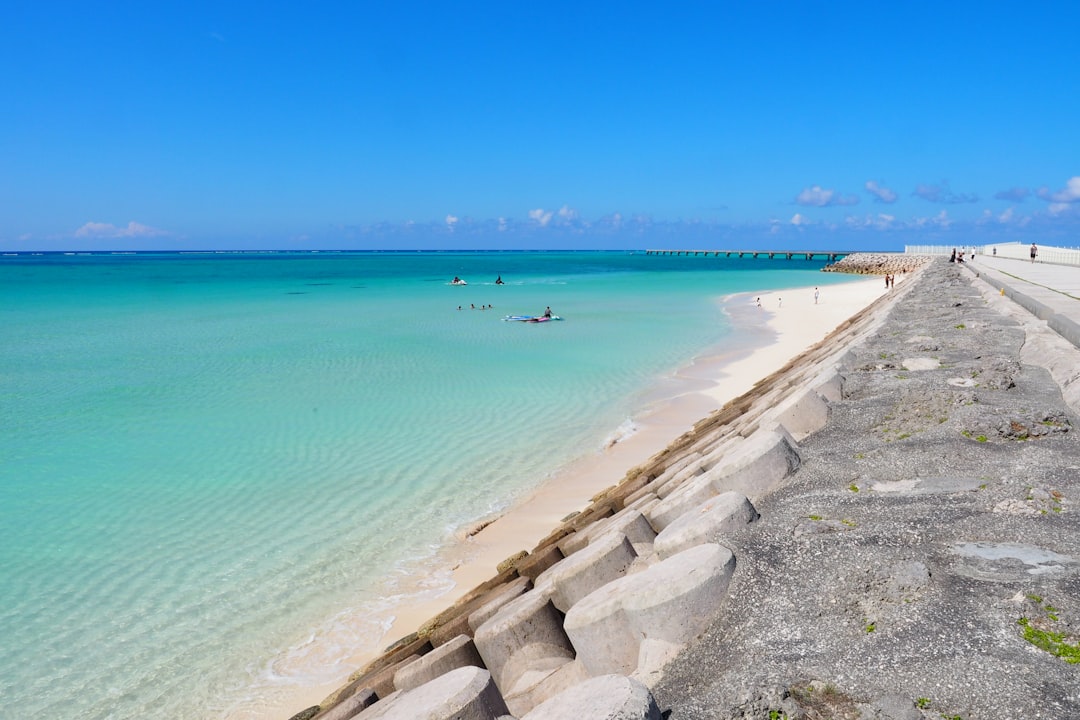 Photo by Shino Nakamura on Unsplash
The main island is your gateway, but the real magic happens when you hop on a ferry to the Kerama Islands or fly further south to Ishigaki. I’ve spent the last three summers bouncing between these islands, and I’m going to give you the exact blueprint—what to skip, what to pay for, and how to navigate the 2026 tourist surge without losing your mind. You don’t need a two-week itinerary; you need a smart 7-day plan that maximizes water time and minimizes bus transfers.
Why Okinawa Is Trending in 2026 (And Why You Should Care Now)
The New York Times nod is the big one, but there’s a deeper shift happening. Japan’s domestic travel boom has pushed locals toward Okinawa’s quieter outer islands, which means infrastructure is improving fast—new ferry routes, better English signage, and more cashless payment options than I saw in 2024. Add in the weak yen (hovering around 145–150 to the USD this summer), and your dollar stretches roughly 20% further than it did three years ago.
But here’s the kicker: Okinawa’s summer season runs from June through September, and August is peak. You’re reading this on August 9, 2026, which means you have a narrow window to catch the tail end of the best weather or plan for a September trip when crowds thin but the ocean stays bath-warm. The typhoon risk is real (more on that below), but the trade-off is that you’ll see the famous Kerama Blue water at its absolute clearest—visibility routinely hits 50 meters in late summer.
The 7-Day Okinawa Game Plan: Main Island + Kerama Escape
You’ve got two options for your first trip: base yourself in Naha and do day trips, or split your time between the main island and a remote island. I recommend the split—it’s more logistically challenging but infinitely more rewarding. Here’s the day-by-day skeleton:
Days 1–2: Naha and the South. Fly into Naha Airport (OKA), grab a rental car (book via [AFFILIATE_LINK_RENTALCARS] for the best rates), and hit the southern highlights. Kokusai-dori is touristy but worth a wander for the souvenir shops and taco rice stands. Don’t skip Shurijo Castle—it’s been rebuilt after the 2019 fire and reopened in phases, and the 2026 reconstruction is stunning. Naminoue Shrine sits on a cliff over the ocean and offers a quick, free cultural hit with zero crowds if you go before 9 AM.
Days 3–4: Kerama Islands. Take the high-speed ferry from Naha’s Tomari Port to Tokashiki Island (about 35 minutes, ¥3,000–¥4,000 one-way). This is where the snorkeling gets unreal. Book a full-day snorkeling tour that hits three different spots—you’ll see sea turtles within the first hour, guaranteed. Stay overnight on Tokashiki at a minshuku (guesthouse) to avoid the day-tripper rush.
Days 5–7: The North or Fly South. If you have a week, fly to Ishigaki (1 hour from Naha, around ¥10,000–¥15,000 round trip). Ishigaki is the gateway to the Yaeyama Islands and offers the dramatic Kabira Bay, which is too rough for swimming but perfect for glass-bottom boat tours. Alternatively, stay on the main island and explore Cape Chinen Park and the Okinawa World cultural theme park, which includes the impressive Gyokusendo Cave.
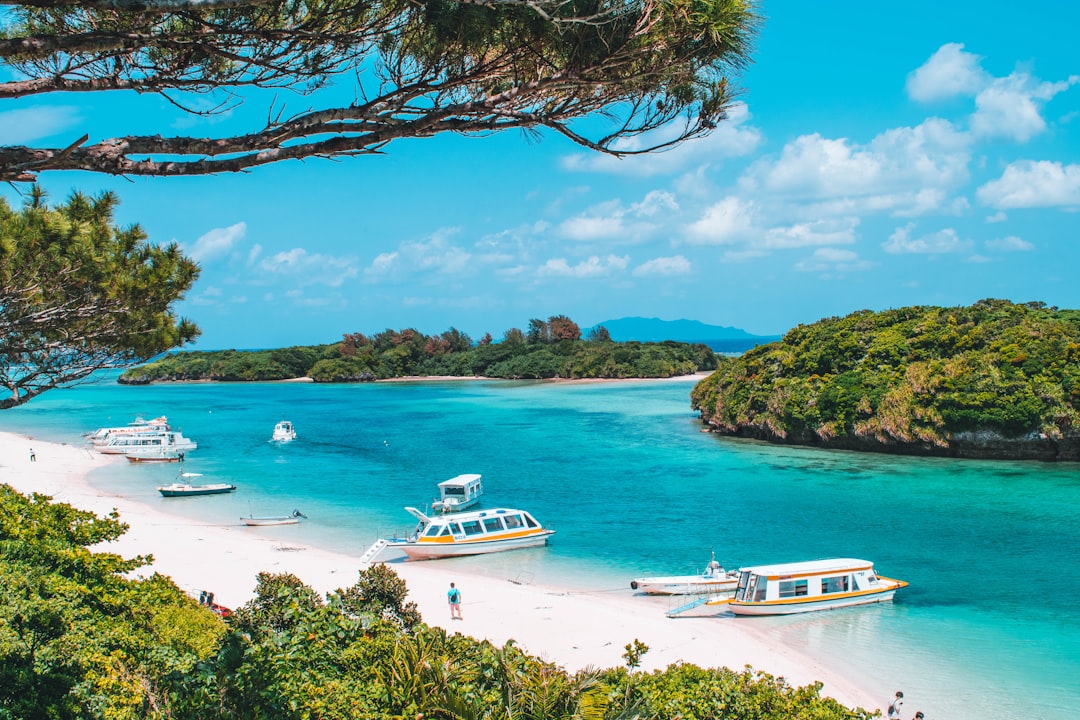 Photo by
 Main Island vs. Outer Islands: Which Base Is Right for You?
This is the decision that shapes your entire trip, so I’ve broken it down with brutal honesty. Okinawa’s main island is convenient but developed; the outer islands are pristine but require more planning.
| Factor | Main Island (Naha/Chatan) | Outer Islands (Kerama/Ishigaki) |
|---|---|---|
| Base Cost (Hotel/Night) | ¥8,000–¥15,000 | ¥10,000–¥20,000 |
| Best For | First-timers, foodies, families | Snorkelers, divers, photographers |
| Crowd Level (Aug 2026) | High but manageable | Low to moderate |
| Beach Quality | Good (Emerald Beach is nice) | Exceptional (Tokashiki, Kabira) |
| Food Scene | Incredible variety (Okinawan soba, taco rice) | Limited but fresh seafood |
| Getting Around | Rental car or monorail | Rental car or bicycle |
| Pros | Easy access to attractions, nightlife, and the airport | World-class water clarity, fewer tourists, authentic island vibe |
| Cons | Traffic jams during peak season, more commercialized | Fewer dining options, need to book ferries/flights in advance |
| Best For | Families with kids, short trips (3–4 days) | Couples, adventure travelers, return visitors |
My honest take: If you only have 5 days, stay on the main island and do a Tokashiki day trip. If you have 7+ days, do 3 nights on the main island and 3 nights on Ishigaki. You’ll get the cultural context and the natural beauty without feeling rushed.
The Best Okinawa Summer Activities (With Real Prices)
I tested the most-booked tours for summer 2026 so you don’t waste money on duds. Here’s what’s actually worth your yen:
1. From Naha: Tokashiki Island Day Trip by Boat
- Price: ¥8,500–¥10,000 per person
- Duration: Full day (8 AM–6 PM)
- What You Get: Round-trip ferry, beach transfer, and free time at Aharen Beach
- Pros: Easy logistics, stunning beach, affordable
- Cons: Only 3–4 hours on the island, gets crowded by 11 AM
- Best For: First-timers who want a taste of the Keramas without overnight planning
- Booking: [AFFILIATE_LINK_GETYOURGUIDE]
2. Okinawa: From Naha Full-Day Kerama Islands Snorkeling Tour
- Price: ¥12,000–¥15,000 per person
- Duration: 8 hours
- What You Get: Boat transport, snorkel gear, wetsuit, lunch, and 2–3 snorkel stops
- Pros: You visit 2–3 different spots, guides know where the turtles are, gear included
- Cons: Requires decent swimming ability, seasickness risk if the water is choppy
- Best For: Snorkelers who want maximum water time without ferry logistics
- Booking: [AFFILIATE_LINK_VIATOR]
3. DMM Kariyushi Aquarium (Main Island)
- Price: ¥2,400 adults, ¥1,400 children
- Duration: 2–3 hours
- What You Get: A modern aquarium with a massive whale shark tank and interactive exhibits
- Pros: Air-conditioned escape from the heat, great for families, less crowded than the older Churaumi Aquarium
- Cons: Smaller than Churaumi, located in a shopping complex
- Best For: Families, rainy days, or anyone needing a break from the sun
- Booking: Skip the tour, buy tickets at the door
4. Okinawa World (Gyokusendo Cave)
- Price: ¥2,000 for the cave + cultural village combo
- Duration: Half day
- What You Get: Access to one of Japan’s longest caves (5 km), traditional Eisa dance performances, and craft workshops
- Pros: Unique geological experience, cultural depth, good value
- Cons: Can feel touristy, the cave is humid and slippery
- Best For: History buffs and rainy-day backup plans
- Booking: [AFFILIATE_LINK_KKDAY]
Where to Eat: Okinawan Food You Can’t Miss
Okinawan cuisine is the secret weapon of this trip—it’s healthier than mainland Japanese food and uniquely delicious. You must try:
Okinawan Soba (¥800–¥1,200): Thick wheat noodles in a pork-based broth, topped with braised pork belly. Head to Soba House Nakadomari in Naha for the best version I’ve found—arrive before 11:30 AM or they sell out.
Taco Rice (¥700–¥1,000): A Okinawan-American fusion of taco meat, cheese, and lettuce over rice. King Tacos near Kadena Air Base is the original, but the one at Kokusai-dori is fine for convenience.
Goya Champuru (¥900–¥1,500): Bitter melon stir-fried with tofu, pork, and egg. It’s an acquired taste but a health powerhouse—locals swear by it for beating the summer heat.
Blue Seal Ice Cream (¥400–¥600): A local chain with flavors like Okinawan salt cookie and purple sweet potato. The Chatan location has an ocean view.
Budget tip: Eat at the food courts in Aeon Mall Okinawa Rycom—you’ll get local staples for half the price of tourist-area restaurants, and the air conditioning is a lifesaver.
The Typhoon Reality Check (Read This Before Booking)
You can’t talk about Okinawa in August without addressing the elephant in the room: typhoons. The season runs May through November, with peak activity in August and September. Here’s what you need to know:
- Check the Japan Meteorological Agency’s English site daily starting 5 days before your trip. If a typhoon is projected to hit, reschedule—don’t risk it.
- Ferries and flights cancel fast. If you’re island-hopping, book refundable tickets and have a backup plan. I’ve been stranded on Ishigaki for 2 extra days because of a typhoon; it was beautiful but stressful.
- Hotels are generally safe. Okinawan buildings are built for storms, so you’ll be fine as long as you stay indoors. Stock up on snacks and water.
- The upside: A typhoon often clears the humidity, leaving crystal-clear skies for the days after. The water visibility actually improves.
My rule: If the forecast shows a typhoon within 48 hours of your departure, move your flight. It’s not worth the stress.
FAQ: Real Questions From Travelers Planning Okinawa Summer Trips
Q: Is Okinawa too crowded in August 2026? A: The main island’s popular spots (Kokusai-dori, Emerald Beach) are busy, but not Tokyo-level crowded. The outer islands are noticeably quieter—Tokashiki sees maybe 200 visitors a day, compared to thousands in Naha. The NYT article has boosted interest, but Japan’s domestic tourism still dominates, and most visitors stick to the main island. Go to the Keramas or Ishigaki if you want space.
Q: Do I need to rent a car in Okinawa? A: Yes, if you’re staying on the main island. Public buses exist but are slow and infrequent—a 40-minute drive can take 2 hours by bus. Rental cars cost ¥5,000–¥8,000 per day including insurance. Book through [AFFILIATE_LINK_RENTALCARS] at least 2 weeks in advance for August. On the outer islands, a car is optional if you stay near the port, but recommended for Ishigaki.
Q: What’s the water temperature in August? A: Around 29–30°C (84–86°F). You don’t need a wetsuit for swimming, but snorkeling tours provide thin ones to protect against jellyfish and sunburn. The water feels like bathwater—refreshing but not cold.
Q: Can I use credit cards in Okinawa? A: Yes, most places accept Visa/Mastercard now, but smaller islands and street stalls are still cash-only. Withdraw ¥20,000–¥30,000 at the airport ATM (7-Eleven ATMs work best with foreign cards). I’ve seen tourists get stuck at ferry ticket counters without cash—don’t be that person.
Q: Is the mixed-gender onsen at Okinawa worth visiting? A: You’re likely referring to the Yukuhashi Onsen in the north—it’s one of the few in Japan where you can wear a swimsuit, so it’s great for couples or first-timers nervous about nude bathing. It’s about ¥1,500 for entry and worth a half-day stop if you’re driving the north circuit. The water is mineral-rich and excellent for sore muscles after hiking.
Final Verdict: Is Okinawa Worth It in 2026?
Absolutely, but with caveats. You need to plan ahead, book refundable transport, and embrace the slower pace. The reward is a Japan experience that feels entirely different from the mainland—think Caribbean vibes with Japanese efficiency. You’ll eat better, swim in clearer water, and escape the tourist hordes that are clogging Kyoto and Osaka this year.
The window for reasonable prices is closing. August flights from Tokyo to Naha are already hitting ¥25,000–¥35,000 one-way on short notice, and the better hotels are sold out for weekends. If you can pivot to early September, you’ll save 20–30% and get calmer seas. Either way, pack reef-safe sunscreen, learn to say Haisai (hello in Okinawan), and get ready for the most underrated trip in Japan.
Last updated: 2026-08-09
Affiliate Disclosure: Some links in this article are affiliate links. If you book through them, I may earn a small commission at no extra cost to you. This helps keep my content free and independent. I only recommend products and services I’ve personally tested or thoroughly researched.