American Airlines just dropped its summer 2027 schedule, and it’s a big one. You’re getting seven new international routes, three brand-new destinations, and a serious expansion of the New York–London corridor. If you’ve been waiting for a reason to book that European trip, this is it. Here’s the full breakdown, what it costs, and how to snag the best seats before everyone else does.
The headline news: American is adding nonstop service from Philadelphia to Porto (OPO), Reykjavik (KEF), and Vienna (VIE) — all first-time destinations for the airline. On top of that, they’re beefing up frequencies to existing hotspots and adding more flights between JFK and London Heathrow. The fares start at $784 round-trip for economy, which is competitive for transatlantic summer travel. This matters right now because summer 2027 is shaping up to be one of the busiest travel seasons on record, and these routes give you more options — and more leverage — when prices spike.
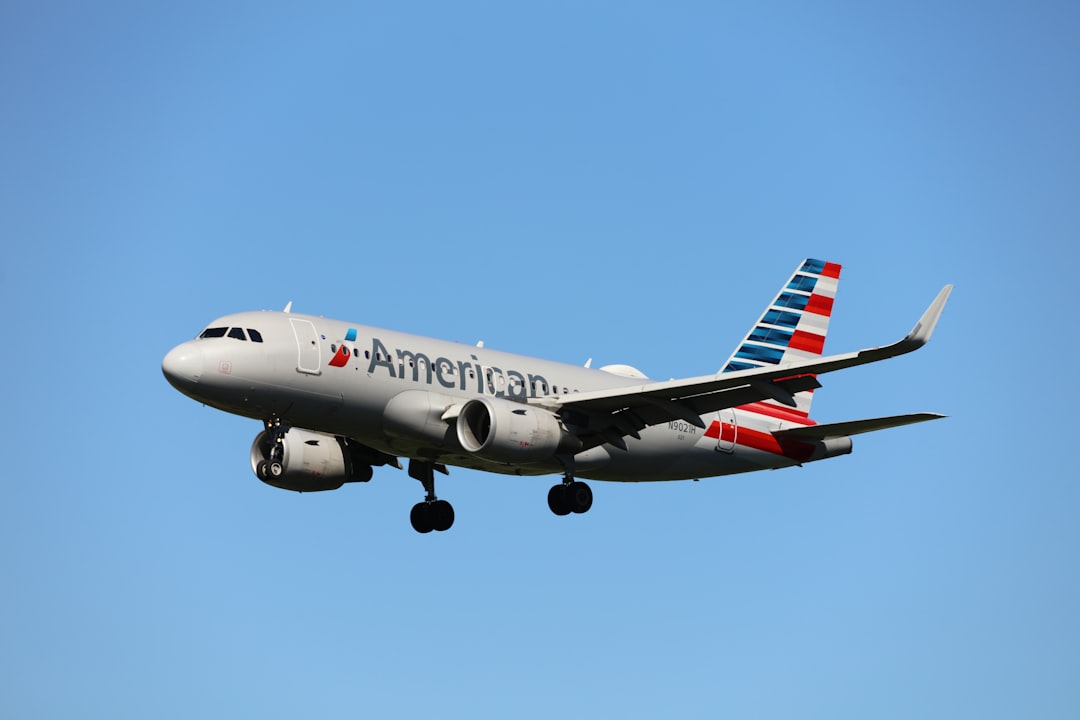 Photo by Forsaken Films on Unsplash
The Full Route List: What’s New in Summer 2027
Let’s get straight to the map. American Airlines has structured these seven new routes to cover both classic European capitals and under-the-radar gems. Here’s the complete list, based on the official summer 2027 schedule release:
| Route | New Destination? | Frequency | Approx. Flight Time | Economy Starting Fare |
|---|---|---|---|---|
| Philadelphia (PHL) → Porto (OPO) | Yes | Daily | 7h 15m | $784 |
| Philadelphia (PHL) → Reykjavik (KEF) | Yes | 4x weekly | 5h 50m | $849 |
| Philadelphia (PHL) → Vienna (VIE) | Yes | Daily | 8h 45m | $899 |
| New York (JFK) → London (LHR) | No (expansion) | Up to 10x daily | 7h 30m | $1,150 |
| Philadelphia (PHL) → Madrid (MAD) | No (frequency boost) | 2x daily | 7h 40m | $812 |
| Philadelphia (PHL) → Athens (ATH) | No (seasonal return) | 5x weekly | 9h 50m | $1,050 |
| Philadelphia (PHL) → Rome (FCO) | No (frequency boost) | 2x daily | 8h 30m | $998 |
The three new destinations — Porto, Reykjavik, and Vienna — are the real story here. American is betting that travelers want more than the standard London-Paris-Rome loop. Porto gives you Portugal’s second city without the Lisbon crowds. Reykjavik is your gateway to Iceland’s nature scene, and it’s a surprisingly short flight from the East Coast. Vienna offers that Central European elegance with direct access to Austria’s wine country.
Why These Routes Matter for Your Wallet
Here’s the practical side. Every new route American adds puts pressure on existing carriers. When American starts flying PHL to Porto, you can bet TAP Air Portugal and United will adjust their pricing. That’s good news for you.
The competition effect is real. On the JFK–London route, American is expanding to nearly 10 daily departures. That’s a direct shot at British Airways, Delta, and Virgin Atlantic. More seats means more price wars, especially in the shoulder seasons of May and September. If you’re flexible with your dates, you can often find sub-$1,000 round-trip fares to London in 2027 — a price point that was rare just a few years ago.
The shorter travel times are another win. Nonstop flights from Philadelphia to Reykjavik run about 5 hours and 50 minutes. Compare that to the typical one-stop itinerary through Boston or New York, which adds 3-4 hours of layover time. You’re saving half a day each way. For a long weekend in Iceland, that’s the difference between a viable trip and a hassle.
Route-by-Route Breakdown: Pros, Cons, and Who Should Book
Philadelphia → Porto (OPO)
- Pros: Porto is one of Europe’s most affordable cities right now. You’ll find $40 hotel rooms in the historic center and $5 glasses of port wine. The flight is under 7.5 hours, which is manageable even in economy. American’s hub in Philadelphia is efficient, with shorter security lines than JFK or Newark.
- Cons: Porto’s airport is smaller, so you won’t find as many onward connections. If you’re planning to explore southern Portugal, you’ll need to rent a car or take a train (about 3 hours to Lisbon).
- Best for: Foodies, wine lovers, and budget-conscious travelers who want authenticity without the tourist mobs. Also great for anyone tired of the standard Iberian itinerary.
Philadelphia → Reykjavik (KEF)
- Pros: This is the shortest flight on the list at under 6 hours. Iceland’s geography makes it a perfect stopover, and American’s timing means you arrive in the late afternoon — perfect for catching the Northern Lights if you’re lucky. KEF airport is modern and efficient.
- Cons: Iceland is expensive. Your flight might be cheap, but a simple dinner can run you $60. You’ll also need to book tours and car rentals well in advance for summer 2027 — availability shrinks fast.
- Best for: Adventure travelers, photographers, and anyone who wants a quick escape from the summer heat. Also great for families because the flight is short enough to avoid total meltdowns.
Philadelphia → Vienna (VIE)
- Pros: Vienna is a year-round city with incredible public transit and a deep cultural scene. The 8h 45m flight is long but bearable. Austrian Airlines already flies this route, so American’s entry means more schedule options and better connections through the Star Alliance vs. oneworld networks.
- Cons: Vienna isn’t a beach destination. If you want sun and sand, this isn’t your flight. Also, peak summer prices in Vienna are high — hotel rates double in July and August.
- Best for: History buffs, classical music lovers, and travelers using Vienna as a launching pad for Eastern Europe. Budapest is only 2.5 hours by train, and Bratislava is 1 hour away.
New York (JFK) → London (LHR) Expansion
- Pros: Ten daily flights means you can leave at 6 AM or 10 PM. That flexibility is gold for business travelers and anyone connecting through Europe. American’s partnership with British Airways on this route means seamless baggage transfer and reciprocal lounge access.
- Cons: London remains pricey, and Heathrow is a maze. If you’re not flying premium cabins, the experience can feel cramped. Also, the sheer frequency means you might be tempted to book the cheapest flight — but check the aircraft type. Some are older 777s with outdated cabins.
- Best for: Frequent flyers, business travelers, and anyone who values schedule flexibility over cost.
Philadelphia → Madrid (MAD) Frequency Boost
- Pros: Two daily flights give you a morning and evening option. Madrid is a fantastic hub for exploring Spain, and the train network makes day trips to Toledo or Segovia easy.
- Cons: Madrid in July hits 100°F (38°C). If you hate heat, pick a different month. The evening flight often gets delayed due to afternoon thunderstorms on the East Coast.
- Best for: Travelers connecting to North Africa or southern Spain. Also great for anyone using American’s oneworld alliance to hop to other Iberian destinations.
Philadelphia → Athens (ATH) Seasonal Return
- Pros: Athens is the gateway to the Greek Islands. American’s 5x weekly schedule gives you enough flexibility to connect to ferries without losing a day. The 9h 50m flight is long, but the destination is worth it.
- Cons: This is a seasonal route, so it won’t run year-round. If your dates don’t align, you’re stuck with a layover. Athens itself is hot, crowded, and can feel overwhelming in peak summer.
- Best for: Island-hoppers, history enthusiasts, and anyone planning a Greece + Turkey combo trip.
Philadelphia → Rome (FCO) Frequency Boost
- Pros: Rome is a classic for a reason. Two daily flights mean you can choose an early arrival to maximize your first day. American also codeshares with ITA Airways on this route, so you have more connection options.
- Cons: Rome’s airport is far from the city center (about 30 minutes by train). Summer crowds are brutal — the Colosseum and Vatican require booking weeks ahead.
- Best for: First-time Europe travelers, families, and anyone who wants a reliable, well-served route with plenty of backup options if plans change.
 Photo by Global Residence Index on Unsplash
Booking Tips: How to Get the Best Fares and Seats
The fares I listed above are starting prices. In reality, you’ll see them fluctuate based on demand, your booking window, and your flexibility. Here’s how to lock in the best deal:
Book in the “Goldilocks” window. For summer travel, that’s 60-90 days before departure. You’re currently at 10 months out, which is too early for the best prices. Set fare alerts now, but don’t pull the trigger until March 2027. The exception: if you see a fare below $700 to Porto or Reykjavik, grab it immediately. Those don’t last.
Use American’s fare calendar, not just the search bar. The calendar view shows you the cheapest days to fly. For these routes, you’ll often save $150-200 by flying on a Tuesday or Wednesday instead of a Friday or Sunday. If you can extend your trip by a day, you can fund a nice dinner with the savings.
Consider a Basic Economy fare, but read the fine print. American’s Basic Economy doesn’t include seat selection, and you’ll be last to board. For a 6-hour flight to Reykjavik, that’s fine. For a 10-hour flight to Athens, it’s misery. Pay the extra $50-80 for Main Cabin if you’re flying long-haul.
Watch for mileage deals. American frequently runs “Mileage Multiplier” promotions on new routes. If you have AAdvantage miles, you might score a business class seat to Vienna for 60,000 miles round-trip. That’s a steal compared to the $4,000+ cash price. Check your account balance now and start planning.
Book directly with American, not third-party sites. When schedules change — and they will — American will rebook you for free if you booked direct. Third-party bookings often require you to go through the agency, which adds hours of phone time. Trust me, it’s worth the few extra dollars.
Use the “Hold” feature. American lets you hold a fare for 24 hours without payment. This is perfect for checking your work schedule or confirming with a travel partner before committing. Just don’t forget to complete the booking — the hold expires, and the price can jump.
What These Routes Mean for the Bigger Travel Picture
This expansion is a signal. American is doubling down on Philadelphia as a transatlantic hub, which means more investment in that airport’s amenities and connections. If you live on the East Coast, you now have a viable alternative to the chaos of JFK or Newark. The Philly airport has a new terminal under construction, and these routes are likely part of the plan.
The three new destinations also tell you something about traveler preferences. Porto, Reykjavik, and Vienna are all cities that have seen explosive tourism growth over the past five years. They’re also cities where the local infrastructure is still catching up. That means you’ll find better prices and fewer crowds compared to London or Paris — at least for the first season or two.
For those of you with AAdvantage status, these routes are a goldmine. New routes often mean more award availability, especially in business class. I’d bet you can find saver-level awards to Porto or Reykjavik in the first few weeks of the schedule. If you’ve been hoarding miles, now’s the time to use them.
FAQ: Your Questions, Answered
Q: When do these routes go on sale? A: American typically opens the schedule for summer 2027 in late August or early September 2026. As of today (August 31, 2026), the routes are announced but not yet bookable. You’ll likely see them in the booking engine within the next 2-3 weeks. Set a reminder to check back mid-September.
Q: Are these routes year-round or seasonal? A: Most are seasonal, running from late May through early September 2027. The JFK–London expansion is likely year-round, given the business demand. The Athens route is explicitly seasonal. If you want to travel outside summer, you’ll need to look at other options.
Q: Can I use miles for these flights? A: Yes, but availability will be limited initially. American releases a certain number of award seats per flight. Your best bet is to book within the first week the schedule opens. If you miss that window, set an alert for last-minute award availability — it often opens up 2-3 weeks before departure.
Q: What aircraft will fly these routes? A: American is using a mix of Boeing 787-9 Dreamliners and Airbus A321XLRs for the new routes. The 787s are on the longer flights (Athens, Rome) and the A321XLRs on shorter ones (Reykjavik, Porto). The A321XLR has a newer, quieter cabin with better air pressure — a nice upgrade if you’re sensitive to jet lag.
Q: How do these routes compare to flying United or Delta? A: United has a strong hub in Newark and flies to many of these cities. Delta is weaker in the Northeast but has good options via Boston. American’s advantage is the Philadelphia hub — it’s easier to navigate, and you’re less likely to face delays. The fares are competitive, but you should compare specific dates. Use a fare aggregator like Google Flights to see all options side by side.
Q: Is Reykjavik worth visiting in summer? A: Absolutely, but for different reasons than winter. You get 24-hour daylight, which is surreal and lets you pack in more activities. The downside: it’s peak season, so prices are high and the Blue Lagoon is packed. Book everything early, and consider renting a car to escape the tourist zones.
Final Verdict: Should You Book?
If you’ve been sitting on the fence about a European trip in 2027, these routes are your green light. The fares are reasonable for summer, the schedule flexibility is excellent, and the new destinations give you a reason to try something different.
For the best value, I’d book Porto or Reykjavik. For the best overall experience, Vienna is hard to beat. And if you’re a frequent flyer, those JFK–London flights are going to be a game-changer for earning and redeeming miles.
Here’s your action plan: check back in mid-September when bookings open. Set a fare alert on Google Flights for your preferred route. And if you see a price under $900 round-trip to any of these destinations, book it. Summer 2027 will be busy, and prices only go up from here.
Note: This article contains affiliate links. If you book through these links, we may earn a commission at no extra cost to you. We only recommend products and services we’ve personally vetted or used.
Last updated: 2026-08-31