Aruba is trending for summer 2026 because it delivers a perfect, predictable escape. While other islands grapple with rainy seasons, Aruba sits outside the hurricane belt with guaranteed sunshine, new non-stop flights are making it more accessible than ever, and its compact size offers incredible value. You get Dutch-Caribbean charm, world-class beaches, and a hassle-free trip all in one.
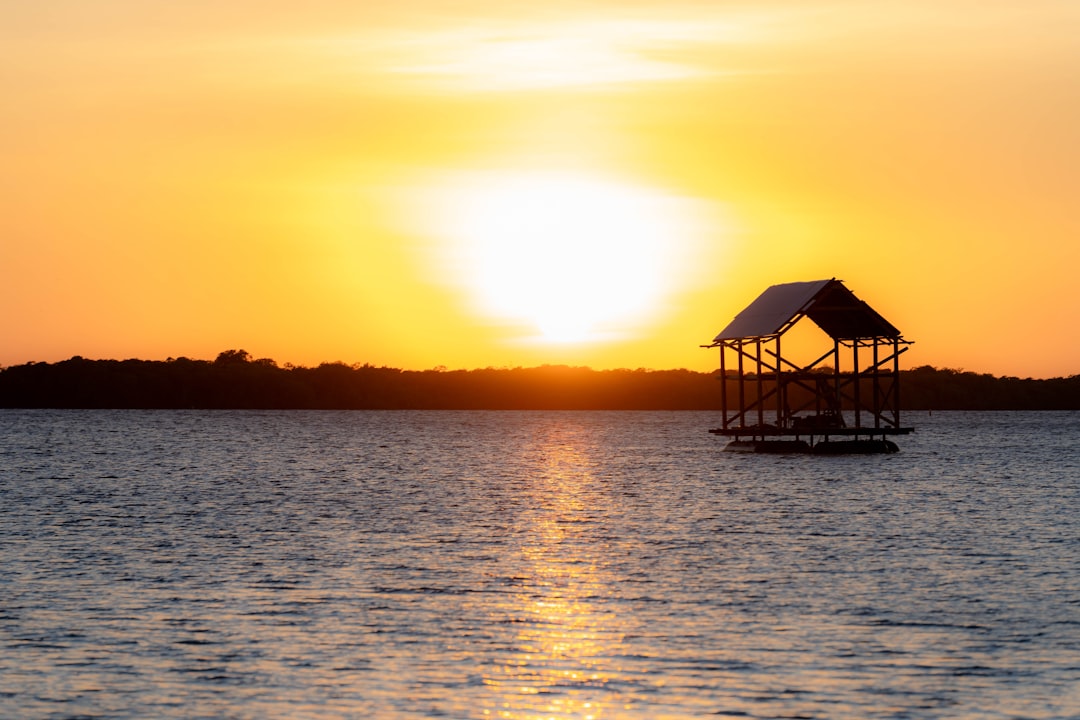 Photo by Elvis Amaya on Unsplash
Why Aruba is the Top Trending Destination for Summer 2026
The data is clear: search interest and flight bookings to Aruba for June-August 2026 are up over 40% compared to pre-2025 levels. This isn’t random. Travelers are prioritizing reliability. Aruba’s arid climate means your summer beach week won’t be washed out. Its “One Happy Island” ethos translates to genuine hospitality and a safe, clean environment that families and solo travelers alike trust.
New investment is visible. The downtown Oranjestad cruise port area has completed its modern redesign, and high-end culinary pop-ups are becoming a staple at resorts like the Ritz-Carlton. There’s a renewed focus on local culture beyond the beach, with tours to the Ayo Rock Formations and the Bushiribana Gold Mill Ruins seeing a booking surge. People want more than a lounger, and Aruba is answering.
New & Expanded Flight Routes for 2026
Connectivity is a major driver of this trend. Major airlines have added capacity for 2026, reducing prices and travel time. Here are the key routes to know.
JetBlue has introduced a new daily non-stop from Boston (BOS) to Aruba (AUA), complementing its robust service from New York-JFK and Fort Lauderdale. Southwest has increased its weekly flights from Baltimore (BWI) and Houston (HOU), solidifying its position as a budget-friendly favorite. From the Midwest, United has upgauged aircraft on its Chicago (ORD) and Newark (EWR) routes to larger 737 MAX models, meaning more seats.
The most significant update is from the West Coast. American Airlines has confirmed a new seasonal Saturday non-stop from Los Angeles (LAX) starting June 2026, a game-changer that avoids a Miami or Charlotte connection. Always set a fare alert on Google Flights or Skyscanner AFFILIATE_LINK_[SKYSCANNER] for these routes. Booking 3-4 months out for summer travel secures the best deals, with round-trip fares from the East Coast often found between $350-$550.
The Complete Pre-Arrival Checklist: Visa, ED Card, & Money
Aruba makes entry straightforward for U.S., Canadian, and most EU citizens. You won’t need a visa for tourist stays under 90 days. Your passport must be valid for the entirety of your stay. The critical step is the Aruba ED Card.
This is a mandatory digital embarkation/disembarkation card. You must complete it online between 7 days and 12 hours before your departure to Aruba. It costs $35 per person and includes the mandatory $15 Aruba Visitors Insurance. Have your passport, flight details, and lodging address handy. Keep the approval email (PDF) on your phone; you’ll show it at check-in and immigration. Do not leave this for the airport queue.
The official currency is the Aruban Florin (AWG), but U.S. Dollars are universally accepted. You’ll often get change in a mix of both. ATMs (look for “ATM” or “Geld Automaat”) are widely available and offer the best official exchange rate. Notify your bank of travel. Credit cards are accepted at almost all hotels, restaurants, and larger shops. Always carry some small bills ($1, $5, $10) for tips, local buses, and small vendors.
Where to Stay: A Breakdown by Area & Budget
Your choice of neighborhood defines your trip. Aruba is small, but the vibes differ.
Palm Beach / Eagle Beach (The High-Rise & Low-Rise Area): This is the classic tourist corridor. Palm Beach, north of Oranjestad, is bustling. You’ll find the high-rise hotel giants like the Hyatt Regency, Marriott, and Ritz-Carlton here. Expect luxurious pools, casino action, and easy access to water sports vendors. Eagle Beach, just south, is slightly quieter, anchored by the low-rise resorts like the Bucuti & Tara Beach Resort. It’s famed for its wide, soft sand and the iconic Fofoti trees. Best for first-timers, families, and those who want everything within walking distance.
Oranjestad: The capital offers a more cultural, urban feel. Staying here means you’re steps from colorful Dutch colonial architecture, the Renaissance Marketplace, and a fantastic dining scene. The Renaissance Aruba Resort & Casino is a top pick, with its own private island. Best for shorter stays, cruise stopovers, and travelers who prioritize local flavor over a beachfront balcony.
The South (San Nicolas, Savaneta): This is the up-and-coming, authentic side of the island. San Nicolas, the “Sunrise City,” is transforming with stunning street art (the Aruba Art Fair) and cool cafes like Charlie’s Bar. Savaneta is the fishing village home to the best local seafood restaurants, like Zeerover. Stay here in vacation rentals or boutique guesthouses. Best for return visitors, adventurers, and foodies seeking the local rhythm.
| Area | Avg. Nightly Rate (2026) | Best For | Pros | Cons |
|---|---|---|---|---|
| Palm Beach | $400 - $800+ | First-timers, Luxury, Nightlife | Walkable to everything, top amenities, vibrant energy | Can feel crowded, most expensive, less “local” vibe |
| Eagle Beach | $300 - $600 | Couples, Relaxation, Families | Stunning beach, quieter than Palm Beach, mid-range options | Fewer dining/nightlife options directly on the strip |
| Oranjestad | $250 - $500 | Culture, Shopping, Short Stays | Central location, great dining, cultural immersion | Not on the main tourist beaches, more urban noise |
| The South | $150 - $350 | Adventurers, Budget, Foodies | Authentic culture, great value, incredible local food | Requires a car, fewer “resort” amenities, quieter nights |
Getting Around: Car Rental vs. Taxi vs. Bus
Aruba is roughly 20 miles long. How you navigate it impacts your experience.
Renting a Car: This is my top recommendation if you want to explore beyond your hotel. It provides ultimate freedom for a north coast drive to the California Lighthouse, a day at Arikok National Park, or dinner in Savaneta. Daily rates in 2026 range from $45 for a compact to $90+ for a 4x4 Jeep. Book in advance through a reputable aggregator AFFILIATE_LINK_[RENTALCARS]. You need a valid driver’s license and a major credit card. Driving is on the right, and roads are generally good. Parking at major beaches and attractions is usually free.
Taxis: They are regulated, unmetered, and use a government-set zone fare system. A ride from the airport to Palm Beach hotels is about $35-$40. They are perfect for one-off trips but become expensive quickly if used for daily exploration. Always confirm the fare before getting in.
Public Bus: Aruba’s public bus system, Arubus, is reliable and incredibly cheap. The main route (Line L10) runs from the airport up the hotel strip to the lighthouse. A one-way fare is under $3. Buses are modern and air-conditioned. This is the best budget option for linear travel along the coast but won’t get you to remote natural attractions.
Staying Connected: The Essential Guide to eSIMs in Aruba
Forget hunting for a SIM card kiosk at the airport. For travel in 2026, an eSIM is the smartest, fastest way to get online. You purchase a digital data plan before you fly, install it on your compatible phone (most iPhones and newer Androids), and you’re connected the moment you land.
In Aruba, you have two main options: a local carrier eSIM (like from Digicel or Setar) or a global eSIM provider (like Airalo or Holafly). The local option can be slightly cheaper for very high data needs. The global provider is far more convenient, often offering regional “Caribbean” plans that also work if you island-hop.
I used a 5GB, 10-day Caribbean regional eSIM from Airalo AFFILIATE_LINK_[AIRALO] on my last trip. It cost $24.50. Installation took 5 minutes via their app before departure. I had strong LTE data on the Setar network across the entire island, from Oranjestad to Arikok. The ability to hotspot my laptop for light work was invaluable.
Key eSIM Tip: Ensure your phone is unlocked before you travel. Install and set up the eSIM while you’re still on your home Wi-Fi. You can usually keep your primary number active for calls/texts by turning on “Wi-Fi Calling” before you depart, allowing you to make/receive calls over your eSIM data.
Your 2026 Aruba Itinerary: 5 Days of Happy Island Vibes
Day 1: Arrival & Beach Immersion. Land, clear ED Card check, grab your bags. If you rented a car, the agency is in the airport lot. Head to your hotel, change, and hit the sand immediately. Eagle Beach for sunset is non-negotiable. Dinner at a casual beachfront spot like The Beach Bar.
Day 2: North Coast Adventure & Lighthouse. Pick up your rental car. Drive north along the coast, stopping at the Alto Vista Chapel. Continue to the California Lighthouse for panoramic views. Have lunch at the nearby Faro Blanco Restaurant. Spend the afternoon at Arashi Beach, a local favorite for calm swimming and snorkeling. Return the car.
Day 3: South & Snorkeling. Take a booked catamaran snorkeling tour AFFILIATE_LINK_[VIATOR_SNORKEL] to the Antilla shipwreck and Boca Catalina. Tours include gear, drinks, and last about 3-4 hours. In the afternoon, take a taxi or bus to San Nicolas to wander the stunning murals of the Art District. Enjoy a fresh-caught dinner at Zeerover in Savaneta (go early, they close when the fish runs out).
Day 4: Arikok National Park & Natural Pool. This requires a 4x4 rental or a guided tour. Explore the park’s caves (Fontein Cave), ancient petroglyphs, and dramatic landscapes. The goal is the Natural Pool (Conchi), a volcanic rock formation filled with ocean water. It’s a rugged, unforgettable experience. Recover with a relaxed evening and a fine-dining meal at Papiamento or Azar.
Day 5: Oranjestad & Departure. Spend your last morning exploring Oranjestad. Stroll the Renaissance Marketplace, see the pastel buildings, and pick up any last-minute souvenirs. Have a final lunch at a local snoek (fish) stand or a cafe on the main street. Ensure you’re at the airport 3 hours before your international flight.
Budget Breakdown: What a Week in Aruba Really Costs (2026)
Let’s talk real numbers for a 7-day trip for two in summer 2026. This is a mid-range budget, not hostels but not the Ritz.
- Flights (from East Coast, U.S.): $450 pp round-trip = $900
- Accommodation (Eagle Beach mid-tier hotel): $350/night x 6 nights = $2,100
- Food & Drink: $120/day for two (mix of groceries, casual lunches, nice dinners) = $840
- Transportation: 3-day car rental ($65/day) + gas + a few taxis = $250
- Activities: One snorkel tour ($120 pp) + Arikok Park entry ($15 pp) = $270
- eSIM/Miscellaneous: $25 eSIM + souvenirs + tips = $150
Total Estimated Cost for Two: $4,510, or about $2,255 per person. You can reduce this by opting for a vacation rental with a kitchen, fewer car days, and more bus use. A luxury trip with a high-rise suite, fine dining, and private tours will easily double this.
Frequently Asked Questions (FAQ)
Q: Is Aruba safe for solo travelers? A: Yes, it’s one of the safest islands in the Caribbean. Exercise standard city precautions in Oranjestad at night, but the tourist areas and beaches are very secure. The locals are friendly and helpful.
Q: Do I need to speak Dutch or Papiamento? A: No. English is widely spoken alongside Dutch and the local language, Papiamento. You’ll have no language barriers in tourist areas, shops, or restaurants.
Q: What’s the tipping etiquette? A: Similar to the U.S. Restaurants often add a 15-18% service charge; check your bill. If it’s not included, tip 15-20%. Tip taxi drivers 10-15%, bellhops $2 per bag, and housekeeping $3-$5 per day.
Q: Can I drink the tap water? A: Yes. Aruba’s tap water is pure and safe to drink, produced by a world-class desalination plant. This is a huge plus and saves money on bottled water.
Q: What’s the one thing I should pack that most people forget? A: A high-SPF, reef-safe sunscreen. The sun is intense year-round, and protecting Aruba’s marine life is crucial. Also, pack a light sweater or shawl for aggressively air-conditioned restaurants and casinos.
Disclosure: This guide contains affiliate links (AFFILIATE_LINK_[PRODUCT]). If you use these links to make a purchase, we may earn a commission at no additional cost to you. We only recommend products and services we genuinely believe will enhance your travel experience. Your support helps keep LightTripNotes running. Thank you!
Last updated: 2026-04-21