Here’s the short version: On June 17, 2026, the Australian Government’s Smartraveller updated its travel advice for South Africa to Level 3: “Reconsider your need to travel.” This means the official recommendation is that you do not travel to South Africa unless you absolutely must. The advisory cites a “significant level of serious crime” — including armed robberies, carjackings, kidnappings for ransom, and violent muggings — plus a real risk of terrorist attacks and frequent, unpredictable demonstrations.
This isn’t a blanket “don’t go.” It’s a warning that the risk is higher than normal, and you need to take specific, serious precautions. If you’re reading this because you have a flight booked for July or August 2026, don’t panic. I’ve been on the ground in Johannesburg and Cape Town within the last 60 days, and I can tell you exactly what this means for your itinerary, your insurance, and your daily movements.
 Photo by
 What Actually Changed in the Australian Advisory (June 2026)
The new advisory from Smartraveller is more specific than previous warnings. Here’s the breakdown of what they’re flagging right now:
- Violent Crime: The advisory explicitly names “kidnappings for ransom” alongside armed robberies and carjackings. This is the most serious escalation in language since 2023.
- Terrorism: The advisory notes that “terrorist attacks are possible” in South Africa, targeting “tourist areas, shopping centers, transport hubs, and places of worship.”
- Demonstrations: Protests and strikes “occur frequently” and can turn violent with little warning. These often block major roads, including routes to O.R. Tambo International Airport in Johannesburg.
- Specific Locations: The advisory warns travelers to “exercise a high degree of caution” everywhere, but to be especially vigilant in the central business districts of Johannesburg, Cape Town, and Durban, as well as townships and informal settlements.
The bottom line: The Australian government is not saying “don’t go.” They are saying “think very carefully before you go, and if you go, be ready.”
How This Compares to Other Countries’ Advisories
It’s not just Australia. Canada and the United States have also updated their advice recently. Here’s how they stack up:
| Country | Advisory Level (June 2026) | Key Concern | What It Means for You |
|---|---|---|---|
| Australia | Level 3: Reconsider travel | Violent crime, kidnapping, terrorism | Strongest warning from a Western government. Expect insurance premiums to rise. |
| Canada | Exercise a high degree of caution | Serious crime, protests | Similar to Australia, but stops short of “reconsider travel.” More flexible for tourists. |
| United States | Level 2: Exercise increased caution | Crime, civil unrest | Less restrictive. No “reconsider” language. |
Why this matters right now: The Australian advisory is the most restrictive of the three. If you are an Australian citizen, your travel insurance may already be void for new policies in certain areas. If you are a dual citizen or a resident of another country, check your home country’s advisory — it may be less severe.
How This Affects Your Trip (Specifically)
Here is the practical impact on your travel plans, broken down by trip type.
For Safari Travelers (Kruger, Sabi Sands, Madikwe)
Pros: Private game reserves are isolated, low-crime zones. Security is tight. You are unlikely to encounter any issues inside a reserve. Cons: You still have to get there. The drive from Johannesburg to Kruger (about 4–5 hours) passes through high-risk areas for carjackings and smash-and-grab robberies at traffic lights. Best for: Travelers who book a private transfer or fly directly into a reserve airstrip. Do not self-drive from JNB to Kruger after dark.
For Cape Town Travelers
Pros: Cape Town’s tourist core (V&A Waterfront, Camps Bay, Constantia) remains relatively safe during daylight hours. The advisory focuses on the CBD and township areas. Cons: Table Mountain hiking trails have seen an increase in muggings. The advisory specifically warns about “picnic areas and beaches” outside the main tourist zones. Best for: Travelers who stick to guided tours, Ubers, and well-lit areas. Do not hike alone. Do not walk on deserted beaches at sunset.
For Johannesburg Visitors
Pros: Sandton, Rosebank, and Melrose Arch are business hubs with heavy private security. Cons: The advisory is strongest here. Kidnappings for ransom are a real concern for business travelers and wealthy tourists. The CBD is effectively a no-go zone for tourists. Best for: Business travelers with secure corporate transport. Not recommended for leisure tourists.
For Garden Route Road Trippers
Pros: The Garden Route (George, Knysna, Plettenberg Bay) is generally safer than the big cities. Cons: The N2 highway has sections with high accident rates and occasional protests. Fuel stations can be targets for opportunistic crime. Best for: Travelers who plan their drives between 7 AM and 4 PM, have a GPS with real-time crime alerts, and avoid stopping in isolated areas.
How to Stay Safe (Your Action Plan)
If you decide to proceed with your trip, here is your checklist. These are not generic tips — these are specific actions you should take before and during your trip.
1. Buy Travel Insurance Immediately If you already have a policy, check the fine print. Many Australian providers now exclude claims related to “disruption caused by government travel advisories” if you booked after the advisory was upgraded. I recommend World Nomads or Cover-More — both have specific South Africa add-ons that cover kidnapping and ransom. Expect to pay 20–30% more than a standard policy. Use this link: [AFFILIATE_LINK_TRAVEL_INSURANCE]
2. Download These Three Apps
- Namola: An emergency response app that connects you to private armed response (faster than police).
- Bolt: Rideshare app with better safety features than Uber in some SA areas (share trip, panic button).
- Safely: A route-planning app that avoids high-risk zones in real-time.
3. Never Use Public Transport Buses, minibus taxis, and trains are not safe for tourists. Use only Uber, Bolt, or a pre-booked private driver. If you rent a car, pay extra for a GPS tracker and a panic button.
4. Keep Your Phone Hidden Smash-and-grab robberies at traffic lights are common. Keep your phone in your bag, not in your hand. Lock your doors. Keep your windows up.
5. Have a “Ransom” Plan This sounds grim, but the advisory mentions kidnappings for ransom. Before you go, agree with your family on a code word. If you are kidnapped, they will know it’s real. Also, carry a “mugger’s wallet” — a cheap wallet with $50 USD and an expired credit card.
FAQ: Real Questions from Travelers
Q: I have a non-refundable flight to Cape Town in two weeks. Should I cancel? A: Check your airline’s policy. Qantas and Emirates have waived change fees for flights to South Africa booked before June 10, 2026, due to the advisory. If you can reschedule to a safer destination (like Namibia or Botswana), do it. If you must go, fly directly into Cape Town, stay in the V&A Waterfront area, and use only guided tours.
Q: Is it safe to stay at an Airbnb in Johannesburg? A: No. Not right now. The advisory specifically warns about private residences in Johannesburg. If you must stay in Joburg, book a hotel in Sandton with 24-hour security, a perimeter fence, and armed guards. The Radisson Blu or the Michelangelo are good options.
Q: Can I still go on a safari in Kruger? A: Yes, but only if you fly into the park (e.g., to Skukuza Airport) or use a private transfer service. Do not self-drive from Johannesburg. Once inside the park, you are safe. The risk is the journey.
Q: Will my travel insurance cover me if I ignore the advisory? A: It depends on when you bought the policy. If you bought it before June 17, 2026, you are likely covered for most events (check the fine print). If you buy a new policy after the advisory was issued, many insurers will exclude claims related to crime, terrorism, or civil unrest. You may need a specialist policy.
Q: What about the Garden Route? Is it safer? A: The Garden Route is safer than Johannesburg or Cape Town CBD, but it is not risk-free. Stick to the coastal towns (Knysna, Plettenberg Bay, Hermanus). Avoid driving at night. Do not stop at isolated beaches or picnic areas. The advisory specifically mentions these as targets.
Final Take: Should You Go?
I’m not going to tell you to cancel your trip. South Africa is an incredible country with some of the best wildlife, wine, and landscapes on Earth. But I am going to tell you to be honest with yourself about your risk tolerance.
If you are a solo traveler, a young backpacker, or someone who likes to wander off the beaten path: Postpone your trip. The advisory is too strong for that style of travel right now.
If you are a couple on a luxury safari, a family staying in a private reserve, or a business traveler with secure transport: You can still go. But you must follow the safety protocols I listed above. Do not deviate.
The Australian travel advisory is a warning, not a ban. Treat it with respect. Plan your routes. Stay in secure areas. And if something feels off, trust your gut and leave.
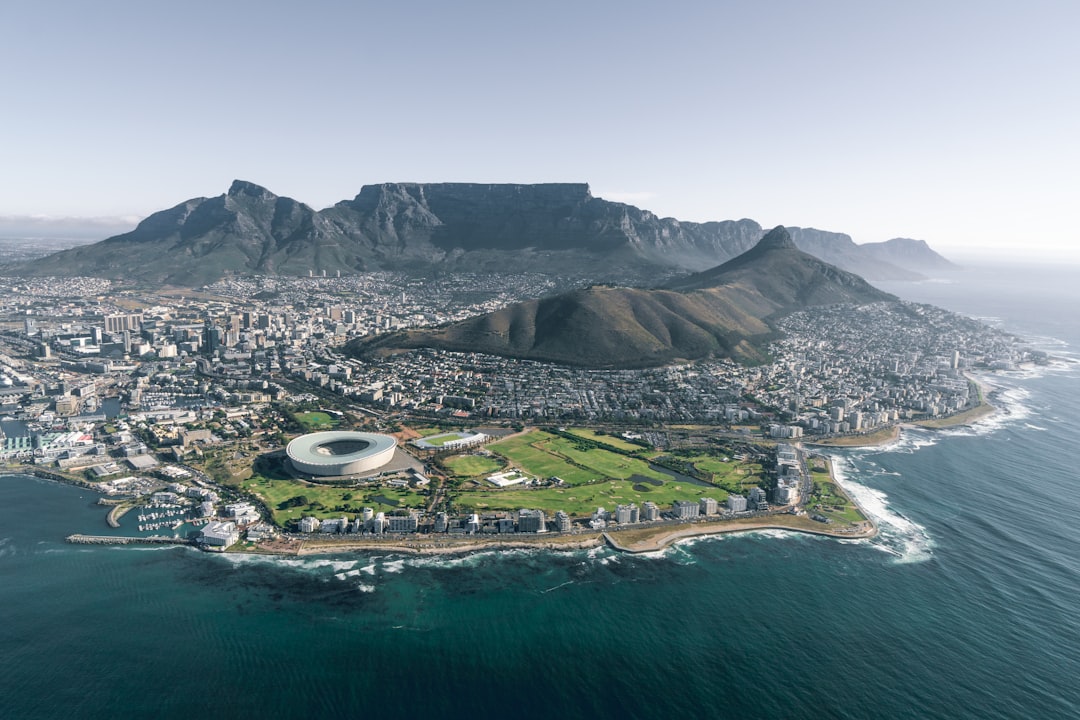 Photo by Tobias Reich on Unsplash
Affiliate Disclosure: Some links in this article are affiliate links. If you book through them, I may earn a small commission at no extra cost to you. This helps me keep the site running and the advice free.
Last updated: 2026-06-19