The single biggest change to Cook Islands travel in a decade happens on May 18, 2026. That’s when Jetstar launches direct Brisbane-to-Rarotonga flights, cutting total travel time from Australia to roughly seven hours. No more Auckland layovers. No more redeye connections through Fiji. You land in paradise before your body clock realizes you left. This guide covers the new route, the exact SIM card you should buy, and what to pack so you don’t waste money on island prices.
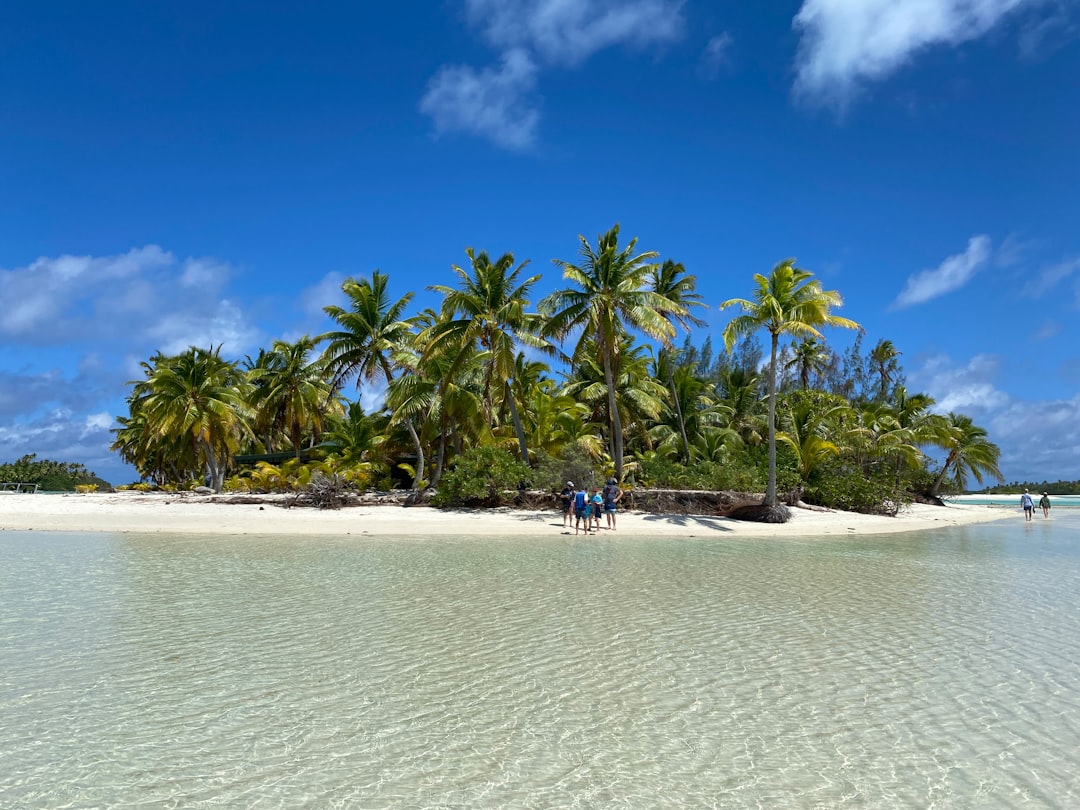 Photo by Christoph Burgdorfer on Unsplash
Why the Cook Islands Are Trending Right Now (August 2026)
You’re seeing Cook Islands content everywhere because the timing is finally right. The 2026 Brisbane route has unlocked a wave of Australian travelers who previously found the journey too complicated. Jetstar’s launch pricing undercut traditional carriers by nearly 40%, and the ripple effect is real.
But there’s a second reason: the islands are hitting peak Instagram virality. The Aitutaki lagoon—the one with the sandbar that looks like a movie set—is being featured in nearly every travel reel right now. Combine that with the fact that the Cook Islands have remained less commercialized than Fiji or Bali, and you have a destination that feels both exclusive and accessible.
The currency is strong for Australians right now. The New Zealand dollar (which the Cook Islands uses) has softened against the AUD, meaning your money goes further on meals, tours, and accommodation than it did in 2024 or 2025.
The New Brisbane Flight: What You Need to Know
Jetstar’s direct service from Brisbane (BNE) to Rarotonga (RAR) officially launched May 18, 2026. The flight operates on a schedule that’s designed for a full week or two-week stay, which suits the island vibe perfectly.
Key details:
- Route: Brisbane to Rarotonga, direct
- Aircraft: Boeing 787 Dreamliner
- Flight time: Approximately 7 hours 15 minutes
- Frequency: 2-3 times weekly (check current schedule)
- Launch fare: From $329 AUD one-way (introductory pricing)
Pros of the new route:
- Saves 4-6 hours versus connections through Auckland
- Single check-in, no luggage re-tagging
- Jetstar’s Dreamliner is newer and quieter than the 737s on regional routes
- Arrival time is mid-afternoon, so you can hit the beach the same day
Cons to consider:
- Jetstar is a low-cost carrier—baggage and meals cost extra
- Limited frequency means your dates must be flexible
- The launch schedule fills up fast; you need to book 4-6 months ahead
Who it’s best for: Australian travelers on the east coast who want maximum beach time and minimum airport time. If you’re coming from Europe or North America, you’ll still route through Auckland or Los Angeles.
The alternative: Air New Zealand flies from Auckland with more frequency, and you can sometimes find codeshare deals. But for pure convenience from Australia, the Jetstar direct is the winner in 2026.
Getting Connected: eSIM vs. Physical SIM (Real Prices)
You will need data on Rarotonga. Google Maps for scooter navigation, WhatsApp for booking confirmations, and Instagram for the lagoon shots. Here’s the honest breakdown of your options.
Vodafone Physical SIM at the Airport
This is the most straightforward option. Vodafone has a kiosk right as you exit customs at Rarotonga Airport. You can’t miss it—there will be a queue of tourists.
Current prices (as of August 2026):
- 20GB: $69 NZD
- 10GB: $49 NZD
Pros:
- Instant setup—they install and activate it for you
- Strong coverage across Rarotonga and Aitutaki
- Local number for booking tours and restaurant reservations
- No phone compatibility issues
Cons:
- You’re paying in NZD, and the airport rate isn’t the best
- Physical SIM means you need a SIM tray tool (or a paperclip)
- You’re locked to Vodafone’s network pricing
Who it’s best for: Anyone who wants zero fuss and doesn’t want to fiddle with phone settings while jet-lagged. Also best for older travelers who aren’t comfortable with eSIM setup.
eSIM Options (Do This Before You Fly)
If you’re reading this before departure, an eSIM is the smarter move. You can buy it online, install it while waiting for your luggage, and have data the second you step outside.
The research says: Travelers on forums are increasingly recommending eSIMs over the airport kiosk. The main reason is price transparency and the ability to compare plans before committing.
Recommended setup:
- Buy an eSIM from a provider like Airalo or Holafly before you leave
- Cook Islands-specific plans run $15-25 USD for 5-7 days
- Install it at home, activate it when your plane lands
Pros:
- You can keep your home SIM active for calls
- No physical card to lose
- Often cheaper per GB than the Vodafone airport option
- Instant activation—no queue at the airport
Cons:
- Your phone must be eSIM-compatible (iPhone XS or newer, most Samsung S20+)
- If you need a local phone number for bookings, you’ll still want the physical SIM
- Coverage is generally good, but Vodafone’s local network edges out some eSIM providers in rural areas
Who it’s best for: Tech-savvy travelers, solo adventurers, and anyone who wants to land and go. Also best for short trips (under 10 days) where you don’t need a local number.
My recommendation: Buy the eSIM for data. If you’re staying more than 10 days or plan to book a lot of tours on the ground, add the 10GB Vodafone SIM at the airport. Total cost: about $60 USD for both, and you’ll never worry about connectivity.
eSIM vs. SIM Comparison Table
| Feature | Vodafone Airport SIM | eSIM (Airalo/Holafly) |
|---|---|---|
| Price (10GB) | $49 NZD (~$45 AUD) | $20-25 USD |
| Setup time | 10-15 min at kiosk | 5 min before flight |
| Local number | Yes | No |
| Coverage | Excellent | Good to excellent |
| Best for | Long stays, local bookings | Short trips, instant setup |
| Risk | Queue, sold out | Phone incompatibility |
What to Pack: The First-Timer’s Checklist
I’ve been to Rarotonga twice. The first time I overpacked. The second time I got it right. Here’s the specific list.
Polarized sunglasses. This is non-negotiable. The lagoon is shallow and bright, and the glare off the white sand is intense. Non-polarized lenses will have you squinting by day two. Bring a cheap backup pair for beach days—salt water destroys lenses.
Reef shoes. The lagoon floor has coral rubble and sea urchins in patches. You’ll see locals walking barefoot, but they know where to step. You don’t. Buy a pair with good grip—you’ll wear them for 80% of your water time.
A dry bag. For scooter rides and boat trips to Aitutaki. You’ll thank yourself when a rain squall hits or when the boat spray soaks your backpack.
Light long-sleeve shirt. Sun protection is serious here. The sun is intense, and sunscreen washes off in the water. A rash guard or light cotton shirt saves your shoulders.
Power adapter. New Zealand-style plugs (Type I). If you’re coming from the US or Europe, bring an adapter. Australia uses the same plug, so Australians don’t need one.
Motion sickness tablets. The boat ride to Aitutaki can be rough in July-August. The swells are real. Bring seasickness meds even if you think you don’t need them.
What NOT to pack: Heavy clothes, formal wear, multiple pairs of shoes. The dress code is casual. A nice dress or collared shirt for dinner is fine, but no one wears suits. Leave the hiking boots at home.
 Photo by Jesse Collins on Unsplash
Rarotonga vs. Aitutaki: Where to Spend Your Time
You’ll fly into Rarotonga. The question is whether you stay there or hop to Aitutaki. The answer depends on your travel style.
Rarotonga (The Main Island)
Rarotonga is where you’ll land, and it’s the hub for food, culture, and nightlife. The island is 32 kilometers around, and you can scooter the entire loop in about 45 minutes.
Best for: First-timers, food lovers, travelers who want a mix of activity and relaxation.
Pros:
- More restaurants and cafes than Aitutaki
- Better nightlife (live music at several bars)
- The famous Punanga Nui Market on Saturday mornings
- More accommodation options at every price point
- Easy day trips to the lagoon and snorkel spots
Cons:
- The lagoon is not as spectacular as Aitutaki’s
- More tourists, especially with the new flights
- Traffic on the main road can be annoying during rush hour (yes, really)
Where to stay: The Muri Beach area is the most popular for good reason—calm lagoon, close to restaurants, and the best sunsets. Budget options exist on the south side, but you’ll need transport.
Aitutaki (The Lagoon)
Aitutaki is a 45-minute flight from Rarotonga. It’s smaller, quieter, and home to what many call the world’s most beautiful lagoon. This is the island you see in the viral videos.
Best for: Honeymooners, photographers, travelers seeking total escape.
Pros:
- Unreal lagoon colors—turquoise, emerald, and deep blue
- The famous one-foot island sandbar
- Far fewer people
- More authentic local feel
- Snorkeling and fishing are world-class
Cons:
- Limited dining options (maybe 6-8 restaurants)
- Very quiet at night—bars close by 10 PM
- Everything costs more (supplies are flown in)
- You need to book the flight separately
The verdict: If you have 7 days or fewer, stay on Rarotonga and take a day trip to Aitutaki (it’s possible but pricey). If you have 10+ days, split your time—4 nights on Aitutaki, the rest on Rarotonga.
Money-Saving Tips That Actually Work
The Cook Islands aren’t cheap. A meal at a mid-range restaurant runs $25-35 NZD per person. But there are ways to stretch your budget without sacrificing the experience.
Eat at food trucks. The roadside food stalls near Muri Beach serve fresh fish burgers and coconut curry for $12-18 NZD. The quality is excellent. Locals eat here.
Buy your alcohol at duty-free. Liquor is expensive on the island. If you drink, bring your allowance through customs. A bottle of wine that costs $28 NZD at the supermarket costs $45 at a restaurant.
Book tours directly. Skip the hotel concierge. Walk to the tour operator’s office or message them on Facebook. You’ll save 10-15% by cutting out the middleman.
Rent a scooter, not a car. Scooters cost $25-35 NZD per day. Cars run $65-85 NZD. Unless you have a family, the scooter is the way to go.
Stay in self-catering accommodation. The Cook Islands have excellent apartments and baches (holiday homes). Having a kitchen saves you $50+ per day on meals.
Local Etiquette and Culture: Don’t Be That Tourist
The Cook Islands are Polynesian, and the culture is warm but has rules. Respect them.
Learn “Kia Orana.” It means “may you live long” and it’s the standard greeting. Say it when you enter shops, restaurants, and tour boats. Locals genuinely appreciate the effort.
Take your shoes off. When entering someone’s home or certain shops, check for a pile of shoes at the door. If there are shoes, take yours off.
Don’t wear hats in villages. It’s considered disrespectful in some areas. When in doubt, take it off.
Sunday is sacred. Most things close on Sunday. Plan your activities accordingly. Don’t schedule tours for Sunday—they won’t run.
Ask before taking photos of people. This is basic respect. Ask, smile, and offer to send them the photo.
FAQ: Real Questions from Travelers
Q: Do I need a visa for the Cook Islands? A: If you’re an Australian, New Zealand, US, UK, or EU citizen, no. You get a 31-day visitor permit on arrival. Just have a return ticket and proof of accommodation. For stays longer than 31 days, you need to apply for an extension through the Cook Islands Immigration office.
Q: Is the water safe to drink? A: Yes, on Rarotonga. The tap water comes from rainwater collection and is treated. It tastes fine. On Aitutaki, stick to bottled water to be safe. Buy a reusable bottle and refill at your accommodation.
Q: How much does a trip to the Cook Islands cost for a week? A: Budget $250-350 NZD per day for mid-range travel. This covers accommodation, food, a scooter rental, and one tour activity. Luxury travelers should budget $500+ per day. The new Jetstar flights have made the airfare cheaper, but island prices remain what they are.
Q: Should I book tours in advance or on arrival? A: Book the Aitutaki lagoon cruise in advance—it sells out, especially during school holidays. For Rarotonga activities like snorkeling and cultural shows, booking 1-2 days ahead is usually fine. The island runs on island time, but the popular tours are competitive.
Q: Can I use Australian dollars or should I exchange money? A: The Cook Islands use New Zealand dollars. Australian dollars are sometimes accepted at tourist spots but at poor exchange rates. Bring NZD cash or use your card. Most places accept credit cards, but small food trucks and markets are cash-only.
Q: Is the Cook Islands safe for solo female travelers? A: Yes. The crime rate is low, and the locals are welcoming. Standard precautions apply—don’t walk alone on dark beaches at night, keep your belongings secure. The main risk is road safety on scooters, not crime.
Final Itinerary Suggestion: 10 Days Done Right
Days 1-3: Arrive Rarotonga, settle in. Rent a scooter, explore the island loop, hit the Saturday market. Do the Cross Island Trek if you’re fit.
Days 4-6: Fly to Aitutaki. Take the lagoon cruise, spend a day on the sandbar, snorkel with giant trevally. Relax.
Days 7-10: Return to Rarotonga. Do the Muri Lagoon kayak tour, visit the whale and dolphin center, enjoy the nightlife, and buy souvenirs at the market.
This gives you variety without feeling rushed. The Cook Islands reward slow travel, so don’t over-schedule.
The Bottom Line
The Cook Islands in 2026 are the sweet spot of South Pacific travel. The new Brisbane flights have made them accessible, the eSIM technology has made them connected, and the local culture remains warm and genuine. Book your flights early, buy your eSIM before you leave, pack light, and be prepared to slow down.
You’ll leave with sand in your bag and a tan on your face. And you’ll already be planning your return.
Last updated: 2026-08-15
Affiliate Disclosure: Some links in this article are affiliate links. If you purchase through them, I may earn a small commission at no extra cost to you. This helps support the site and keeps the content free. I only recommend products and services I’ve personally used or thoroughly researched.