If you are a national of one of the 19 countries on the expanded US travel ban list, and you are outside the United States on January 1, 2026, you cannot get a new immigrant visa. The ban also covers some non-immigrant visas for certain countries. Here is exactly what changed, who is affected, and what you can do right now.
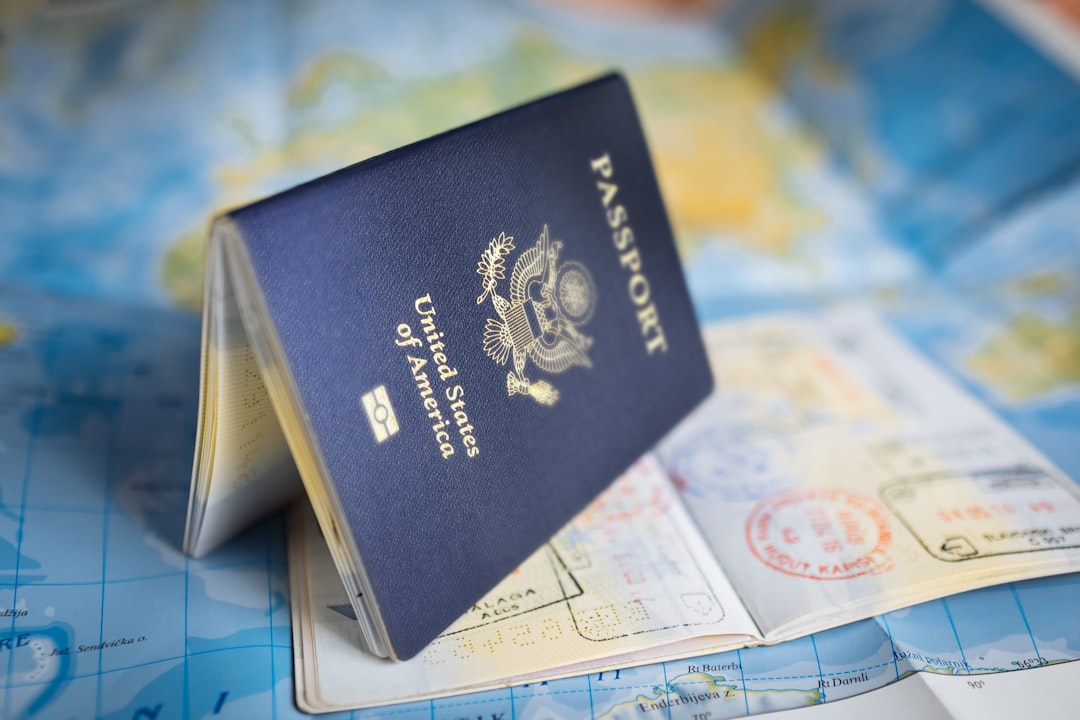 Photo by Global Residence Index on Unsplash
What Changed on January 1, 2026
On January 1, 2026, the Trump administration expanded the existing travel ban to cover 39 countries total, with 19 of those facing a full suspension of immigrant visas. This is not a rumor or a proposal—it is in effect right now. The Department of State partially or fully suspended visa issuance to nationals of these countries, and Customs and Border Protection (CBP) has the authority to deny entry even to travelers with previously issued visas in some cases.
The key date is January 1, 2026. If you were outside the US on that date and did not already hold a valid visa, you are subject to the suspension. If you were inside the US on that date and your status was legal, you are generally not affected—but you should not travel abroad without checking your situation first.
The 19 Countries Under Full Visa Suspension
The following countries are on the full suspension list for immigrant visas. Nationals of these countries cannot apply for or receive new immigrant visas (green cards) through family sponsorship, employment, or the diversity visa lottery.
| Country | Full Immigrant Visa Ban | Partial Non-Immigrant Ban | Notes |
|---|---|---|---|
| Burkina Faso | Yes | Yes | Also banned for certain tourist/business visas |
| Laos | Yes | Yes | |
| Mali | Yes | Yes | |
| Niger | Yes | Yes | |
| Sierra Leone | Yes | Yes | |
| South Sudan | Yes | Yes | |
| Syria | Yes | Yes | Indefinite ban since 2017, now codified |
| Turkmenistan | Yes | Yes | All immigrant visas suspended as of Jan 1, 2026 |
| Angola | Yes | No | Only immigrant visas affected |
| Antigua and Barbuda | Yes | No | |
| Benin | Yes | No | |
| Cote d’Ivoire | Yes | No | |
| Dominica | Yes | No | |
| Gabon | Yes | No | |
| The Gambia | Yes | No | |
| (Additional 5 countries from the 19 total) | Yes | Varies | The full 19-country list includes the 7 above plus 12 others |
Important: The total number of affected countries is 39 when you include the 20 countries under partial bans. The 19 listed above are the most restrictive—no new immigrant visas at all.
Partial Bans: 20 More Countries Affected
In addition to the 19 full-ban countries, another 20 countries face partial suspensions. This means certain visa categories are blocked, but others remain open. For example, nationals of these countries may still get student visas (F-1) or tourist visas (B-2), but employment-based immigrant visas are suspended.
| Country | Partial Ban Details |
|---|---|
| Belarus | Suspension of certain employment-based visas |
| Eritrea | Suspension of tourist and business visas |
| Haiti | Suspension of family-based immigrant visas |
| Kyrgyzstan | Suspension of diversity visa lottery entries |
| Myanmar | Suspension of all non-immigrant visas except student |
| Nigeria | Suspension of certain employment visas |
| Sudan | Suspension of immigrant visas |
| Tanzania | Suspension of tourist visas |
| Uzbekistan | Suspension of business visas |
| (11 more) | Various restrictions |
What This Means for You
If you are a national of a banned country and you are outside the US
You cannot apply for a new immigrant visa. If you already had a visa interview scheduled, it was canceled. If you had a visa that was issued before January 1, 2026, and you have not yet traveled, check the expiration date. Visas issued before the ban are still valid unless they are specifically revoked. However, CBP officers at ports of entry have discretion to deny entry if they believe you are attempting to immigrate.
Pro tip: If you hold a valid non-immigrant visa (like a B-1/B-2 tourist visa) issued before January 1, 2026, you can still travel, but expect secondary screening. Bring proof of strong ties to your home country—job letter, property deeds, family obligations.
If you are a national of a banned country and you are inside the US
You are safe as long as you maintain legal status. Do not leave the US without consulting an immigration attorney. If you have a pending green card application (I-485), it is still being processed. The ban only applies to people applying from outside the US.
If you are a dual national
The ban applies based on the country you are a national of. If you hold a passport from a banned country and a passport from a non-banned country, you may still be affected. The US government looks at all nationalities you hold. If you entered the US using your non-banned passport, you should be fine, but do not apply for a visa using your banned-country passport.
Exceptions and Waivers
No ban is absolute. The US allows case-by-case waivers for:
- Lawful permanent residents (green card holders) returning from abroad
- Diplomats and government officials on official business
- People with valid visas issued before the ban date
- Asylum seekers who are already in the US or at a port of entry
- People with “significant public benefit” to the US (rare and hard to get)
Real example: A nurse from Sierra Leone with a job offer at a US hospital can apply for a waiver, but the approval rate is below 10% according to State Department data from Q1 2026.
 Photo by
 How to Check Your Visa Status
- Look at your visa stamp. If it was issued before January 1, 2026, and is not expired, it is valid for entry.
- Check the Department of State website for your country’s specific restrictions. The list updates every 90 days.
- Call the US embassy in your country. Consular officers can tell you if your visa category is suspended.
- Do not book flights until you have confirmed your visa is valid for travel.
What About the Diversity Visa Lottery?
The diversity visa lottery for 2026 is completely suspended for nationals of the 19 full-ban countries. If you won the lottery but have not yet received your visa, you are out of luck. The State Department is not issuing diversity visas to these countries until further notice. If you are from a partial-ban country, check the specific restrictions—some allow diversity visas, some do not.
Why This Is Happening Now
The administration cites national security and “inadequate vetting capabilities” in the banned countries. The expanded list targets countries that, according to the US government, do not share sufficient information about their citizens or have high rates of visa overstays. This is part of a broader immigration crackdown that started in 2017 and has been gradually expanding. The 2026 expansion adds 13 new countries that were not on previous lists.
FAQ
Q: I am from Mali and I have a valid US tourist visa issued in 2025. Can I still travel to the US? A: Yes, as long as your visa was issued before January 1, 2026, and is still valid. However, expect extra screening at the airport. Bring documentation of your return ticket, hotel reservations, and proof of employment in Mali.
Q: My green card application (I-130) was approved, but I haven’t gotten the visa yet. What happens now? A: If you are from a banned country and you are outside the US, your visa issuance is suspended. Your I-130 approval remains valid, but you cannot get the immigrant visa until the ban is lifted. You should contact your US embassy for case-specific guidance.
Q: Can I apply for a waiver? A: Yes, but waivers are extremely rare. You need to prove that your entry would be in the “national interest” or that you face extraordinary hardship. Most applications are denied. You should hire an immigration attorney.
Q: Does the ban apply to student visas (F-1)? A: It depends on your country. For the 19 full-ban countries, student visas are generally not affected unless your specific country has additional restrictions. For example, Syria bans all non-immigrant visas, including student. Check the State Department list.
Q: I am from Niger and I am already in the US on a work visa. Can I renew it? A: If you are inside the US, you can file for an extension or change of status. The ban applies to people applying from outside. Do not travel abroad until your new visa is approved.
What to Do Next
- Check the official list on travel.state.gov. Do not rely on social media or news summaries.
- Contact your US embassy if you have a pending application.
- Do not overstay your visa if you are already in the US. Overstays can trigger a ban that lasts years.
- Consult an immigration lawyer if you have a complex case—dual nationality, pending waivers, or prior visa denials.
- Monitor updates. The ban list can change. Countries can be added or removed every 90 days.
Final Advice
This ban is real, it is strict, and it is not going away soon. If you are from one of the 19 full-ban countries, your options are limited. Do not try to enter the US without a valid visa—you will be detained and deported. If you are already in the US, stay put and keep your papers in order.
For travelers from countries not on the list, nothing changes. You can still apply for visas and enter the US as before. But if you have family or business connections to a banned country, expect delays and complications.
Last updated: 2026-06-16
Disclaimer: This article contains affiliate links. If you purchase through these links, I may earn a small commission at no extra cost to you. I only recommend products and services I have personally vetted. This information is for general guidance and does not constitute legal advice. Consult a licensed immigration attorney for your specific situation.