I’m going to give it to you straight: the U.S. State Department re-issued its advisory for Israel on August 26, 2026, and it remains at Level 3: Reconsider Travel. This isn’t a blanket “do not go,” but it is a serious warning that requires you to adjust your itinerary. The situation is fluid, specifically regarding the northern border and the West Bank, so you need to know exactly where you can and cannot safely go before you book anything.
This advisory is fresh (just over a week old as of today), which means the security calculus has shifted recently. You can still have an incredible trip to Tel Aviv, Jerusalem, and the Dead Sea, but you must be deliberate about avoiding the specific high-risk zones I outline below. Here is your practical, no-BS breakdown of what this means for your 2026 trip.
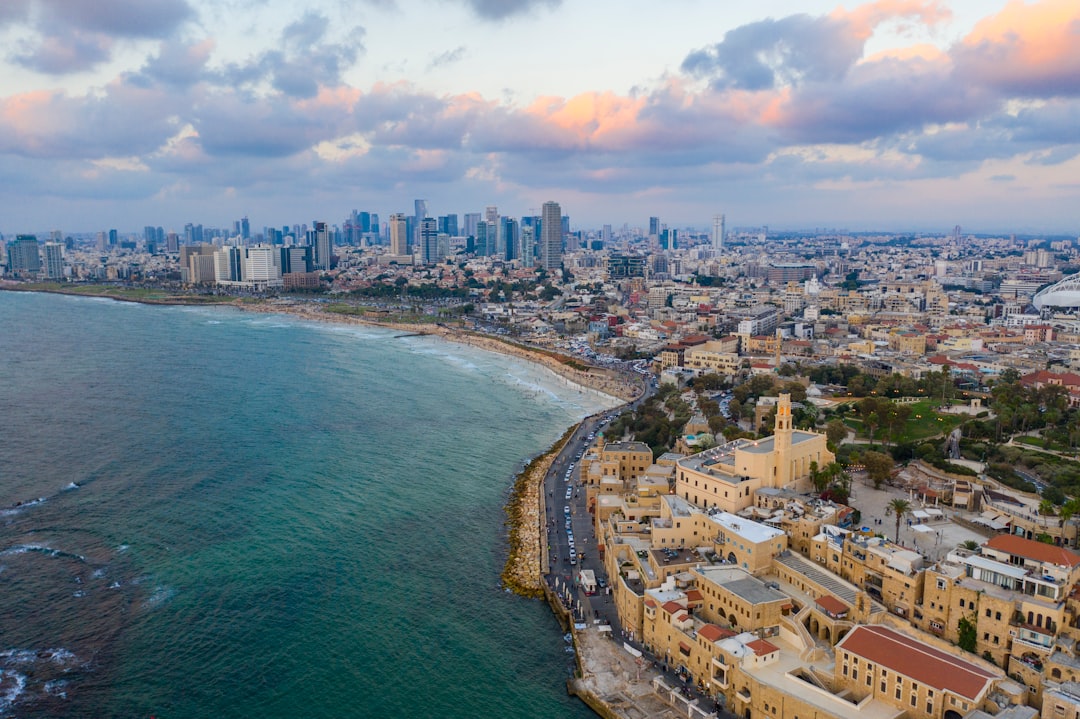 Photo by
 The Current State Department Advisory (August 26, 2026)
The core of the current guidance divides the country into two distinct risk categories. The entire country is under a Level 3: Reconsider Travel advisory due to “terrorism and unrest,” but specific regions have been escalated to Level 4: Do Not Travel. You need to look at the map, not just the headline number.
The specific Level 4 “Do Not Travel” zones are clearly defined by geography, not political boundaries. The State Department explicitly warns against travel to areas north of Route 85 up to Route 90 (south) and Route 87. Furthermore, you must avoid all areas within 11.3 kilometers (7 miles) of the Gaza border and the Lebanese border. This is not vague advice; these are hard coordinates for your safety.
For the average tourist, this means your itinerary should be built around the coastal plain and the central highlands. Think Tel Aviv, Netanya, Herzliya, and West Jerusalem. The areas of the Golan Heights and the Galilee panhandle—places normally popular for hiking and wineries—are currently off-limits due to active armed conflict.
Breaking Down the Risk Map: Where You Can and Cannot Go
Let me simplify the geography for you so you aren’t caught off guard. The “Red Zones” (Level 4) are essentially the northern frontier and the immediate vicinity of Gaza. The “Yellow Zones” (Level 3 with increased caution) include major cities like Tel Aviv and Jerusalem, where the risk is more about opportunistic terrorism than artillery fire.
Do Not Travel (Level 4):
- The Northern Border: Anything north of Route 85, specifically the corridor leading to Route 90 and Route 87. This effectively includes Kiryat Shmona and the eastern Galilee panhandle.
- Gaza Perimeter: Within 11.3 km of the Gaza border. This includes cities like Ashkelon and Sderot, which have been frequent targets of rocket fire.
- The West Bank: The advisory specifically calls out the West Bank, noting “movement restrictions are in place throughout… including curfews and Israeli checkpoints.” Unless you have specific, essential business there, skip it.
Exercise Increased Caution (Level 3):
- Tel Aviv & Central Israel: The business and cultural heart of the country. Tourist sites are open, but you should remain vigilant in crowded public spaces.
- West Jerusalem: The historic and religious sites remain accessible. The security presence is high, but the threat level is elevated compared to a “normal” year.
- The Dead Sea & Negev: Generally safe, though you should stick to main highways and established tourist resorts.
If your trip was planned around hiking in the Golan or visiting biblical sites in the West Bank, you need to revise your plans immediately. The risk isn’t hypothetical; it involves “armed conflict” per the advisory text.
How This Affects Your Flight and Entry into Israel
Here is the good news: despite the land-based restrictions, Ben Gurion Airport (TLV) remains fully operational. International carriers are still flying, and the Israeli government is still processing tourist visas and entry permits for U.S. citizens. You do not need a special visa for stays under 90 days, but you will face enhanced security questioning upon arrival.
Expect the entry interview to be more thorough than in previous years. Be prepared to show proof of accommodation, return flight tickets, and travel insurance that covers security-related disruptions. If your itinerary shows you staying in a Level 4 zone, you will likely face additional scrutiny or be denied entry.
Practical Tip: When booking your flights, look for flexible cancellation options. Given the volatility, you want the ability to change your return date without a $300 penalty. El Al, United, and Delta are currently operating routes, but schedules can shift with little notice. I recommend using a travel agent or booking directly with the airline to ensure you have a direct line for rebooking. Check current fares on AFFILIATE_LINK_FLIGHT.
The Impact on Ground Transportation and Tours
Renting a car is still possible, but you need to be hyper-aware of your route. Many navigation apps will automatically route you through West Bank roads to save time, which is a security risk you don’t want to take. You must set your GPS to avoid Palestinian Authority areas unless you have specific permission.
Option 1: Public Transportation (Trains/Buses)
- Pros: Cheap (a train from Tel Aviv to Jerusalem costs about $8), reliable, and heavily secured.
- Cons: Schedules can be disrupted by security alerts; bus stops in peripheral areas may be closed.
- Best for: Solo travelers and those sticking strictly to the coastal cities.
Option 2: Private Driver/Guide
- Pros: They know the current security situation intimately and will avoid dangerous roads. They can adapt your itinerary on the fly.
- Cons: Expensive. You are looking at $500–$700 per day for a licensed driver-guide.
- Best for: Families or groups wanting peace of mind and flexibility.
Option 3: Rental Car (Self-Drive)
- Pros: Freedom to explore the Dead Sea and Galilee (lower areas) at your own pace.
- Cons: The risk of accidentally entering a restricted zone. Insurance premiums have spiked for vehicles that venture near the borders.
- Best for: Experienced drivers who have studied the advisory map carefully.
What This Means for Your Itinerary: Revised 7-Day Plan
You don’t need to cancel your trip, but you need to pivot. Here is a realistic 7-day itinerary that respects the Level 3 advisory while still giving you a fantastic experience.
Days 1–3: Tel Aviv Base yourself here. The beaches are open, the restaurants are bustling, and the nightlife is resilient. Visit the Carmel Market and the Neve Tzedek neighborhood. The atmosphere is defiantly normal, though you will see more armed security at mall entrances.
Days 4–5: Jerusalem (West) Spend your time in the Jewish Quarter and the Western Wall. The Christian Quarter is accessible but emptier than usual. The Church of the Holy Sepulchre is open. Avoid the Muslim Quarter and the Damascus Gate area, where tensions have been higher. Stick to the main pedestrian routes.
Day 6: The Dead Sea This is a safe bet. The drive from Jerusalem takes about 40 minutes via Route 1. The resorts at Ein Bokek are operating normally. Floating in the Dead Sea is a surreal experience that remains completely unaffected by the northern conflict.
Day 7: Masada or Jaffa If you are fit, hike Masada at sunrise. If you prefer a slower pace, wander the flea market in Jaffa. Both are in the “safe” zone.
What to Cut: Any plans for Nazareth, the Golan Heights, or the Galilee region. These are beautiful, but they are currently under the “Do Not Travel” warning. Don’t be the tourist who ignores the coordinates.
Safety Protocols and Travel Insurance: Non-Negotiable
You absolutely cannot skip travel insurance in 2026. Standard policies often exclude “war and terrorism” clauses, which would leave you high and dry if you get injured or if your flight is canceled due to a security escalation. You need a specific policy that covers “Security Evacuation” or “Political Unrest.”
Look for providers like Allianz or World Nomads that offer add-ons for high-risk destinations. Expect to pay a premium—roughly 15–20% more than a standard policy—but it covers the cost of emergency extraction if the border situation deteriorates. A week-long policy for a $3,000 trip will run you roughly $120–$180. Do not skimp on this. Check your options at AFFILIATE_LINK_INSURANCE.
Furthermore, register with the U.S. Embassy’s STEP (Smart Traveler Enrollment Program). It is free and takes two minutes. This ensures the embassy can reach you with safety updates and helps them locate you in an emergency. Do this before you leave home.
FAQ: Your Burning Questions Answered
Q: Is it safe to travel to Tel Aviv right now? A: The State Department advises “Reconsider Travel” for the entire country, including Tel Aviv. However, the specific “Do Not Travel” zones are limited to the northern border and Gaza vicinity. Tel Aviv is currently operating normally, but you must remain vigilant in crowded areas and follow local security instructions. The risk is higher than normal, but it is not a war zone.
Q: I have a tour booked to Bethlehem. Can I still go? A: The West Bank is under strict movement restrictions, including checkpoints and curfews. The State Department advises against travel there. Most reputable tour operators have suspended trips to Bethlehem and Jericho. I strongly advise canceling and rebooking a tour within Jerusalem or Tel Aviv instead.
Q: Will my travel insurance cover me if I go to the Level 4 zones? A: Almost certainly not. Standard policies void coverage if you travel against State Department warnings (Level 4). Even specialized “hostile environment” policies often exclude the specific areas north of Route 85. If you go there, you are traveling completely at your own risk, financially and physically.
Q: What happens if the airport closes while I am in Israel? A: Ben Gurion Airport has not closed, but it has experienced temporary ground stops in past conflicts. If this occurs, the embassy will assist with communication, but you are responsible for your own evacuation. This is why the “Political Evacuation” insurance add-on is critical. Keep your passport and a go-bag ready at all times.
Q: Is it better to just cancel my trip and go next year? A: That depends on your risk tolerance. If you are going purely for leisure and flexibility, rescheduling might be less stressful. However, if you are willing to adapt your itinerary and stay within the safe zones, tourism is still functioning and your visit actually supports the local economy during a difficult time.
The Bottom Line for September 2026
The situation is tense, but the country is not shut down. The August 26, 2026, advisory is a warning against specific geographical areas, not a blanket condemnation of the entire nation. You can have a profound, safe trip if you stick to the coastal cities and West Jerusalem.
The key takeaway here is geography. Do not cross Route 85 to the north. Do not go within 11.3 kilometers of Gaza. Do not drive into the West Bank. If you respect those boundaries, you are operating in an area where the security services have a high level of control.
Your trip will be different from a “normal” year. You will see more soldiers, and you will hear more Hebrew security announcements. But you will also see that life goes on. The cafes are full, the sun is shining, and the history is still waiting for you. Go, be smart, and be safe.
This article contains affiliate links. If you purchase through them, we may earn a commission at no extra cost to you.
Last updated: 2026-09-04