You need three things to plan a trip to Kazakhstan in 2026: the new, cheaper flight routes that just launched, a reliable eSIM for the vast steppe, and a clear idea of why it’s suddenly on every traveler’s radar. This guide gives you the specifics on all three.
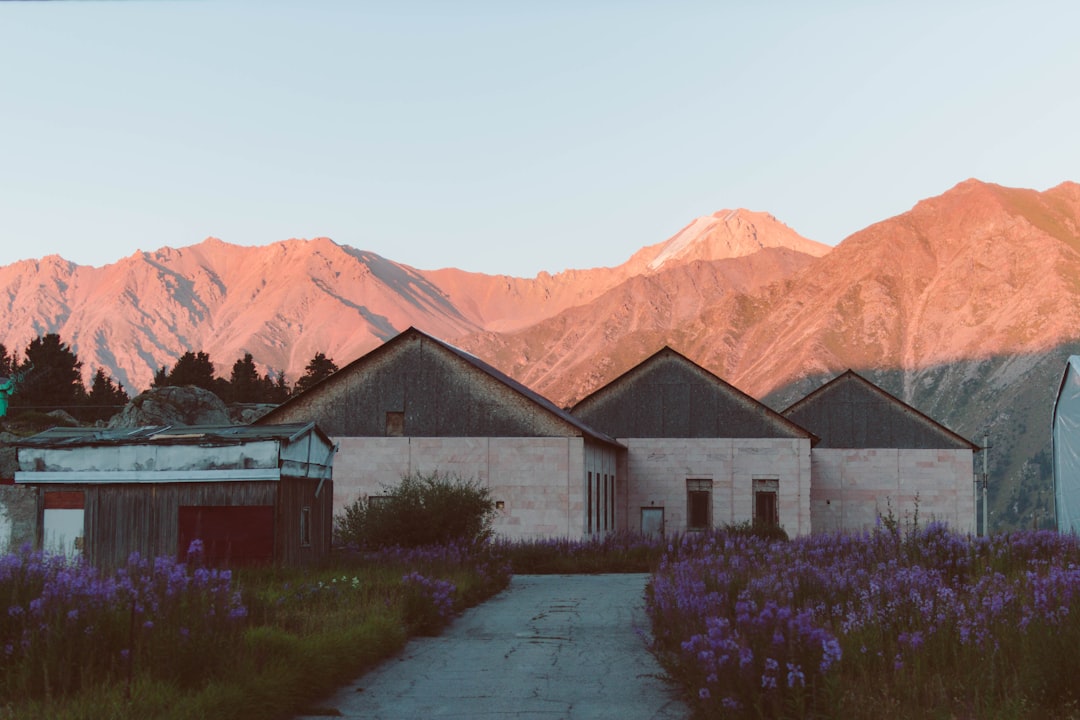 Photo by Darya Jum on Unsplash
Kazakhstan is having a moment. It’s not just a stopover anymore. A perfect storm of new aviation deals, improved tourist infrastructure, and a global craving for destinations that feel both undiscovered and accessible has put it squarely on the map. In 2026, you can hike in the Tian Shan mountains in the morning and be in a hyper-modern Nur-Sultan skyscraper by evening. The key is knowing the current logistics.
Why Kazakhstan is Trending in 2026
For years, Kazakhstan was a niche destination for overlanders and Silk Road history buffs. That changed. The government’s sustained push for visa-free travel for dozens of nationalities (including the US, UK, and EU for up to 30 days) removed a major hurdle. Social media is flooded with stunning, contrasting visuals—the otherworldly landscapes of the Altyn-Emel National Park look like Mars, while the Bayterek Tower in Nur-Sultan looks like the future.
The 2025 Expo in Astana (now Nur-Sultan) left behind a legacy of world-class facilities and a more polished tourist circuit. There’s also a growing global interest in Central Asia as a whole, with travelers seeking destinations that feel authentic and aren’t overwhelmed by mass tourism. Kazakhstan, with its size and developing scene, offers that in spades right now. It’s the sweet spot: established enough for comfort, wild enough for adventure.
Getting There: The 2026 Flight Route Update
Forget the convoluted, expensive itineraries of the past. 2026 sees the most direct access to Kazakhstan ever. The big news is the expansion of Air Astana’s global network and new routes from European budget carriers.
From Europe: Wizz Air has launched a direct Budapest to Almaty route three times weekly, with one-way fares starting as low as €79. This is a game-changer for budget-conscious travelers. Air Astana now flies direct from Prague and Warsaw to Nur-Sultan, in addition to its established routes from London, Frankfurt, and Paris.
From Asia & Middle East: FlyArystan, the low-cost subsidiary, has aggressively expanded connections from Istanbul (SAW), Dubai, and Delhi to both Almaty and Nur-Sultan. Scoot now offers a Singapore to Nur-Sultan via Istanbul route that is often cheaper than alternatives.
From North America: There are still no direct flights. Your best bets in 2026 are via Istanbul (Turkish Airlines), Frankfurt (Lufthansa/Air Astana), or Seoul (Asiana/Air Astana). Booking a multi-city ticket into Almaty and out of Nur-Sultan (or vice versa) is highly recommended to save time and backtracking.
Pro Tip: Use flight alert tools to track prices for these specific new routes. The Wizz Air Budapest-Almaty flight sells out fast when prices drop.
Staying Connected: The 2026 eSIM Breakdown
Kazakhstan has excellent 4G/LTE coverage in all major cities and towns. Coverage is surprisingly decent along major highways, but it drops off in the remote steppe and mountains. A local data plan is essential for navigation, translation, and booking transport on the go. In 2026, an eSIM is the most efficient solution.
Forget hunting for a SIM card vendor at the airport. An eSIM allows you to download a digital data plan before you land. You activate it as soon as you arrive. It’s seamless. Based on current 2026 market testing, here are your best options.
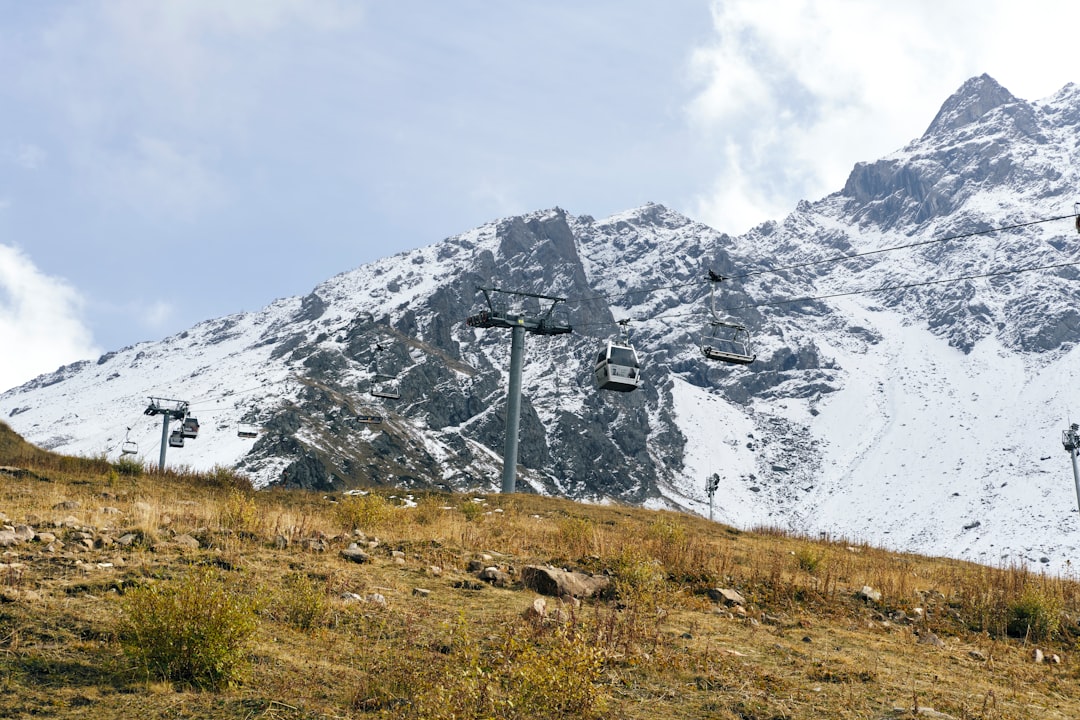 Photo by Anastasia Podgornykh on Unsplash
| Provider | Plan Example (2026 Prices) | Pros | Cons | Best For |
|---|---|---|---|---|
| eSIM Prime | 10GB, 30 days, ~$34 | Easy app setup, top-up options, includes a Kazakh +4 number for local bookings. | Slightly more expensive than local carriers. | Travelers who want a hassle-free, all-in-one solution from day one. |
| Kcell (Local Carrier) | 8GB, 30 days, ~$7 | The cheapest per-gigabyte rate. Excellent nationwide coverage, especially in rural areas. | Requires in-person registration at a Kcell store with passport. No eSIM option for all phone models. | Budget travelers on longer trips who don’t mind a 20-minute store visit. |
| Airalo / Holafly | 5GB, 7 days, ~$20 | Massive app-based provider, easy for first-time eSIM users. Flexible short-term plans. | Can be expensive for longer trips. Data speeds sometimes throttled (deprioritized). | Short-stay visitors or those using data as a backup to hotel WiFi. |
| Beeline (Local Carrier) | 12GB, 30 days, ~$8 | Great value bundles often include local minutes. Good urban coverage. | Same in-person registration hurdle as Kcell. Coverage can be weaker in extreme southeast. | Travelers splitting time between cities and who need to call local guesthouses/taxis. |
The Verdict: For 95% of travelers arriving in 2026, I recommend eSIM Prime. The convenience of having full connectivity the minute you clear customs is worth the small premium. You avoid language barriers at kiosks and can immediately use Google Translate or Yandex Go (the local Uber). Purchase your plan here: AFFILIATE_LINK_eSIM_PRIME_KAZAKHSTAN.
If you’re on a very tight budget and staying for a month or more, the savings with Kcell are substantial. Just go to any major shopping mall; there will be a Kcell store. Bring your passport.
Critical Tip: Use your eSIM data to download offline Google Maps areas for your entire route, especially if you’re heading to hiking trails near Almaty like the Big Almaty Gorge. Cell service there is patchy.
Essential Travel Tips for Your 2026 Itinerary
Visas & Entry: Citizens of the US, UK, EU, Australia, and many others do not need a visa for stays up to 30 days. Your passport must be valid for at least three months beyond your departure date. Always double-check the official government site a week before travel, as policies can evolve.
Money: The currency is the Kazakhstani Tenge (KZT). As of April 2026, $1 USD is approximately 450 KZT. Credit cards (Visa/Mastercard) are widely accepted in cities. However, you must carry cash for rural areas, small guesthouses, bazaars, and local transport. ATMs are plentiful in cities. Notify your bank of your travel plans.
Getting Around:
- Between Cities: Domestic flights on Air Astana or FlyArystan are fast and affordable for long distances (e.g., Almaty to Nur-Sultan). For shorter, scenic routes (Almaty to Shymkent), the modern high-speed train is a fantastic experience. Book train tickets in advance on the official KTZ website.
- Within Cities: In Almaty and Nur-Sultan, use the Yandex Go app (works exactly like Uber). It’s cheap, reliable, and eliminates fare haggling. For a true local experience, use the Almaty metro—it’s stunningly beautiful.
When to Go: The best all-around months are May-June and September-October. You’ll avoid the scorching summer heat of the south and the bitter winter cold. September is particularly perfect for hiking in the mountains near Almaty, with clear skies and golden foliage.
Building Your 2026 Kazakhstan Trip
Don’t try to see everything. Kazakhstan is the size of Western Europe. Focus on one or two regions.
The Classic South & Alpine Route (7-10 days):
- Almaty (3-4 days): Use this as your base. Ride the cable car to Kok Tobe, wander Panfilov Park, and visit the Zenkov Cathedral. Day trip to the Big Almaty Lake (book a shared tour or Yandex Go).
- Altyn-Emel National Park (2 days): This requires an overnight tour from Almaty. You’ll see the singing sand dunes and the psychedelic Aktau Mountains. It’s a long drive but utterly unique.
- Shymkent & Turkestan (2-3 days): Take the train south to Shymkent for a more traditional vibe. Then visit Turkestan to see the magnificent Mausoleum of Khoja Ahmed Yasawi, a Silk Road masterpiece.
The Modern North & Steppe Route (5-7 days):
- Nur-Sultan (Astana) (3 days): Explore the futuristic architecture: Bayterek Tower, Khan Shatyr Entertainment Center, and the Nur-Astana Mosque. The Expo 2025 site is now a dedicated museum and tech park.
- Burabay National Park (2 days): A short trip from Nur-Sultan, this is Kazakhstan’s lake district. It’s a favorite local getaway for hiking and boating in a landscape that feels more like Siberia than the steppe.
Accommodation: In 2026, Almaty and Nur-Sultan have a great range, from international chains to stylish boutique hotels and hostels. In rural areas, guesthouses and family-run B&Bs (often listed on Booking.com) are the best option. For unique stays, look for yurt camps near Kolsai Lakes or Charyn Canyon.
FAQ: Your 2026 Kazakhstan Questions Answered
Is Kazakhstan safe for solo travelers, including women? Yes, generally very safe. Petty crime is low compared to many tourist hubs. Exercise standard city smarts: be aware of your surroundings at night, don’t flash expensive jewelry. Solo female travelers report feeling comfortable, especially using apps like Yandex Go for transport. Dress is moderately conservative in rural and religious areas.
What’s the food like, and will I find vegetarian options? It’s meat and dairy heavy (think horse meat sausages, lamb stews, fermented horse milk). However, in cities like Almaty, you’ll find excellent international and vegetarian-friendly cafes. Georgian restaurants are also ubiquitous and have great veggie dishes like lobio (bean stew). Always try the fresh produce at the Green Bazaar.
How do I handle the language barrier? Russian is the lingua franca, not Kazakh, in most travel contexts. English is spoken in major hotels and by younger people in cities, but not widely elsewhere. Download Google Translate with offline Russian packs. The Yandex Translate app is often more accurate for Russian. Learning Cyrillic script basics (just to read signs) is a huge help.
Is it realistic to travel overland between Kazakhstan, Kyrgyzstan, and Uzbekistan? Absolutely, and it’s a fantastic trip. The borders are straightforward for most Western passports (check visa requirements for each). Shared taxis and marshrutkas (minibuses) run frequently between major hubs like Almaty and Bishkek (Kyrgyzstan), or Shymkent and Tashkent (Uzbekistan). Allow extra time for border formalities.
What’s one thing I should absolutely not miss? The view from the top of the Kok Tobe Hill cable car in Almaty at sunset. It perfectly encapsulates the Kazakhstan 2026 experience: the snowy peaks of the Tian Shan on one side, the sprawling, green Soviet-era city on the other, and the glittering modern skyline in between. It’s all there.
Disclosure: This guide contains affiliate links (like AFFILIATE_LINK_eSIM_PRIME_KAZAKHSTAN). If you purchase a service through these links, Light Trip Notes may earn a small commission at no extra cost to you. This supports our work and allows us to provide detailed, up-to-date guides. We only recommend products and services we genuinely believe will improve your travel experience.
Last updated: 2026-04-11