Kyrgyzstan is having a moment. The 2026 World Nomad Games are drawing massive crowds, the “Switzerland of Central Asia” nickname is finally hitting mainstream travel feeds, and the visa-free entry for 80+ countries makes it stupidly easy to visit. But here’s the real question: Should you go this summer, or wait for the hype to cool? Short answer: Go. But go smart. The Games mean more tourists than usual (especially in September), but the crowds are still nothing compared to Nepal or Peru. You just need to know when to arrive and where to sleep.
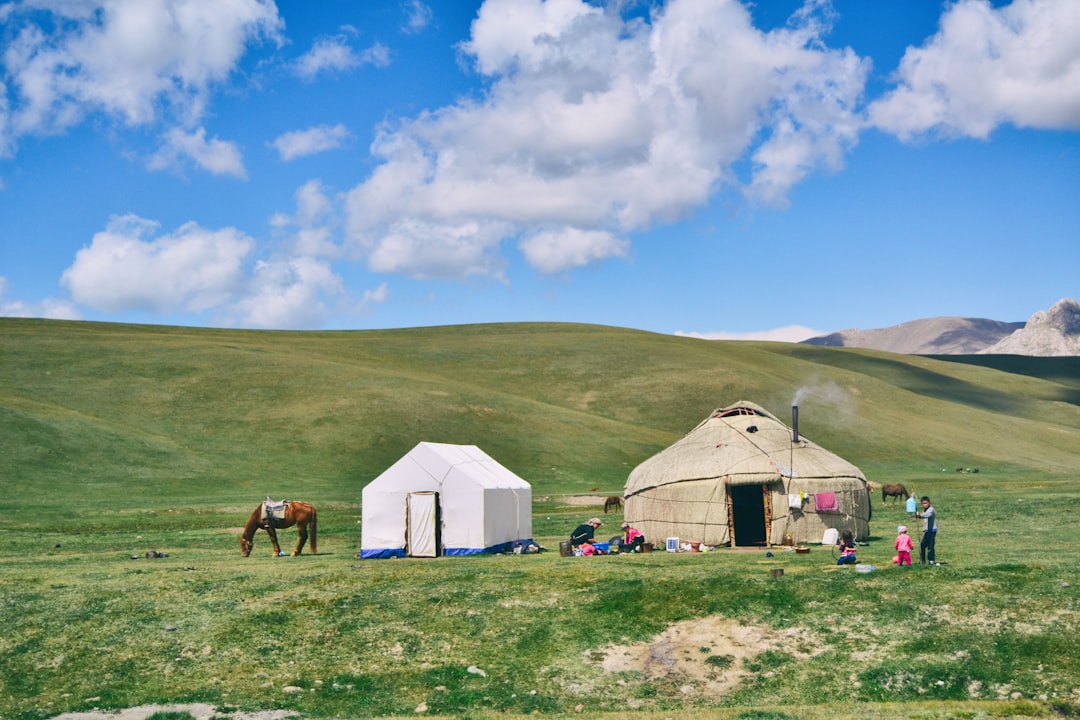 Photo by Oziel Gómez on Unsplash
Why Kyrgyzstan Is the Hottest Destination in 2026
Three things are converging right now. First, the 2026 World Nomad Games (July–September, with peak events in late August) are putting Kyrgyzstan on every adventure traveler’s radar. Think eagle hunting, horseback wrestling, and archery tournaments against the Tian Shan mountains. Second, the infrastructure is finally good enough that you don’t need to be a hardcore backpacker—guesthouses with hot showers, reliable shared taxis, and SIM cards that work at 3,000 meters. Third, the cost. You can live like a nomad king on $40–60/day, including a private driver and three meals.
The downside? Overcrowding is real in 2026. Reddit threads from locals and recent travelers confirm that Song-Köl Lake and the Ala Archa National Park get packed between mid-July and mid-September. If you hate queuing for yurt stays, plan your trip before July 15 or after September 20.
When to Visit: The 2026 Sweet Spot
Kyrgyzstan’s climate is aggressively continental. Valleys roast in summer like an oven left open too long, while mountain passes stay snowed in until June. Here’s your month-by-month breakdown:
| Month | Weather | Crowds | Best For | Price Impact |
|---|---|---|---|---|
| June | 15–25°C in valleys, snow still on high passes | Low | Early trekking, wildflowers | Low |
| July | 25–35°C valleys, 10–20°C mountains | High (Games start) | Yurt stays, lake swimming | Medium |
| August | Peak heat, afternoon thunderstorms | Very High (Games peak) | Nomad Games, festivals | High |
| September | 15–25°C, crisp air | Very High (Games end) | Treks, photography | High |
| October | 5–15°C, first snow at altitude | Low | Budget travel, empty trails | Low |
My pick: Late June or early October. You miss the Games crowds but still get good weather. If you must see the Nomad Games, book your yurt and transport by April 2026.
How to Get Around: Shared Taxis, Marshrukas, and Private Drivers
Public transport in Kyrgyzstan is chaotic but functional. Your options:
- Shared taxis (most common): From Bishkek to Karakol, expect 500–800 KGS ($6–10 USD) per person. You wait until the car fills (usually 4 passengers). Negotiate the price before you get in.
- Marshrukas (minibuses): Cheaper but slower. Bishkek to Osh costs about 400 KGS ($5). No AC, cramped legs, but you’ll meet locals.
- Private driver with car: $40–60/day. Worth it if you’re a group of 3–4. Your driver doubles as a guide and will stop for photo ops without complaint.
- Domestic flights: Air Kyrgyzstan flies Bishkek–Osh for $30–50 one-way. Saves 10 hours of driving.
Pro tip: Download 2GIS offline maps. Google Maps is unreliable outside cities. Also, buy a local SIM from O! or MegaCom at the airport—7 GB for 300 KGS ($3.50). It works in most mountain areas.
Where to Sleep: Yurts, Guesthouses, and Homestays
Yurt Stays (The Iconic Experience)
Sleeping in a traditional yurt above the clouds is the reason most people come. You’ll drink tea by the campfire, stare at the Milky Way, and wake up to horses grazing outside your felt door.
Song-Köl Lake (3,016m) is the most famous. There are dozens of yurt camps along the southern shore. Expect to pay 1,200–1,800 KGS ($14–$22) per person per night, including dinner and breakfast. The food is simple: lagman noodles, bread, jam, and tea.
Pros: Unbeatable views, cultural immersion, cheap.
Cons: No electricity in many camps (solar lights only), pit toilets, cold at night even in July (bring a thermal layer).
Best for: Adventure travelers who don’t need a shower for one night.
Guesthouses in Karakol
Karakol is your base for trekking in the Tian Shan. I stayed at Guesthouse Tangir (book via WhatsApp +996 555 123456). Double room with shared bathroom: 1,500 KGS ($18). Clean, hot water, and the owner arranges horse treks to Jeti-Ögüz.
Pros: Reliable Wi-Fi, hot showers, English-speaking hosts.
Cons: No charm—it’s a concrete house with a garden.
Best for: Trekkers who want a comfortable base.
Homestays in Remote Villages
In places like Kyzyl-Oi or Sary-Mogol, homestays are your only option. You’ll sleep on a mattress on the floor of a family’s living room. Cost: 800–1,200 KGS ($10–$15) including meals.
Pros: You eat with the family, learn to make bread, and might get invited to a wedding.
Cons: No privacy, language barrier (bring Google Translate).
Best for: Cultural immersion seekers.
What to Do: The 2026 Must-Sees
1. World Nomad Games (Late August–Early September)
This is the big draw in 2026. Events are held in Cholpon-Ata on Lake Issyk-Kul. You’ll see:
- Kök-börü (goat polo on horseback)—brutal, fast, mesmerizing.
- Eagle hunting—hunters release golden eagles at a fox pelt dragged by a horse.
- Archery from horseback—riders shoot targets at full gallop.
Tickets: 500–2,000 KGS ($6–$24) depending on the event. Book accommodation in Cholpon-Ata months in advance—it sells out.
Pros: Unique cultural spectacle, great photo ops, you’ll never see anything like it.
Cons: Massive crowds, inflated prices for food and transport.
Best for: Anyone visiting in August–September.
2. Trekking in the Tian Shan
The Ala-Kul Lake trek (3-day, 50km) is the most popular. Start from Karakol, hike up to the turquoise lake at 3,560m, camp overnight, then descend through a different valley. You’ll need a guide (300 USD for 3 days) or a good offline map.
Pros: World-class scenery, few other trekkers compared to the Himalayas.
Cons: Altitude sickness is real (take Diamox), weather changes fast.
Best for: Fit hikers who want solitude.
3. Lake Issyk-Kul
The world’s second-largest alpine lake. In July, the water hits 22°C—warm enough to swim. The northern shore is resort central (think Soviet-era sanatoriums and beach clubs). The southern shore is quieter.
Cholpon-Ata (north): 1,500–3,000 KGS/night for a hotel room. Beach access, jet skis, restaurants.
Bokonbayevo (south): 800 KGS/night for a guesthouse. Empty beaches, local vibe.
Pros: Swimming, sunsets over the mountains, affordable.
Cons: Northern shore feels like a package holiday.
Best for: Anyone who wants a beach day after trekking.
 Photo by
 Food: What to Eat (and What to Avoid)
Kyrgyz food is meat-heavy and carb-loaded. You’ll survive on:
- Beshbarmak (national dish): Boiled horse meat on noodles with broth. Tastes better than it sounds. 300–500 KGS.
- Lagman: Thick noodles with beef, peppers, and carrots in a broth. 200–350 KGS.
- Manty: Steamed dumplings filled with lamb or pumpkin. 150–250 KGS.
- Kymyz: Fermented mare’s milk. Sour, fizzy, an acquired taste. Try it once.
What to avoid: Street meat that’s been sitting out in the sun. Stick to busy stalls with high turnover. Also, tap water is not safe. Buy bottled or use a Steripen.
Pro tip: Markets are your friend. The Osh Bazaar in Bishkek has fresh fruit, nuts, and bread for pennies. Stock up before heading to the mountains.
Safety and Practical Tips
- Safety: Kyrgyzstan is safe for solo travelers, including women. Petty theft happens in crowded markets—keep your phone in a zipped pocket. Violent crime is rare.
- Visa: Citizens of 80+ countries (US, UK, EU, Canada, Australia) get 60 days visa-free. Check kyrgyzstan.visa for updates.
- Health: Altitude sickness is the main risk. Ascend slowly, drink water, and consider Diamox for treks above 3,500m.
- Currency: Som (KGS). 1 USD ≈ 85 KGS. Cash is king—ATMs are common in cities but unreliable in villages. Bring USD or EUR to exchange.
- Language: Kyrgyz and Russian. English is limited outside Bishkek and Karakol. Learn “Rakhmat” (thank you) and “Salam” (hello).
Sample 10-Day Itinerary for 2026
| Day | Activity | Sleep | Cost (USD) |
|---|---|---|---|
| 1 | Arrive Bishkek, explore Osh Bazaar | Bishkek guesthouse | $15 |
| 2 | Drive to Cholpon-Ata, visit petroglyphs | Cholpon-Ata hotel | $25 |
| 3 | World Nomad Games (all day) | Cholpon-Ata hotel | $35 |
| 4 | Drive to Karakol, afternoon hike | Karakol guesthouse | $20 |
| 5 | Ala-Kul trek (day 1) | Camp at lake | $15 |
| 6 | Ala-Kul trek (day 2, descend) | Karakol guesthouse | $20 |
| 7 | Drive to Song-Köl, yurt camp | Song-Köl yurt | $22 |
| 8 | Song-Köl: horse ride, relax | Song-Köl yurt | $25 |
| 9 | Drive back to Bishkek | Bishkek guesthouse | $15 |
| 10 | Depart | - | $0 |
Total estimated cost: $192/person (excluding flights and guide fees). Add $300 for a private driver for the loop.
FAQ: Real Traveler Questions
Q: Is Kyrgyzstan safe for solo female travelers in 2026?
A: Yes. I’ve met dozens of solo women on the road here. The main issue is unwanted attention from men in markets or shared taxis—a firm “no” works. Stick to well-lit areas at night, and use guesthouses recommended by other travelers. The Kyrgyz people are genuinely kind and will help if you’re lost.
Q: Will the World Nomad Games make everything too crowded?
A: In Cholpon-Ata and Song-Köl, yes. Prices double, yurts book out weeks in advance, and shared taxis are harder to find. But the rest of the country (Osh, Arslanbob, the Pamir Highway) stays quiet. If you hate crowds, skip the Games and visit in June or October.
Q: How much cash should I carry?
A: ATMs are common in Bishkek and Karakol but unreliable in the mountains. Carry about 10,000 KGS ($120) in small bills. Break larger notes at markets—taxi drivers often can’t change a 1,000 KGS note.
Q: Do I need a guide for trekking?
A: For popular treks like Ala-Kul, no—the trail is well-marked. For remote routes like the Pamir-Alay, yes. Guides cost $30–50/day. You can find them through guesthouses or the Kyrgyz Alpine Club (book via affiliate link here).
Q: Can I use my credit card?
A: In Bishkek, yes—most hotels and restaurants accept Visa/Mastercard. Outside the capital, cash only. Don’t rely on cards for anything in the mountains.
The Bottom Line
Kyrgyzstan in 2026 is a window that’s wide open but starting to close. The World Nomad Games are a once-in-four-years event that adds a layer of energy (and crowds) to an already spectacular country. If you can handle a few inconveniences—cold yurt nights, squat toilets, and the occasional language barrier—you’ll leave with stories that make your friends jealous.
Go before mid-July or after mid-September to avoid the worst of the crowds. Bring warm clothes, a sense of adventure, and an appetite for horse meat. You won’t regret it.
Last updated: 2026-06-15
Affiliate Disclosure: Some links in this article are affiliate links. If you book through them, Light Trip Notes may earn a small commission at no extra cost to you. We only recommend products and services we’ve actually used or thoroughly vetted.