You want the honest truth about Kyrgyzstan in 2026? It’s the last place in Central Asia that hasn’t been ruined by mass tourism, and the window is closing. While the crowds are flooding into Uzbekistan’s Registan and Georgia’s Kazbegi, Kyrgyzstan offers 90% of that alpine magic at 50% of the cost, with yurt stays that cost less than a hostel dorm in Western Europe. The infrastructure is better than it has ever been—new paved roads to Song-Kul, e-visas that take 3 days, and a tourism board that finally realized the world wants to see their mountains. If you are looking for raw, unpolished adventure, this is your year to go.
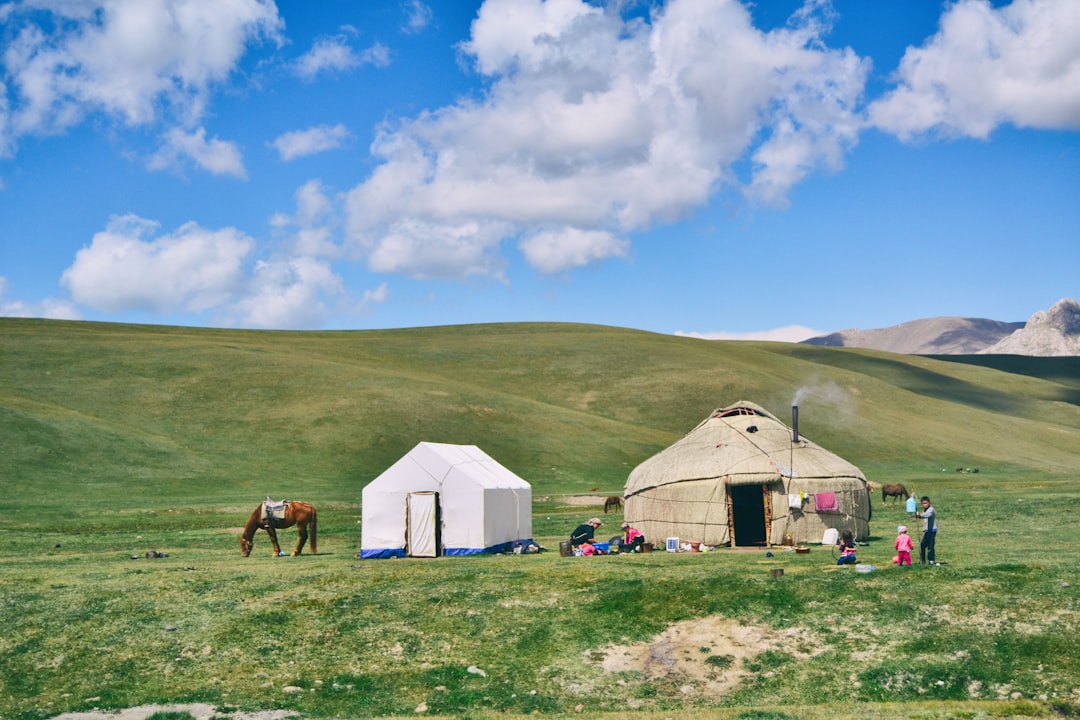 Photo by Oziel Gómez on Unsplash
The 2026 Reality Check: Why Now?
Kyrgyzstan is trending for a specific reason: it solves the “over-tourism” problem that plagues every other mountain destination. In 2025, the government launched a massive infrastructure push, specifically targeting the accessibility of Lake Song-Kul and the Jyrgalan Valley. The result is that you can now reach remote nomad camps in a 4x4 instead of a 6-hour horse trek, but the culture remains stubbornly authentic.
The other factor is cost. With the global economy wobbling in 2026, travelers are looking for the biggest bang for their buck. A week in the Swiss Alps will run you $2,000. A week in the Kyrgyz Ala-Archu range, with a guide, meals, and lodging, will cost you under $600. The currency (the Som) has remained stable against the dollar, making budgeting easy. You get the same glacial valleys and snow-capped peaks, but you are paying for the experience, not the brand name.
Visas, Bureaucracy, and Getting In (2026 Rules)
Let’s cut through the red tape immediately. Visa: Citizens of 80+ countries (including the US, UK, EU, Canada, and Australia) do not need a visa for stays up to 60 days. If you aren’t on that list, the e-visa system is efficient—apply at least 3 business days in advance, pay the $50 fee, and you are done. No invitation letters, no hotel confirmations required at the border.
Flights: You will fly into Manas International Airport (FRU) in Bishkek. In 2026, there are new direct routes from Istanbul, Dubai, and Delhi, which has cut flight times significantly. From the US, expect to connect through Europe or the Gulf; a round-trip from New York runs roughly $900–$1,200 if booked two months out.
Getting Around: Do not rent a car unless you are a rally driver. The roads are the wild west. Instead, use the Marshrutka (shared van) system for intercity travel—Bishkek to Karakol costs about 500 Som ($5.50). For the mountain passes, you need a private 4x4 driver. A full-day hire with a driver who knows the switchbacks costs $60–$80. It is the best money you will spend.
The Big Comparison: Song-Kul vs. Issyk-Kul vs. Jyrgalan
This is the eternal question. Where do you spend your limited time? Here is the no-nonsense breakdown for 2026.
| Feature | Song-Kul Lake | Issyk-Kul Lake | Jyrgalan Valley |
|---|---|---|---|
| Vibe | Remote, Nomadic, Pristine | Resort, Beach, Social | Adventure, Hiking, Off-grid |
| Altitude | 3,016m (High risk of altitude sickness) | 1,607m (Comfortable) | 2,300m (Moderate) |
| Main Activity | Yurt stays, Horseback riding, Stargazing | Swimming, Sunbathing, Watersports | Skiing (winter), Trekking (summer) |
| Accessibility (2026) | 4 hours from Bishkek (new paved road to the pass) | 4 hours from Bishkek (Highway A365) | 7 hours from Bishkek / 1.5 from Karakol |
| Tourism Level | Low, but rising fast | High (Domestic tourists) | Very Low, Backpacker only |
| Cost per day | $30–$40 | $50–$80 | $25–$35 |
| Best For | The purist seeking silence | Families and digital nomads | The hiker who wants solitude |
The Verdict: If you have 10 days, do Issyk-Kul for the logistics and Song-Kul for the soul. Jyrgalan is only worth the long drive if you are a serious trekker or visiting between December and March for the ski touring.
Yurt Stays: The Non-Negotiable Experience
You cannot go to Kyrgyzstan and sleep in a hotel the whole time. That is like going to Paris and eating at McDonald’s. The yurt stay is the heart of the trip. In 2026, the standard has gone up. You are no longer sleeping on a thin mat on the floor; many camps now offer raised beds with duvets, solar lighting, and proper composting toilets.
Where to book: Do not book online in advance for the small camps. Just show up. The nomads who run the camps at Song-Kul are organized. A night costs 1,000–1,500 Som ($11–$16) per person, which usually includes dinner (laghman noodles or shashlik) and breakfast (fresh bread, jam, and tea).
The Pro Move: Pay a little extra (2,000 Som/$22) for a “family yurt” if you are two people. The standard yurts are communal, which is great for solo travelers but can be a snoring lottery. Bring a sleeping bag liner—hygiene standards vary, and the duvets can be heavy.
The Experience: You will be offered a horse ride to the nearby hills. Negotiate the price before you mount. It should be 500 Som ($5.50) per hour, not per “trip.” The sunset over the water, with the Tien Shan mountains turning pink, is the single best free show in Central Asia.
The 7-Day Itinerary: The Sweet Spot
You don’t need a month to get the essence. Here is the exact itinerary I recommend to friends, optimized for 2026 road conditions and avoiding the worst of the tourist buses.
Day 1: Arrival & Bishkek Prep Land in Bishkek. Do not stay in the city center—it’s noisy. Grab a room at the Nomad’s Home guesthouse (about $20/night). Spend the afternoon at Osh Bazaar buying snacks and a SIM card (O! or Beeline, 10GB for $5). Visit the State History Museum to get context on the Soviet era and nomadic history.
Day 2: Ala-Archa National Park Drive 45 minutes south of the city. This is your acclimatization hike. Walk the Ak-Sai waterfall trail (3 hours round trip). The altitude here is 2,200m, which preps your lungs for the high passes. Entry is 100 Som ($1).
Day 3: The Drive to Song-Kul Hire your 4x4 driver for the 4-hour journey to Lake Song-Kul (3,016m). The pass is windy, and the last 20km is unpaved. Stop at the top of the 33-parallel pass for photos. Arrive at the yurt camps by late afternoon. Drink plenty of water; the altitude headache is real.
Day 4: Song-Kul Exploration Wake up to the sound of sheep bells. Ride horses to the eastern shore (2 hours). Visit a local family to see how they make kymyz (fermented mare’s milk). Drink it. It’s an acquired taste, but it’s the local probiotic. Sleep early; the stars are incredible.
Day 5: Karakol City Drive 6 hours to Karakol (the adventure capital). Check into the Green Yard hostel ($10/night). Visit the Dungan Mosque (wooden, no nails) and the Russian Orthodox Cathedral. These are two architectural gems that show the region’s diversity.
Day 6: Jeti-Oguz Valley Just 30 minutes from Karakol. The “Seven Bulls” red rock formation is the backdrop for some of the best short hikes in the country. Do the 5km hike to the Broken Heart rock. This is a half-day trip, leaving you time to relax in the hot springs at Altyn-Arashan (a bumpy 4x4 ride away, but worth it for the soak).
Day 7: Fly Out Drive back to Bishkek (6 hours) or catch a domestic flight from Issyk-Kul International Airport (IKU) if you are heading to Kazakhstan. Budget a full day for this; the road is long but paved all the way.
 Photo by
 Budget Breakdown: What It Actually Costs
Let’s talk numbers. The exchange rate is roughly 85 Kyrgyz Som (KGS) to 1 USD. Here is the realistic daily budget.
- Budget Traveler (Hostels, Marshrutka, Street food): $30–$40/day. You can do it, but you will skip the horse rides and private transfers.
- Mid-Range (Private rooms, 4x4 hire, sit-down restaurants): $60–$80/day. This is the sweet spot for comfort and experience.
- Luxury (Boutique hotels, private guides, helicopter transfers): $150+/day. The infrastructure for true luxury is limited, but the Bel-Tam yurt camp near Issyk-Kul offers glamping with private bathrooms for $120/night.
Specific Costs:
- Meal: A bowl of Laghman (noodles with beef and veggies) at a local cafe: 200 Som ($2.20). A steak dinner in Bishkek: 600 Som ($7).
- Beer: A local Arpa or Shmelnoye lager: 80 Som ($0.90).
- Museum Entry: 50–150 Som ($0.50–$1.50).
- Private Transfer (Bishkek to Karakol): 6,000 Som ($70) for the whole car.
The Cultural Etiquette Guide
The Kyrgyz are famously hospitable, but there are rules. Tea: When tea is poured, the host pours a little into your bowl first. Do not drink it until they refill it. That first bit is for rinsing or testing the temperature. Bread: Never place bread upside down. It is considered disrespectful to the food. Shoes: Take them off immediately when entering any home or yurt.
Horses: They are sacred to the nomadic culture. Do not approach a horse from behind without speaking to it. If you are invited to a tamada (a feast), bring a small gift—chocolates or pastries from the local market work perfectly.
FAQ: Real Traveler Questions
1. Is Kyrgyzstan safe for solo female travelers in 2026? Yes, statistically it is very safe. Violent crime against tourists is rare. However, you will face persistent curiosity and sometimes staring, especially in rural areas. Dress modestly (cover shoulders and knees) when not in tourist hubs. In yurt camps, you will be placed with other women or families. The biggest risk is not crime, but the lack of infrastructure—let someone know your trekking route.
2. Do I need to speak Russian or Kyrgyz? You need basic Russian. English is spoken in Bishkek and at high-end guesthouses, but in the mountains, you will be lost without it. Learn key phrases: “Skolko stoit?” (How much?), “Spasibo” (Thank you), and “Gde tualet?” (Where is the toilet?). Download the Google Translate app with offline packs for Russian.
3. What is the best time to visit in 2026? For summer trekking and yurt stays, July and August are peak. The passes are clear of snow, and the alpine flowers are blooming. If you want to avoid the crowds (though “crowds” is relative), go in mid-June or early September. The weather is still good, but the nomads are less busy. For skiing, December to February is prime.
4. How bad is the altitude sickness at Song-Kul? It is a real concern. At 3,016m, you are high. If you fly into Bishkek (800m) and drive straight up, you will feel it. The symptoms are headaches and fatigue. The cure is hydration and time. I recommend spending a night in Bishkek first and doing the Ala-Archa hike (2,200m) to acclimatize. Do not plan any strenuous activity for your first 12 hours at Song-Kul.
5. Can I use my credit card, or do I need cash? You need cash. In Bishkek, most restaurants and supermarkets take Visa/Mastercard. In Karakol, some guesthouses do. But in the yurt camps and the bazaars, it is cash only. ATMs are plentiful in Bishkek and Karakol but scarce in the mountains. Withdraw 15,000 Som ($175) when you arrive and split it up.
The Packing List: The 2026 Essentials
Skip the jeans; they are useless here. Pack layers. The temperature swings from 25°C (77°F) during the day to 5°C (41°F) at night in the mountains.
- Waterproof Hiking Boots: The trails are often covered in horse manure and mud. You need grip.
- A Down Jacket: Even in summer, the evenings at Song-Kul are freezing.
- A Power Bank: Electricity in yurt camps is limited to solar panels, which don’t work at night.
- Earplugs: The wind howls across the lake, and the dogs bark all night.
- Toilet Paper: Always carry it. Public restrooms are a hole in the ground with no paper.
Final Word: The Hidden Gem of 2026
Kyrgyzstan is not a polished tourist destination, and that is exactly why you should go. You will have moments of frustration—the Wi-Fi will drop, the marshrutka will leave early, and the meat might be tougher than you like. But you will also have moments of absolute transcendence: galloping a horse across a high-altitude plateau, drinking tea with a family that has lived in a yurt for generations, and feeling like you are the only person on earth.
This is your window. The flights are affordable, the borders are open, and the infrastructure is finally catching up to the scenery. Go before the secret gets out completely.
Disclaimer: This article contains affiliate links. If you purchase through these links, we may earn a commission at no extra cost to you. This helps keep our content free. We only recommend products and services we have personally vetted.
Last updated: 2026-07-31