The best way to experience Guatemala’s Lake Atitlán is to pick a home base in one of its distinct lakeside villages and explore the rest by boat. You’ll find boutique hotels, deep Mayan culture, and adventure set against a backdrop of three volcanoes. It’s trending now because savvy travelers are swapping the high costs of Europe for its equally stunning, more affordable, and culturally immersive counterpart.
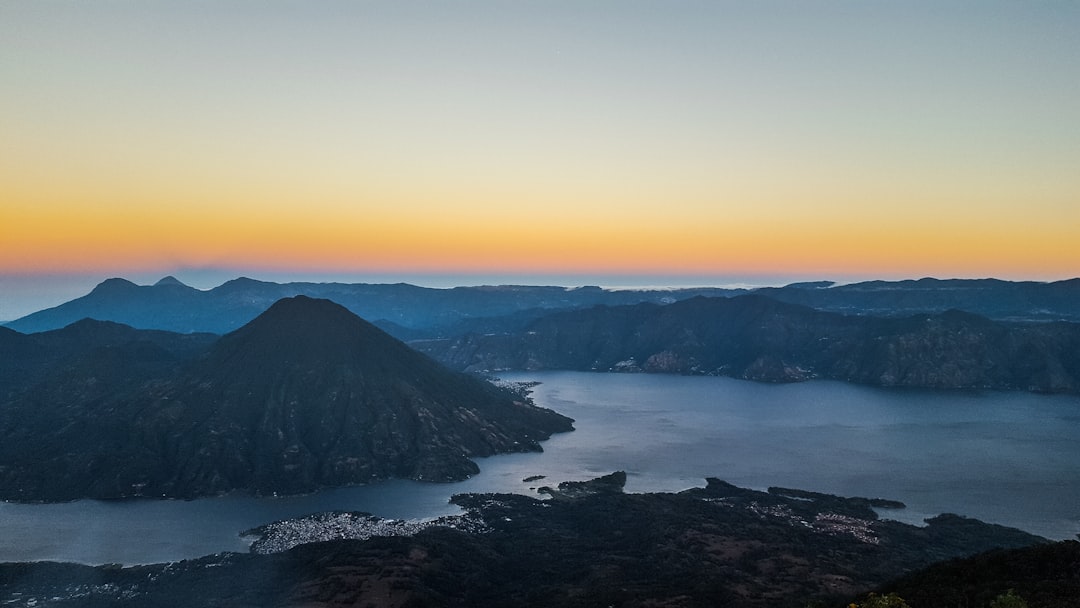 Photo by Fernando Pérez on Unsplash
Why Lake Atitlán is the “Lake Como of Central America” for 2026
The comparison isn’t just marketing. Like Italy’s Lake Como, Atitlán is a breathtaking alpine lake surrounded by picturesque towns. But the similarities largely end there. Atitlán is a volcanic caldera, its waters a mesmerizing blue-green. Its shores are dotted with indigenous Maya villages, each with its own textile tradition and personality, rather than Italian villas.
The cost difference is staggering. A luxury hotel in Como can easily run €800 per night. At Atitlán, you can find a stunning boutique room with volcano views for under $150. A three-course dinner for two with wine might cost $40. This value, combined with the raw natural beauty and authentic culture, is why it’s gone viral on travel platforms. For 2026, it remains a top destination for travelers seeking depth over just luxury.
Navigating the Villages: Your Home Base Guide
You don’t just visit Lake Atitlán; you visit Panajachel, San Pedro, or San Marcos. Each village has a unique vibe. Your choice defines your trip.
Panajachel (Pana): The main gateway. It’s bustling, with the most services (ATMs, pharmacies, tour operators). Calle Santander is the main tourist street for shopping and cafes. It’s best for first-timers, those who want convenience, or travelers using it as a base for day trips elsewhere. It’s less quiet and “authentic” than other villages.
San Pedro La Laguna: The backpacker and digital nomad hub. You’ll find the cheapest hostels ($10/night), lively bars, Spanish schools, and a strong local vibe in the tianguis (market). It’s the place for socializing, budget travel, and accessing the San Pedro volcano trail. It can be noisy and is less polished.
San Marcos La Laguna: The holistic center. Think yoga retreats, meditation centers, vegan cafes, and sound healing ceremonies. It’s tranquil, pedestrian-friendly, and attracts a wellness-focused crowd. It’s less focused on Maya culture and nightlife is virtually non-existent. Perfect for a reset.
Santa Cruz La Laguna: The secluded adventurer. Accessible mainly by boat, it’s quiet and scenic. It’s home to some higher-end eco-lodges and is the launching point for kayaking and scuba diving in the lake. You’ll need to be okay with limited amenities and planning meals around your hotel.
Santiago Atitlán: The cultural heart. The largest Maya town on the lake, it’s famous for the cult of Maximón, a folk saint. The textile market is exceptional. It’s a raw, real look at Tz’utujil Maya life. It’s less about tourist comforts and more about a profound cultural experience.
| Village | Vibe | Best For | Avg. Hotel Price (Night) |
|---|---|---|---|
| Panajachel | Bustling Gateway | First-timers, Convenience | $50 - $200 |
| San Pedro | Lively Backpacker | Budget Travel, Socializing, Hiking | $10 - $80 |
| San Marcos | Holistic Wellness | Yoga, Meditation, Quiet | $40 - $150 |
| Santa Cruz | Secluded Adventure | Kayaking, Diving, Eco-Lodges | $80 - $250 |
| Santiago | Cultural Immersion | Maya Traditions, Textiles | $30 - $100 |
Where to Stay: 2026’s Top Picks
Skip the generic hotels. Atitlán is about character. Here are specific places that deliver.
For Boutique Luxury: Casa Palopó. Perched on a hill above Panajachel, this Relais & Châteaux property offers Como-level style with Atitlán views. Infinity pools, gourmet dining, and impeccable service. A splurge that feels worth it. Expect to pay $350+ per night. Best for honeymooners or a special-occasion splurge. Book well ahead at AFFILIATE_LINK_[CASAPALOPO].
For Bohemian Chic: La Fortuna at Atitlán. In Santa Cruz, this collection of beautifully decorated cabañas sits right on the water. It’s intimate, romantic, and has an excellent restaurant. You’re away from the crowds but can boat anywhere. Rooms from $180/night. Perfect for couples seeking romance and serenity.
For the Social Adventurer: Mr. Mullet’s Hostel. In San Pedro, this isn’t your average hostel. It has a famous pizza restaurant, a lively bar, and organizes daily group activities like hikes and pub crawls. Dorms from $10, privates from $35. Ideal for solo travelers or friends wanting a built-in social scene.
For a Wellness Retreat: Eagle’s Nest Atitlán. Above San Marcos, this center offers yoga retreats, workshops, and stunning lake-view cabins. You can book a cabin without doing a retreat. Prices vary, but a 3-day yoga retreat with accommodation and meals starts around $300. It’s for anyone looking to disconnect and recharge.
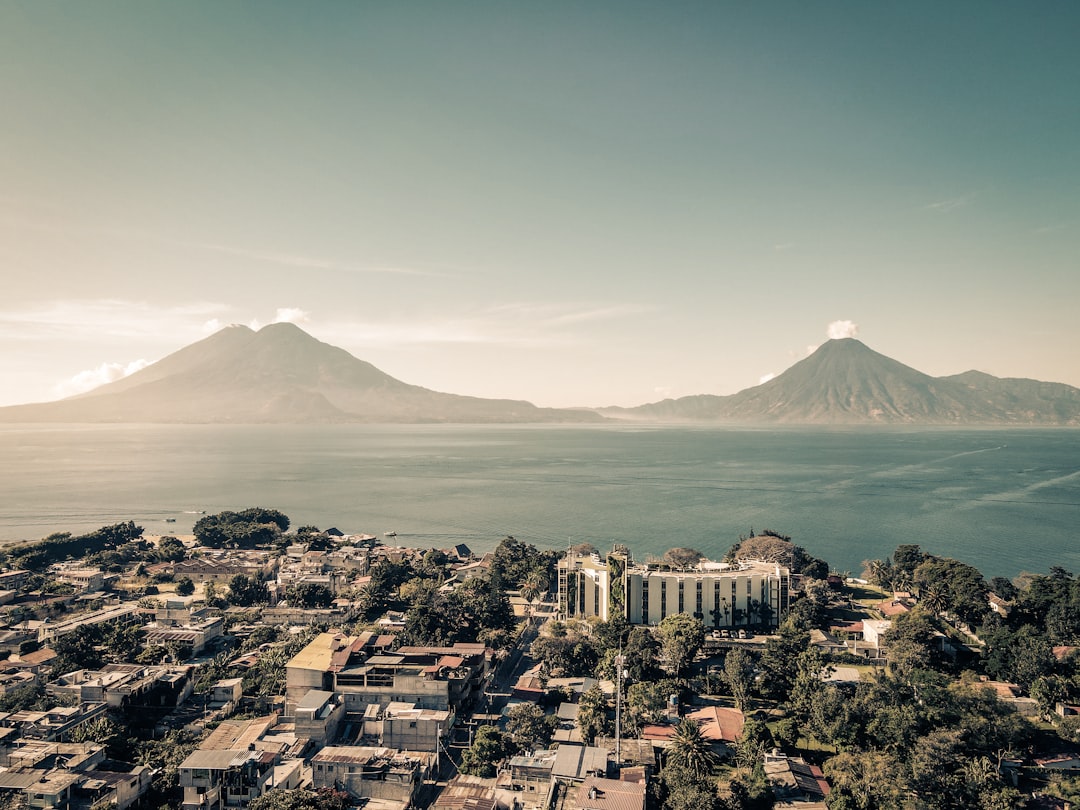 Photo by Christopher Garcia on Unsplash
What to Do: Beyond the Lake View
The view is the opener, not the whole show. These are the activities that make the trip.
1. Hike the San Pedro Volcano. This is the most accessible major hike. A local guide (mandatory, about Q200/$25) will lead you up the 3,020-meter (9,908 ft) volcano. The 4-5 hour round-trip trek is challenging but rewards you with panoramic views of the entire lake basin. Start at 5 AM to beat the heat. Best for moderately fit travelers.
2. Kayak at Sunrise. Renting a kayak (around Q50/$6 per hour) and paddling on the glassy morning water is magical. Launch from Santa Cruz or Jaibalito for the calmest conditions. You’ll see local fishermen in their traditional cayucas (dugout canoes). It’s peaceful and active.
3. Explore the Reserva Natural Atitlán. Near Panajachel, this private nature reserve has butterfly gardens, hanging bridges through the forest, and a series of waterfalls you can swim in. Entry is Q80/$10. It’s a great family-friendly activity for a half-day.
4. Take a Maya Weaving Workshop. In San Juan La Laguna, cooperatives like Lema’ offer workshops where you learn backstrap weaving from local artists. A 2-3 hour session costs about Q150/$19. You support the community directly and leave with a deeper understanding and a handmade souvenir.
5. Ride the Chicken Buses to Chichicastenango. If you’re there on a Thursday or Sunday, take the legendary chicken bus (about Q25/$3 each way) to the market in “Chichi.” It’s a vibrant, overwhelming spectacle of color and commerce. It’s a full-day, intense cultural immersion. Not for the faint of heart.
Practical Logistics for 2026
Getting There: Most fly into Guatemala City (GUA). From there, take a pre-booked shuttle directly to Panajachel (3-3.5 hours, ~$25-30 per person) via a service like GuateGo AFFILIATE_LINK_[GUATEGO_SHUTTLE]. Public buses are much cheaper but slower and more complex.
Getting Around: Lanchas (public motorboats) are the lake’s highway. Fares between villages range from Q10-25 ($1.25-$3). They run from about 7 AM to 7 PM. Always agree on the price before boarding. Tuk-tuks rule the roads within villages.
Money: Carry cash (Guatemalan Quetzales). ATMs are reliable only in Panajachel and San Pedro. Many smaller hotels and restaurants do not accept credit cards.
Safety: Lake Atitlán is generally safe for tourists. Standard precautions apply: don’t walk alone at night in isolated areas, don’t flash valuables, and be aware of your surroundings. Water safety is key—the lake can get choppy in the afternoon; wear a life jacket in boats.
Current Entry Requirements (2026): As of this update, Guatemala is open to all travelers. No proof of vaccination or testing is required. Always check the latest from your home country’s travel advisory a few weeks before departure.
Frequently Asked Questions (FAQ)
Is Lake Atitlán safe for solo female travelers? Yes, it’s a popular destination for solo travelers. Stay in well-reviewed hostels or guesthouses in San Pedro or San Marcos to meet others. Use common sense: avoid isolated paths after dark, and take registered tourist boats. The overall vibe is welcoming.
How many days do I need? A minimum of three full days. This gives you one day to settle in, one for a major activity (like a volcano hike), and one for village-hopping by boat. A week allows you to truly unwind and dive deeper into workshops or multiple hikes.
What’s the deal with the algae blooms? Cyanobacteria blooms (visible as green scum) can occur, primarily in the dry season (Nov-Apr). They are patchy and some bays are more affected than others. They don’t cover the whole lake. Villages like San Marcos and Santa Cruz often have clearer water. It’s still safe for activities like kayaking, but you may want to avoid swimming in affected areas.
Can I drink the tap water? No. Drink only bottled or purified water. Most hotels and restaurants provide agua pura. Use it for brushing your teeth as well.
Do I need to speak Spanish? It helps immensely, but you can get by with basics. In tourist areas of Pana, San Pedro, and San Marcos, you’ll find English speakers. In Santiago or smaller villages, very little English is spoken. Learning a few phrases (please, thank you, how much) is respectful and practical.
Lake Atitlán isn’t a cheaper copy of Lake Como. It’s a powerful, authentic destination that stands firmly on its own. You come for the volcano-framed beauty, but you leave remembering the warmth of the people, the richness of the culture, and the feeling of having experienced something real. For 2026, it remains one of travel’s best values and most rewarding adventures.
This article contains affiliate links. If you book a stay or activity through our links, we may earn a small commission at no extra cost to you. This helps support our site and allows us to continue providing detailed guides. We only recommend services and properties we genuinely believe in.
Last updated: 2026-04-08