No, it is not currently safe for tourists to visit Manipur, India. As of March 27, 2026, the Government of Canada explicitly advises against all non-essential travel to the state due to ongoing ethnic violence and civil unrest. This advisory is active and relevant right now.
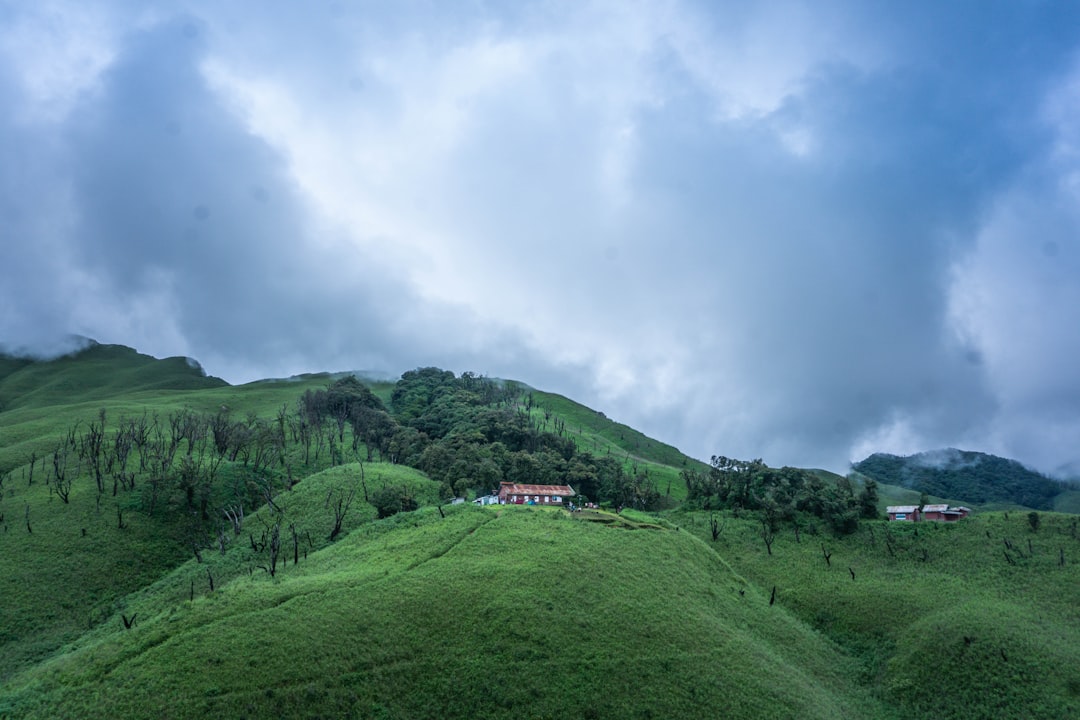 Photo by Nilotpal Kalita on Unsplash
The warning is stark: “Avoid non-essential travel to Manipur.” This is a Level 3 advisory on Canada’s four-level scale. It cites clashes between the Meitei and Kuki communities, which have led to significant violence, displacement, and a volatile security situation. While the broader tapestry of India remains a magnificent destination, this specific thread is frayed and dangerous for visitors.
This guide will dissect the official advisory, explore why Manipur was gaining attention before the conflict, and provide you with clear, safe, and spectacular alternatives for your 2026 India adventure.
Understanding Canada’s Official Travel Advisory for Manipur
The travel advisory system is your most critical pre-trip research tool. For India, the picture is nuanced. The country as a whole has a “Exercise a high degree of caution” (Level 2) advisory, similar to many popular destinations. However, regional advisories are where the crucial details lie.
For Manipur, the advisory is more severe. The “Avoid non-essential travel” (Level 3) warning has been in place since 2023 and was reaffirmed on March 27, 2026. This isn’t a generic caution; it’s a specific recommendation based on persistent instability.
The primary risks identified are:
- Ethnic and communal violence: Armed clashes between the Meitei and Kuki communities.
- Civil unrest: Protests, blockades (bandhs), and strikes that can erupt without warning.
- Internet and communication shutdowns: Authorities frequently impose these to control information flow, leaving you isolated.
- Unpredictable movement: Curfews and restrictions on travel between districts are common.
The advisory also extends to other regions. It advises against all travel to areas within 10 km of the border with Pakistan (in Gujarat, Punjab, and Rajasthan) and maintains the “avoid non-essential travel” warning for Jammu and Kashmir, and certain remote areas in the northeast. Always check the official Travel.gc.ca page for the latest, as updates can happen at any time.
Why Was Manipur on the Travel Radar?
Before the conflict escalated in 2023, Manipur was a rising star for intrepid travelers, often dubbed “Canada’s Newest Hotspot” in niche travel circles. Its appeal was, and hopefully will be again, undeniable.
It’s known as the “Jewel of India” for its stunning natural beauty: lush, rolling hills, serene Loktak Lake (famous for its floating phumdis), and dense forests. Culturally, it’s a powerhouse. It’s the birthplace of Polo and home to the classical Manipuri dance form, a world away from the typical Rajasthan-centric itinerary. The Ima Keithel (Mothers’ Market) in Imphal, run entirely by women, is a unique sociological and shopping experience. For the adventurous, trekking in the surrounding hills offered untouched paths.
This unique blend of culture and landscape made it a compelling destination for travelers seeking an authentic, off-the-beaten-path Indian experience. The current advisory, however, means that potential must be put on hold.
Safe & Spectacular Alternatives to Manipur in 2026
You can capture the spirit of what makes Manipur special—pristine nature, vibrant indigenous culture, and a sense of discovery—in other, safer parts of India. Here’s a comparison of the top alternatives.
| Destination | Best For | Pros | Cons | Estimated Daily Cost (CAD) |
|---|---|---|---|---|
| Meghalaya | Lush landscapes, living root bridges, monsoon magic. | Extremely safe, stunning waterfalls (Nohkalikai), unique Khasi culture, great road trips. | Can be very wet, remote areas have basic facilities. | $45 - $75 |
| Sikkim | Himalayan vistas, Buddhist monasteries, trekking. | Incredible mountain views (Kanchenjunga), rich Tibetan Buddhist heritage, clean and orderly. | Requires a Protected Area Permit (PAP), some high-altitude areas. | $50 - $90 |
| Kerala (Backwaters & Hills) | Relaxation, Ayurveda, serene waterways, tea estates. | Well-developed tourist infrastructure, diverse experiences, famously hospitable. | More touristy, can be humid in lowlands. | $55 - $100 |
| Himachal Pradesh (Spiti Valley) | High-altitude desert landscapes, ancient monasteries, adventure. | Otherworldly scenery, strong Buddhist culture, epic motorcycle routes. | Rugged, remote, limited season (May-Oct), altitude sickness risk. | $40 - $70 |
Meghalaya is arguably the top substitute. It offers the same emerald-green, rain-drenched hills. Hike to the incredible double-decker living root bridges in Nongriat, explore the vast cave systems, and witness the powerful waterfalls. The Khasi culture is matrilineal, offering a fascinating social structure. It’s perfect for nature photographers and hikers who want a manageable adventure. Book a guided tour to the root bridges via AFFILIATE_LINK_[GETYOURGUIDE_MEGHALAYA].
Sikkim delivers the Himalayan majesty and deep spiritual culture. The capital, Gangtok, is vibrant, while monasteries like Rumtek and Pemayangtse feel timeless. The trek to Dzongri or the drive to Gurudongmar Lake are unforgettable. It’s ideal for mountain lovers and culture seekers. You’ll need to organize your Inner Line Permit, which is often handled by local tour operators like AFFILIATE_LINK_[SIKKIM_TOUR_OPERATOR].
Kerala’s hill stations, like Munnar, provide lush greenery and tea estates, while the backwaters offer a completely unique, tranquil experience on a houseboat. The focus on wellness and Ayurveda is a bonus. This is best for travelers seeking comfort, relaxation, and a gentle introduction to India. A backwater houseboat stay for two starts around CAD $120 per night, including meals. Find options at AFFILIATE_LINK_[KERALA_HOUSEBOAT].
Spiti Valley in Himachal Pradesh is for the true adventurer. Its stark, high-altitude desert landscape, ancient villages like Kibber, and monasteries like Key and Tabo are profoundly moving. The journey there is part of the adventure. It’s best for seasoned travelers comfortable with basic amenities and long, bumpy rides. A shared taxi from Manali to Kaza costs roughly CAD $30 per person.
 Photo by
 If You Must Travel to Northeast India: Essential Safety Protocols
Perhaps your travel is essential—family, humanitarian work, or official business. If you must go to the northeastern region near Manipur, extreme caution is non-negotiable.
- Register with ROCA: Always register with the Registration of Canadians Abroad service. This allows the government to contact you in an emergency.
- Hire a Reputable Local Guide/Fixer: Do not travel independently. A trusted local guide from a registered company understands the ground realities, checkpoints, and community sensitivities. They are your most important safety asset. Expect to pay CAD $100-$200 per day for a reliable guide and driver.
- Maintain Extreme Flexibility: Your itinerary is not a promise. If a curfew is announced or a road is blocked, you stop. Have contingency funds and extra days built into your schedule.
- Communicate Proactively: Assume you will lose internet and mobile service. Share detailed daily plans with someone back home and a contact at your embassy. Use satellite messengers like a Garmin inReach (AFFILIATE_LINK_[GARMIN_INREACH]) for critical communication.
- Observe, Don’t Participate: Be hyper-aware of your surroundings. Avoid all demonstrations, large gatherings, and political discussions. Dress conservatively and keep a low profile.
Planning Your India Trip in 2026: A Safe Approach
For a fantastic and secure Indian holiday in 2026, follow this blueprint.
Start with the Government Advisories. Canada’s Travel.gc.ca page is your first stop. Read the entire India page, noting the regional warnings. Cross-reference with your travel insurance provider’s stance; many void coverage for travel to areas under a Level 3 or 4 advisory.
Choose Your Regions Wisely. The “Golden Triangle” (Delhi, Agra, Jaipur) is perennially popular and generally safe with standard precautions. Rajasthan offers incredible forts and culture. South India—Karnataka, Tamil Nadu, Kerala—is exceptionally welcoming and stable. The Himalayan states of Uttarakhand and Himachal (outside border zones) are superb for mountains.
Get the Right Insurance. Standard insurance won’t suffice. You need a policy that explicitly covers travel to countries with “Exercise high degree of caution” advisories. Look for comprehensive medical, evacuation, and trip interruption coverage. Companies like World Nomads (AFFILIATE_LINK_[WORLD_NOMADS_INSURANCE]) offer plans tailored for adventurous travel. A 3-week trip to India might cost CAD $150-$300 for a robust policy.
Book with Knowledgeable Operators. For complex itineraries or remote areas, use a reputable tour company with a physical presence in India. They have local intelligence you cannot get online. For a classic 14-day Golden Triangle and Rajasthan tour, expect to pay CAD $2,500-$4,000 per person for a good mid-range operator.
Frequently Asked Questions (FAQ)
Q: Has the Canadian advisory for Manipur changed recently? A: Yes, it was last updated on March 27, 2026. The update reaffirmed the “Avoid non-essential travel” (Level 3) advisory. It has been at this level since the conflict began in 2023.
Q: Can I get travel insurance if I go to a place with a Level 3 advisory? A: It is highly unlikely. Most insurers will not provide coverage for destinations where your government advises against non-essential travel. Any claim related to an incident in that area would almost certainly be denied. You would be traveling at your own extreme financial and personal risk.
Q: Are other parts of Northeast India safe, like Meghalaya or Nagaland? A: The situation varies by state. As of April 2026, Meghalaya and Sikkim do not have specific regional advisories beyond the nationwide “Exercise high degree of caution.” They are considered much safer and are fantastic alternatives. Nagaland and Assam have more complex situations; you must read the specific regional advisories on Travel.gc.ca for the latest.
Q: I have a layover in Delhi, but my final destination is safe. Is that okay? A: Absolutely. International airports like Delhi (DEL) and Mumbai (BOM) operate normally. The national Level 2 advisory means you should be vigilant about petty crime and scams in major cities, but transit is not affected by the regional warnings for Manipur or Jammu & Kashmir.
Q: How reliable is the information about unrest? Will I get trapped? A: In active conflict zones like Manipur, information can be suppressed via internet shutdowns. This is a key risk in the advisory. You could easily be unaware of a new flare-up and find roads closed or airports shut. This is a primary reason for the “avoid non-essential travel” warning.
India in 2026 remains one of the world’s most rewarding travel destinations. By respecting government advisories, choosing your regions intelligently, and preparing thoroughly, you can have an unforgettable and safe journey. The key is to swap the current risk of Manipur for the guaranteed riches of India’s many other jewels.
This article contains affiliate links. If you book a service or purchase a product through these links, we may earn a small commission at no extra cost to you. This helps support our work to provide you with honest, up-to-date travel advice. We only recommend products and services we trust.
Last updated: 2026-04-07