You need a visa for Nepal. You can get it on arrival, but the lines at Kathmandu’s Tribhuvan International Airport can take several hours. Applying online for an Electronic Travel Authorization (ETA) before you fly is the smartest move for 2026.
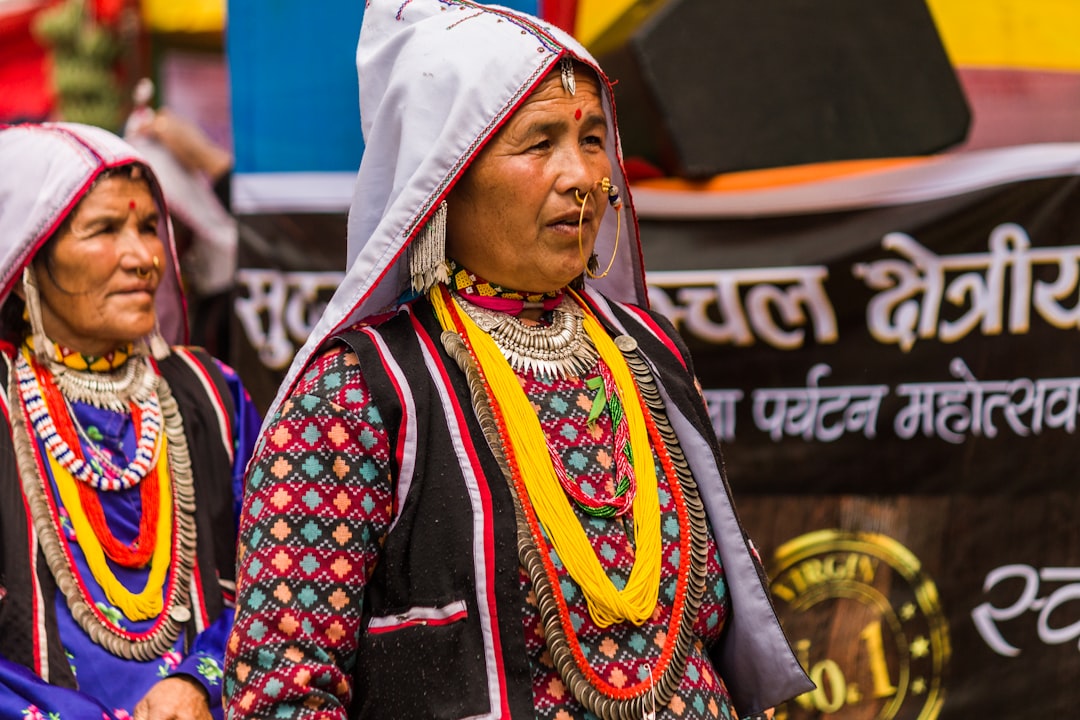 Photo by Sushanta Rokka on Unsplash
This guide cuts through the noise with the exact logistics, prices, and routes you need for a trip this year. We’ll cover the updated visa process, the itineraries gaining popularity right now, and a crucial piece of modern travel tech—getting a reliable eSIM before you land.
Navigating Nepal’s 2026 Visa & Entry Process
The visa-on-arrival system still operates, but it’s often a bottleneck. The U.S. Department of State advisory explicitly notes it “may take several hours.” For a smoother entry, the government’s online ETA system is your best bet.
You apply on the official Department of Immigration website, pay the fee online, and receive an approval letter via email. You present this letter at a dedicated, faster-moving line upon arrival to get your visa sticker. It turns a potential 2-3 hour wait into a 15-minute process.
Visa Fees for 2026:
- 15-day Tourist Visa: $30 USD
- 30-day Tourist Visa: $50 USD
- 90-day Tourist Visa: $125 USD
Pay in USD cash for on-arrival visas, as card machines can be unreliable. The ETA portal accepts major credit cards. Ensure your passport has at least six months’ validity and one completely blank visa page.
Your Connectivity Solution: eSIMs for the Himalayas
Forget hunting for a local SIM card vendor after a long flight. For travel in 2026, installing a Nepal-compatible eSIM on your phone before you depart is the single biggest upgrade to your arrival experience.
An eSIM is a digital SIM profile. You purchase it online, scan a QR code to install it, and you have data ready to go the moment you land. This means you can message home, check maps, or book a ride instantly.
Local SIM vs. Travel eSIM: A 2026 Comparison
| Feature | Local SIM (Ncell/NTC) | Regional Travel eSIM |
|---|---|---|
| Purchase Point | Airport kiosk or city shop (after arrival) | Online, before you depart (AFFILIATE_LINK_ESIM) |
| Activation | In-person, requires passport copy | Instant, via QR code scan |
| Coverage | Good in cities, variable on popular treks | Often uses multiple local networks for better reliability |
| Top-Up | Need to find scratch cards or agents | Managed via provider’s app |
| Best For | Long-term stays, budget-focused travelers | Short to medium trips, convenience, trekkers needing reliability |
Who should get a travel eSIM? Almost everyone on a typical 2-3 week itinerary. The convenience and immediate connectivity are worth the small premium. For a reliable option with good Himalayan coverage, consider providers like Airalo or Nomad. You can browse and purchase plans specific to Nepal or Asia AFFILIATE_LINK_ESIM.
Who might still prefer a local SIM? Travelers on a budget staying for months, or those who need a local number for extensive calls. A Ncell SIM with data package costs about 600 NPR ($4.50 USD) for a week.
Trending Itineraries for 2026: Beyond the Classic Trek
The Everest Base Camp and Annapurna Circuit remain iconic, but traveler patterns are shifting. Here are the routes gaining traction this year.
The 10-Day Langtang Valley & Tamang Heritage Trail This is the top alternative for those seeking deep culture and stunning peaks without the crowds or long flight to Lukla.
- Pros: Easily accessible from Kathmandu (7-8 hour drive), a compelling mix of Tibetan Tamang culture and mountain scenery, less expensive than major treks.
- Cons: The 2015 earthquake impacted the region, though rebuilding is largely complete; slightly lower peak altitudes than Everest/Annapurna.
- Best For: Culture enthusiasts, trekkers with limited time, and those wanting to support a recovering community.
The 14-Day Manaslu Circuit Trek This is the new “premium” tea-house trek, often seen as a more authentic alternative to the Annapurna Circuit.
- Pros: Requires a restricted area permit, which controls crowds. Offers incredible diversity—sub-tropical valleys to high passes over 5,100m.
- Cons: More expensive due to the permit ($70 USD for Sept-Nov, $35 other weeks). Requires a registered guide.
- Best For: Experienced trekkers seeking solitude and a complete circuit journey.
The 7-Day Kathmandu Valley Cultural Deep Dive With improved urban infrastructure, spending a full week based in Kathmandu and Patan is a trending choice.
- Pros: Deep exploration of UNESCO sites like Bhaktapur, Patan Durbar Square, and lesser-known stupas. Day trips to hiking spots like Nagarkot or Shivapuri.
- Cons: You miss the high Himalayas. Pollution and noise in central Kathmandu can be intense.
- For: History buffs, foodies, and travelers who prefer day hikes over multi-day treks.
Essential 2026 Travel Tips: From Money to Mountain Flights
Carry Cash, But Use Cards Where You Can Nepal is still a cash-based society, especially in tea houses and for guides/porters. ATMs are common in Kathmandu and Pokhara but charge about 500 NPR ($3.75) per withdrawal. Withdraw larger amounts to minimize fees. Major hotels, airlines, and upscale restaurants in cities now reliably accept cards.
Book Domestic Flights Through Reputable Agents Flights to Lukla (Everest), Pokhara, or Jomsom are infamous for last-minute changes and cancellations. Book through your trekking company or a well-reviewed local agent, not a random online portal. They have the local leverage to rebook you. Always buffer at least one extra day before your international flight home after a mountain flight.
Understand the “Guide Mandate” for Key Areas As of 2026, trekking in certain National Parks and Conservation Areas (like Annapurna) does not legally require a guide. However, restricted areas like Manaslu, Upper Mustang, and parts of Dolpo do. Even where optional, hiring a guide through a registered company is highly recommended for safety, logistics, and cultural insight.
Pack a Universal Adapter and a Power Bank Nepal uses Type C, D, and M sockets (220V). A universal adapter is essential. More critical is a high-capacity power bank (20,000mAh+). Electricity in tea houses is often solar-powered and only available in common dining areas for a few hours in the evening.
Frequently Asked Questions (FAQ)
Q: Is it safe to travel to Nepal in 2026? A: Generally, yes. Standard precautions apply: watch for petty theft in tourist areas, be cautious in traffic, and only use registered taxis. Always check your government’s travel advisories for the latest. Political events, like elections mentioned in planning guides, can cause localised transport strikes (bandhs), so stay flexible.
Q: Can I extend my tourist visa in Nepal? A: Yes. Visa extensions are processed at the Department of Immigration offices in Kathmandu and Pokhara. You can extend for a minimum of 15 days. The current fee is $3 USD per day for the first extension, with higher fees for subsequent extensions. Start the process a few days before your visa expires.
Q: What’s the best way to handle altitude sickness? A: Acclimatize properly. Follow the mantra: “Climb high, sleep low.” Do not increase your sleeping altitude by more than 300-500 meters per day above 3,000m. Drink 3-4 liters of water daily, avoid alcohol, and listen to your body. Carry Diamox (acetazolamide) after consulting your doctor, but use it as a preventive aid, not a cure.
Q: Do I need travel insurance for Nepal? A: It is non-negotiable. Your policy must cover emergency helicopter evacuation from high altitude (up to 6,000 meters) and repatriation. Standard policies often exclude this. Verify the coverage explicitly before you buy. AFFILIATE_LINK_INSURANCE
Q: When is the absolute best time to visit? A: The peak seasons are Post-Monsoon (October to November) for clear skies and stable weather, and Pre-Monsoon (March to April) for warmer temps and rhododendron blooms. December-February is cold but quiet, and May-June is hot with pre-monsoon haze. The monsoon (June-Sept) makes trekking difficult.
Affiliate Disclosure: This guide contains affiliate links (AFFILIATE_LINK_ESIM, AFFILIATE_LINK_INSURANCE). If you purchase a service through these links, we may earn a small commission at no extra cost to you. This supports our work and helps us create detailed, up-to-date guides.
Last updated: 2026-04-20