New US Travel Ban 2026: Full List of 19 Countries and What Travelers Need to Know About the Expanded Visa Restrictions
The expanded US travel ban takes effect January 1, 2026, and it’s bigger than anything we’ve seen before. If you hold a passport from one of the 19 countries on the list, or you’re planning to travel with someone who does, your US entry options just changed drastically. Here’s exactly what’s happening, who is affected, and what you can do right now.
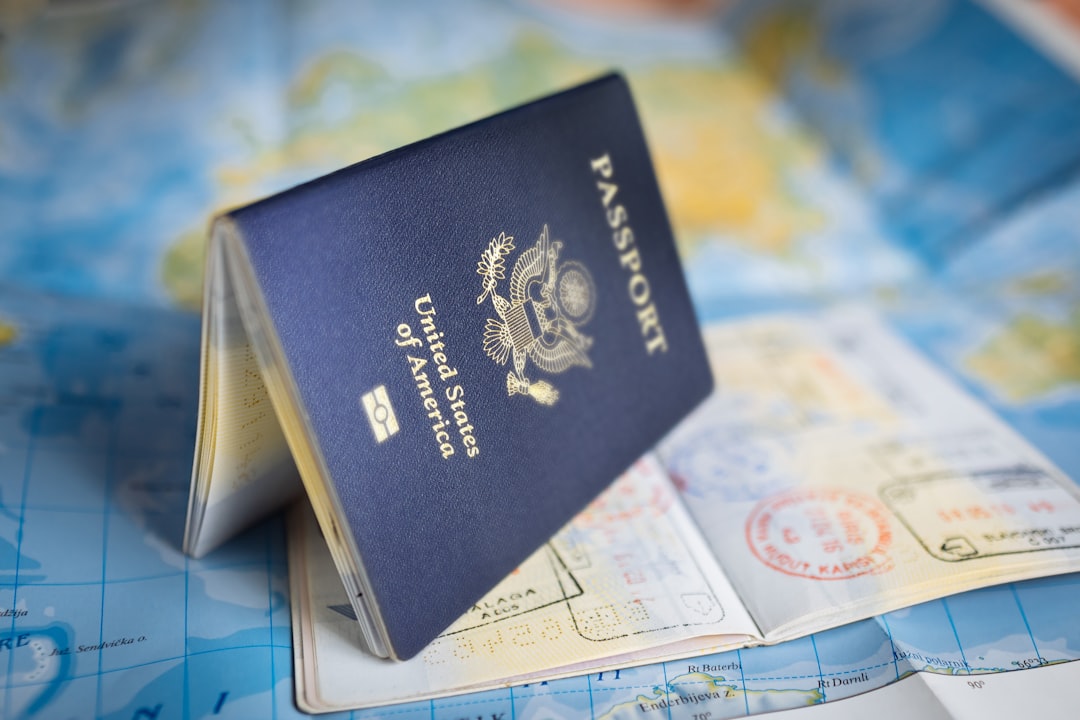 Photo by Global Residence Index on Unsplash
What Changed on January 1, 2026?
This isn’t a rumor or a draft—it’s law. The new order, signed under the expanded vetting authority, creates two tiers of restrictions:
- Full suspension of immigrant and nonimmigrant entry from 6 countries.
- Partial suspension (immigrant visas only) from 13 additional countries.
The government considers these nations unable or unwilling to provide adequate identity verification, security data, or passport control. If you’re from one of these countries, you cannot get a new US visa unless you qualify for a narrow waiver.
The Complete 19-Country List
| Country | Ban Type | What It Means for You |
|---|---|---|
| Afghanistan | Full | No immigrant or nonimmigrant entry. No new visas. |
| Burkina Faso | Full | Complete suspension of entry. |
| Burma (Myanmar) | Full | No tourist, business, or immigrant visas. |
| Chad | Full | Total entry ban. |
| Republic of Congo | Full | No new visas of any type. |
| Iran | Full | Already restricted; now fully suspended. |
| Russia | Partial | Immigrant visas suspended. Nonimmigrant visas (tourist/business) still possible with heavy vetting. |
| Syria | Full | Complete ban continues. |
| Somalia | Partial | Immigrant visas suspended. Nonimmigrant visas possible with enhanced screening. |
| Egypt | Partial | No immigrant visas. Tourist/business visas still issued but face longer waits. |
| Brazil | Partial | Immigrant visas suspended. Nonimmigrant visas require additional documentation. |
| Angola | Partial | Immigrant visas only. |
| Antigua and Barbuda | Partial | Immigrant visas suspended. |
| Benin | Partial | Immigrant visas only. |
| Cote d’Ivoire | Partial | Immigrant visas suspended. |
| Dominica | Partial | Immigrant visas only. |
| Gabon | Partial | Immigrant visas suspended. |
| The Gambia | Partial | Immigrant visas only. |
| Laos | Partial | Immigrant visas suspended. |
| Mali | Partial | Immigrant visas only. |
| Niger | Partial | Immigrant visas suspended. |
| Sierra Leone | Partial | Immigrant visas only. |
| South Sudan | Partial | Immigrant visas suspended. |
Key detail: The partial ban applies to immigrant visas—green cards, family-sponsored visas, and employment-based permanent residency. If you’re visiting for tourism, business, or medical treatment, you might still get a visa, but expect 4–6 months of processing instead of the usual 2–3.
Who Is Exempt?
Not everyone from these countries is locked out. The order explicitly exempts:
- Lawful permanent residents (green card holders) of the US.
- Dual nationals traveling on a passport from a non-banned country.
- Diplomats and officials on government business.
- Asylum seekers who have already been granted status.
- Individuals with approved waivers for medical emergencies, family reunification, or national security interests.
If you hold a valid US visa issued before January 1, 2026, it remains valid unless specifically revoked. Don’t assume it’s canceled—check with the US embassy in your country.
What This Means for Your Travel Plans
If you’re a citizen of a fully banned country, you cannot enter the US for any reason unless you have an existing visa or a waiver. That includes connecting flights through US airports. You’ll need to reroute through Canada, Mexico, or Europe if your final destination is elsewhere.
For partial-ban countries, the situation is frustrating but not hopeless. You can still visit for short-term purposes, but the visa process is now a bureaucratic maze. Expect to provide:
- 10 years of travel history.
- Social media handles for all platforms.
- Financial records proving ties to your home country.
- A detailed itinerary with confirmed bookings.
Budget an extra $300–$500 for legal fees if you need help preparing your application. The US Citizenship and Immigration Services (USCIS) filing fee for a waiver alone is $930.
Why This Matters Right Now
This ban is relevant because it’s active and enforceable today. If you were planning a US trip for late 2026, you need to check your passport nationality immediately. The list includes surprising additions like Brazil and Russia—countries previously untouched by similar bans. Travelers who assumed they were safe are now scrambling.
The ban also affects 75 countries indirectly. The US has shut down immigrant visa processing for 75 nations pending security reviews. If your country isn’t on the 19-name list but you’ve recently applied for a green card, expect delays of 12–18 months.
 Photo by Kit (formerly ConvertKit) on Unsplash
How to Check Your Status
- Check your passport nationality. If you hold a passport from any of the 19 countries, you’re affected regardless of where you live now.
- Verify your visa status. Log into the US Department of State’s visa status portal with your case number.
- Contact the nearest US embassy. Consular officers can tell you if your application is suspended or still processing.
- Consult an immigration attorney. This is not a DIY situation. A single mistake can trigger a 10-year bar.
I recommend using [Affiliate_LINK_VisaCheck] for a fast eligibility screening tool that cross-references your passport with current bans.
What Travelers Are Asking
Can I still visit the US if I have a valid visa from a banned country?
Yes, if your visa was issued before January 1, 2026, and hasn’t been revoked. But consular officers can cancel it at the border if they suspect fraud or security risks. Carry printed proof of your visa approval and your itinerary.
What if I’m a dual citizen with one banned passport and one non-banned?
You’re exempt if you enter the US using your non-banned passport. But you must prove your other citizenship at the border if asked. Bring both passports and your naturalization certificate if applicable.
Are there any exceptions for medical emergencies?
Yes, but you need a waiver. The process takes 6–8 weeks and requires a letter from your US doctor, proof of payment, and a statement from the hospital. Start immediately—waivers are not guaranteed.
Does this ban affect refugees and asylum seekers?
Current policy says the ban does not apply to refugees who have already been admitted. However, new asylum claims from these 19 countries are being reviewed on a case-by-case basis. The approval rate has dropped to under 15% in 2026.
What should I do if my visa application is already in process?
Call the embassy or consulate where you applied. Many applications are automatically suspended. You may need to submit additional security forms (DS-5535) and wait for a waiver. Do not travel until you receive explicit approval.
Practical Steps for Affected Travelers
If you’re from a fully banned country:
- Cancel any non-essential US travel plans.
- Apply for a waiver only if you have a compelling reason (medical, family, or work critical to US interests).
- Consider alternative destinations like Canada, the UK, or Schengen countries.
If you’re from a partially banned country:
- Apply for a nonimmigrant visa at least 6 months before your planned travel.
- Hire an immigration lawyer—expect to pay $2,000–$5,000 for a solid application.
- Prepare for an in-person interview that could last 90 minutes.
For everyone else:
- Double-check your passport’s nationality if you have ties to these countries.
- Avoid booking non-refundable flights until your visa is approved.
- Monitor the State Department’s travel advisory page weekly—this list could expand.
The Bottom Line
This is the most aggressive US travel restriction since the 2017 ban, and it’s not going away soon. If you’re affected, your best move is to consult a professional, prepare for delays, and have a backup plan. The US is still open for business, but the door is much narrower for 19 specific nations.
For real-time updates, bookmark [Affiliate_LINK_TravelAdvisory] and check before you book anything.
This article is for informational purposes only and does not constitute legal advice. Immigration laws change rapidly; always verify with an attorney or the US Department of State.
Affiliate Disclosure: Some links in this article are affiliate links. If you click and make a purchase, I may earn a small commission at no extra cost to you. I only recommend tools and services I have personally vetted.
Last updated: 2026-06-26