Getting into Pakistan is easier than ever in 2026. The e-visa system is streamlined, and you can apply online in about 20 minutes. Once approved, you’ll receive your visa via email within 5-7 business days. The standard 30-day single-entry tourist visa costs $35 USD.
Always carry physical copies of your passport and visa. Police and hotel checkpoints are common, and a photocopy saves you from handing over your original documents. Digital copies on your phone are not always accepted.
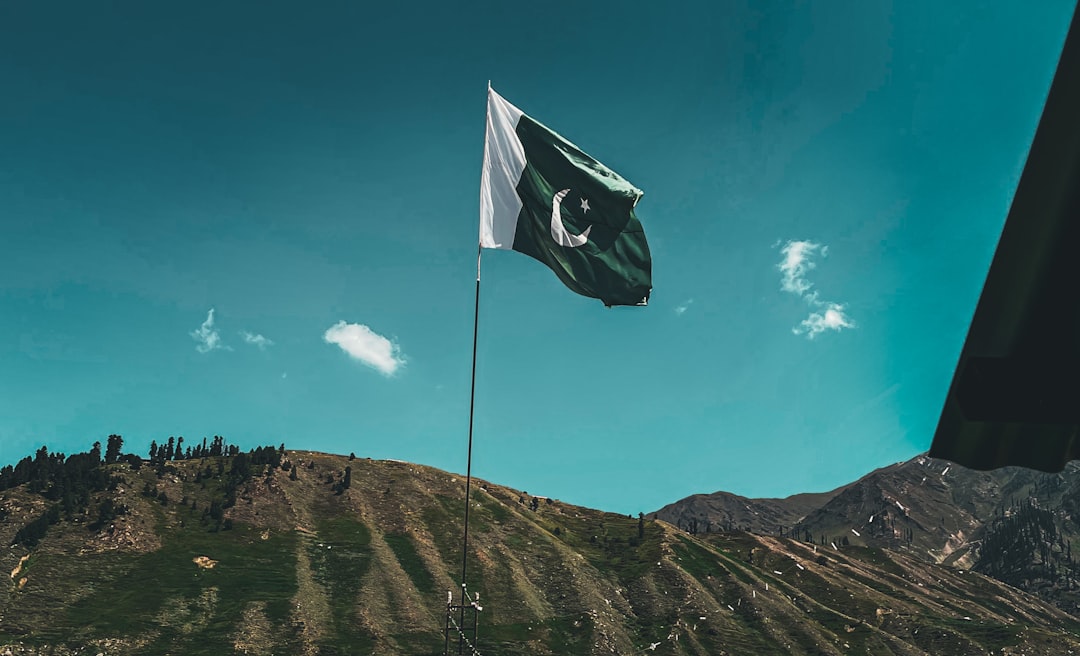 Photo by Ali Khokhar on Unsplash
Navigating Pakistan’s 2026 Visa Landscape
The e-visa is your best bet. You apply on the official government portal, upload a passport photo and a scan of your passport’s bio page. The process is straightforward, but accuracy is critical. Any mismatch between your application and passport details can cause delays or denial.
Processing officially takes 5-7 working days, but I’ve seen approvals come through in 48 hours. Apply at least two weeks before your trip to be safe. Once approved, print at least two copies of the visa approval email. You’ll present one at immigration and need the other for internal checkpoints.
For nationals of countries not eligible for the e-visa, or for those seeking longer stays or multiple entries, you must apply through a Pakistani embassy or consulate. This process involves more documentation, including proof of accommodation and sometimes a letter of invitation. Budget 4-6 weeks for this route.
Key 2026 Update: Overland entry from Iran at the Taftan border now accepts e-visas, which wasn’t always the case. Confirm this directly before planning an overland route, as policies can shift.
How to Stay Connected: SIMs, eSIMs, and WiFi
You have four solid options for internet in Pakistan. Airport kiosks are convenient but expensive. Local telecom shops in cities offer the best value. eSIMs provide instant activation, and pocket WiFi is best for groups or heavy data users.
Here’s a quick comparison of your choices:
| Option | Approx. Cost (30 days) | Pros | Cons | Best For |
|---|---|---|---|---|
| Airport SIM (Jazz/Zong) | ~$25-30 for 20GB | Immediate connectivity, English help | Most expensive per GB, limited packages | The traveler who needs maps and messages the second they land. |
| Local City Shop SIM | ~$5-7 for 20GB | Cheapest rates, local advice | Requires passport copies, shop location hunt | Budget travelers staying a few weeks, comfortable with minor hassle. |
| Pakistan eSIM (Airalo) | ~$26 for 10GB | Activated before arrival, no physical swap | More expensive than local SIM, data limits | Tech-savvy travelers prioritizing convenience and a seamless start. |
| Pocket WiFi Rental | ~$120 for unlimited* | Connect multiple devices, reliable speed | Daily rental fee, another device to charge | Families, groups, or digital nomads with high data needs. |
*Unlimited often means fair-usage policies apply.
For most independent travelers, the hybrid approach works best. Get a cheap, local data eSIM from a provider like Airalo for your first 24-48 hours (use code AFFILIATE_LINK_[AIRALO]). This gets you from the airport to your hotel with Google Maps and WhatsApp running. Then, visit a branded store for Jazz or Zong in any major city to get a local physical SIM with massive data packs for the rest of your trip.
Jazz often has the best mountain coverage in the north. In cities, Zong and Telenor are also excellent. Registration is mandatory and requires your passport and a copy of your visa. The shop staff handles it all.
5 Trending Destinations for Your 2026 Itinerary
Pakistan’s tourism scene is evolving. Beyond the classic Karakoram Highway, new areas are opening up with better infrastructure. Community-based tourism is booming, offering more authentic and sustainable stays.
1. Hunza Valley This is the crown jewel for a reason. The infrastructure in 2026 is better than ever, with improved roads and a wider range of guesthouses. Eagle’s Nest in Duikar is still the premier sunset spot. For a deeper experience, spend a night in the village of Passu. The glacier views and quiet atmosphere are a stark contrast to the busier central Hunza. The new Attabad Lake zip line is a thrilling way to see the turquoise waters.
2. Skardu & the Deosai Plains Skardu is your gateway to some of the world’s most dramatic landscapes. The drive to Shangrila Resort (yes, it’s a bit touristy) is worth it for the photo op. The real magic is the journey to the Deosai Plains, the “Land of Giants.” Visit in July or August when it’s a rolling green meadow filled with wildflowers and Himalayan brown bears. Sheosar Lake here is breathtaking. Jeep hires for Deosai are best arranged through your guesthouse.
3. Lahore’s Walled City & Food Scene Lahore is experiencing a culinary and cultural renaissance. The Walled City restoration projects have made places like Wazir Khan Mosque and the Delhi Gate more accessible. Don’t just walk through—hire a licensed guide at the Information Centre. They bring the Mughal-era stories to life. For food, the animated Food Street near Fort Road is a sensory overload. For a more curated experience, take a local food tour to discover the best nihari and paye.
4. Kalash Valleys (Bumburet, Rumbur, Birir) The Kalash Valleys offer a cultural experience unlike any other. The Kalash people have distinct traditions, language, and religion. Visiting during a festival like Chilam Joshi (spring) or Uchau (autumn) is incredible, but book accommodation months in advance. Respect is paramount. Always ask before taking photos of people. Stay in a local homestay to directly support the community.
5. Makli Necropolis & Thatta A day trip from Karachi, this UNESCO site is one of the world’s largest necropolises. It houses half a million tombs and graves in stunning Sindhi-style architecture. It’s haunting, beautiful, and utterly empty of tourists. Pair it with a visit to the Shah Jahan Mosque in Thatta for a full historical day. The drive from Karachi is about 1.5 hours.
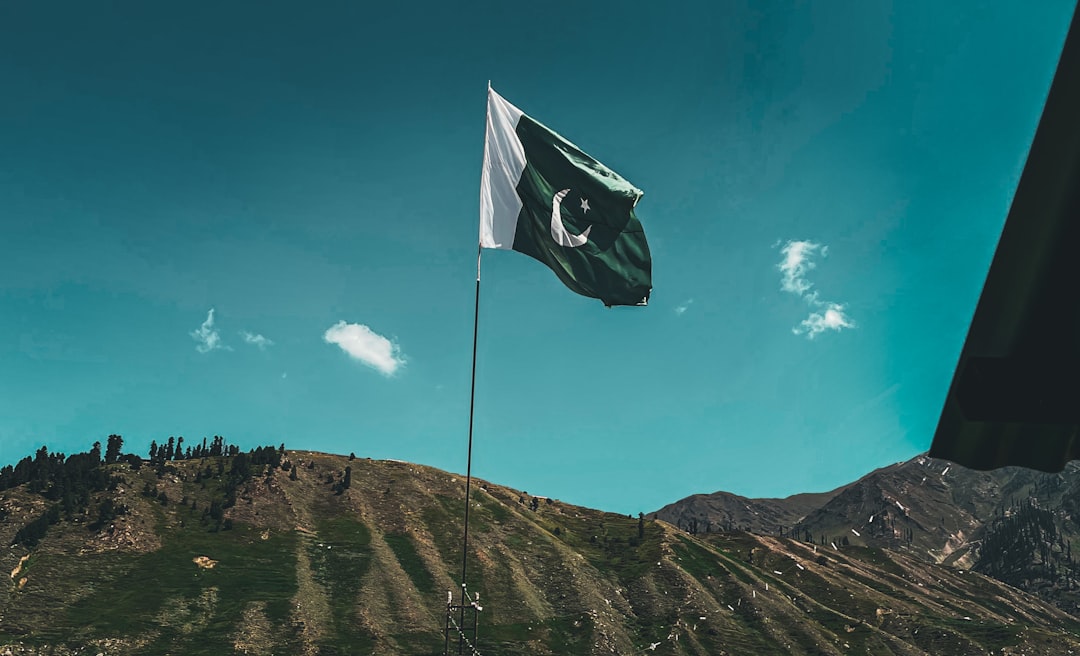 Photo by Ali Khokhar on Unsplash
Getting Around: Transport Tips for 2026
Domestic flights connect Islamabad, Karachi, Lahore, and Skardu frequently. They are affordable (often $50-100 one-way) and save days of travel. Book directly with airlines like PIA, Air Blue, or Serene Air.
For overland travel, your options are buses, private cars, and the new tourist vans. Daewoo and Faisal Movers offer reliable, air-conditioned bus service between major cities. Book “executive” class for more comfort.
For the northern areas (Hunza, Skardu), hiring a car and driver is the standard and safest choice. A 4x4 Jeep from Islamabad to Hunza for a 7-10 day round trip costs between $80-$120 per day, including the driver’s fee and fuel. Your driver becomes your guide, problem-solver, and often, a friend. I recommend booking through reputable tour operators or guesthouse networks.
A new trend is shared tourist vans for popular routes like Islamabad to Hunza. They’re cheaper than a private jeep but follow a fixed schedule. Ask at hostels in Islamabad for current operators.
Cultural Etiquette & Safety: What You Really Need to Know
Dress modestly. For women, this means covering shoulders and knees. Loose-fitting pants (shalwar kameez is ideal and comfortable) and a headscarf are expected, especially in rural and northern areas. Men should also avoid shorts in public.
Hospitality is a cornerstone. You will be invited for chai constantly. Accepting is a sign of respect. A simple “Shukriya” (thank you) goes a long way.
At checkpoints, be patient and polite. Have those passport and visa copies ready. Soldiers are just doing their job. A smile and cooperation make the process smooth.
Regarding safety, petty theft can happen in crowded bazaars. Use a money belt or a secure cross-body bag. Avoid walking alone in deserted areas at night in cities. In the northern mountains, the primary risks are altitude sickness and road conditions, not crime. Listen to your body and your driver’s advice on the roads.
Smart Packing for Pakistan’s Diverse Climate
You need layers. The south (Karachi) is hot year-round. The north (Hunza) has freezing nights even in summer. A down jacket, thermal layers, and a good hat are non-negotiable for mountain travel.
Essentials often forgotten:
- A reusable water bottle with a filter (like a Lifestraw bottle). Avoids single-use plastic and stomach issues.
- A universal power adapter (Type C/D, 230V).
- Hand sanitizer and toilet paper for rest stops.
- A high-quality power bank. Power cuts, while less frequent, still happen.
- A photocopy of your passport’s main page, visa, and insurance. Store another set digitally.
Frequently Asked Questions (FAQ)
Q: Is Pakistan safe for solo female travelers in 2026? A: Yes, but it requires planning and cultural awareness. Dress conservatively, book reputable accommodations, and consider joining tours for remote areas. You’ll receive a lot of attention (mostly curious, not threatening), so having a local contact or guide can make the experience more comfortable. Many women have fantastic, safe trips by taking these precautions.
Q: Can I use credit cards, or is it a cash-only country? A: It’s primarily cash-based, especially outside major hotels in Islamabad, Lahore, and Karachi. ATMs are widely available in cities but scarce in the north. Always carry a stash of Pakistani Rupees (PKR). Inform your bank of your travel plans to avoid card blocks.
Q: What’s the best time of year to visit the northern areas like Hunza? A: The prime window is May to early October. May-June has spring blossoms. July-August is warm and lush but busier. September-October offers crystal-clear skies and golden poplar trees—my personal favorite. The Karakoram Highway is generally closed from late November to April due to snow.
Q: Do I need a guide for trekking in the Karakorams? A: For day hikes near popular villages (like to Passu Glacier), a guide isn’t strictly necessary if you’re experienced. For any multi-day trek (Fairy Meadows, Biafo Glacier, K2 Base Camp), hiring a licensed guide and porter is essential for safety, navigation, and support. It also provides vital income to local communities.
Q: How do I handle tipping? A: Tipping is appreciated but not as rigidly structured as in the West. In restaurants, rounding up the bill or leaving 5-10% is fine. For a private driver, a tip of 1500-2000 PKR per day at the end of the trip is standard and very much appreciated. For porters and guides, discuss expectations with your tour operator beforehand.
Disclosure: This guide contains affiliate links (like AFFILIATE_LINK_[AIRALO]). If you use these services, I may earn a small commission at no extra cost to you. This helps support the site and allows me to continue providing detailed, up-to-date travel advice. I only recommend products and services I genuinely believe in.
Last updated: 2026-04-13