Panama is trending in 2026 because it offers a perfect, compact package of world-class beaches, highland escapes, cosmopolitan city life, and epic engineering, all within a country the size of South Carolina. You can surf Pacific waves in the morning and sip coffee in a cloud forest by afternoon. The U.S. dollar is the official currency, making finances simple, and a major tourism push has improved infrastructure while keeping costs reasonable compared to its neighbors. Here’s exactly how to plan your trip.
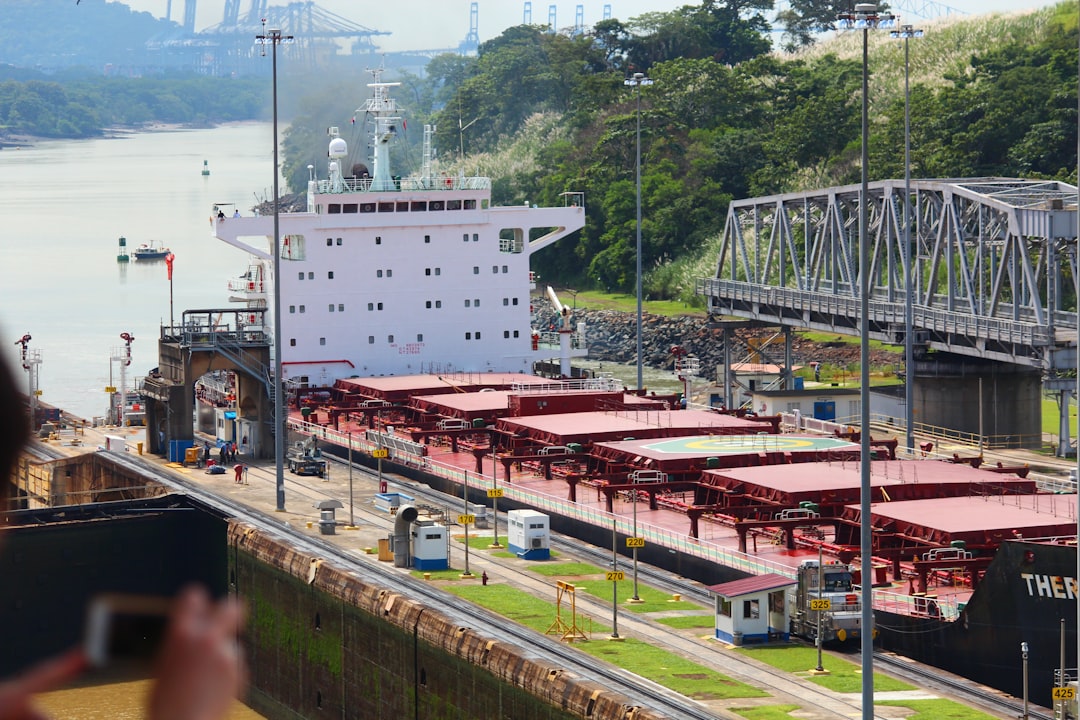 Photo by Brian J. Tromp on Unsplash
Why Panama is the 2026 Travel Trend
For years, travelers flew over Panama en route to Costa Rica. That’s changing. The secret is out. Panama delivers a similar ecological and adventure punch but with fewer crowds and a more diverse cultural rhythm. The government’s “Live for More” campaign is drawing digital nomads and adventure seekers with improved flight connectivity and visa incentives.
You get a capital city with a stunning, UNESCO-listed old quarter (Casco Viejo) next to a futuristic skyline. You have access to two oceans. The San Blas Islands, governed by the Guna Yala people, offer a culturally rich Caribbean escape unlike any resort. Meanwhile, the Pacific coast boasts some of Central America’s best surf in Santa Catalina and wildlife-rich islands like Coiba National Park. Inland, the cool highlands of Boquete and El Valle de Antón provide hiking and coffee tours. It’s this variety, packed into a small, easy-to-navigate country, that’s fueling its 2026 popularity.
Planning Your Trip: Timing, Budget & Logistics
Best Time to Visit: The dry season (mid-December to April) is peak season for a reason—sunshine is almost guaranteed. For better prices and fewer people, target the “shoulder” months of late November or early May. The green season (May-November) means afternoon showers, lush landscapes, and significant discounts, though some remote Caribbean spots may be harder to reach.
Budget Breakdown (Per Day):
- Budget Traveler: $40-60 USD. Dorm bed ($12-18), street food & local meals ($10-15), public buses ($5-10), free/cheap activities like hiking.
- Mid-Range Traveler: $80-150 USD. Private room or Airbnb ($40-80), meals at nice local restaurants ($20-30), occasional guided tours or domestic flights.
- Luxury Traveler: $250+ USD. Boutique hotels or resorts, fine dining, private transfers, and multi-day guided expeditions.
Getting There & Around: Tocumen International Airport (PTY) is a major hub. Book flights at least 2-3 months in advance for the best deals. Domestic flights (Air Panama) connect the city to David (for Boquete) and the San Blas islands quickly.
For ground transport, don’t underestimate travel times. Mountain roads are winding. The modern, air-conditioned buses for main routes (like Panama City to David) are excellent and cheap ($10-15). For shorter, local routes, book bus tickets in real time at the terminal; online schedules are often unreliable. Renting a car ($35-70/day) offers freedom, especially for the highlands and Pacific coast, but isn’t needed in the city.
Where to Go: A Two-Week Panama Itinerary for 2026
This loop covers the major highlights with a logical flow. You can start in Panama City or David.
Days 1-3: Panama City & The Canal Forget a quick canal visit. Spend a full day here. Start at the Miraflores Visitor Center (opens 8 AM, $20 USD) to see ships transit. Explore the biodiversity museum and the Miraflores Locks. The next day, wander Casco Viejo’s cobblestone streets, visit the Panama Canal Museum, and have sunset drinks on a rooftop. On day three, take a short boat ride to the Pearl Islands or hike in the Metropolitan Natural Park.
Days 4-5: San Blas Islands This is a bucket-list experience. You’ll need to book a 4x4 transfer and boat tour (from $150-$250 per person for a day trip, including fees). Overnight stays in basic Guna-owned cabins are possible. It’s about the culture and pristine environment, not luxury. Pack cash, sunscreen, and your passport (you’re entering Guna Yala territory).
Days 6-8: Santa Catalina & Coiba National Park Travel from Panama City to Santa Catalina (a 5-6 hour journey by bus/car). This sleepy surf town is the gateway to Coiba National Park, a UNESCO site teeming with marine life. Book a full-day snorkeling or diving trip to Coiba (from $120). If you don’t surf, take a lesson; the waves here are legendary.
Days 9-11: Boquete Highlands A 3-4 hour bus ride from David (which you can reach from Santa Catalina). Boquete is for coffee, hiking, and cool mountain air. Tour a coffee finca like Finca Dos Jefes or Finca Casanga (around $30). Hike the challenging Lost Waterfalls trail ($7 permit) or the Quetzal Trail. For adventure, go white-water rafting or take a jeep tour to the summit of Volcán Barú for sunrise.
Days 12-14: Bocas del Toro or El Valle de Antón
- Option A (Beach/Party): Head to Bocas del Toro. From Boquete, a shuttle-boat combo gets you there in ~4 hours. It’s a Caribbean archipelago with a backpacker vibe, great for island-hopping, snorkeling, and bioluminescent tours.
- Option B (Mountain Relaxation): Return towards Panama City and stop in El Valle de Antón, a town in a volcanic crater. It’s perfect for hiking to waterfalls, visiting the butterfly haven, and browsing the artisan market before your flight home.
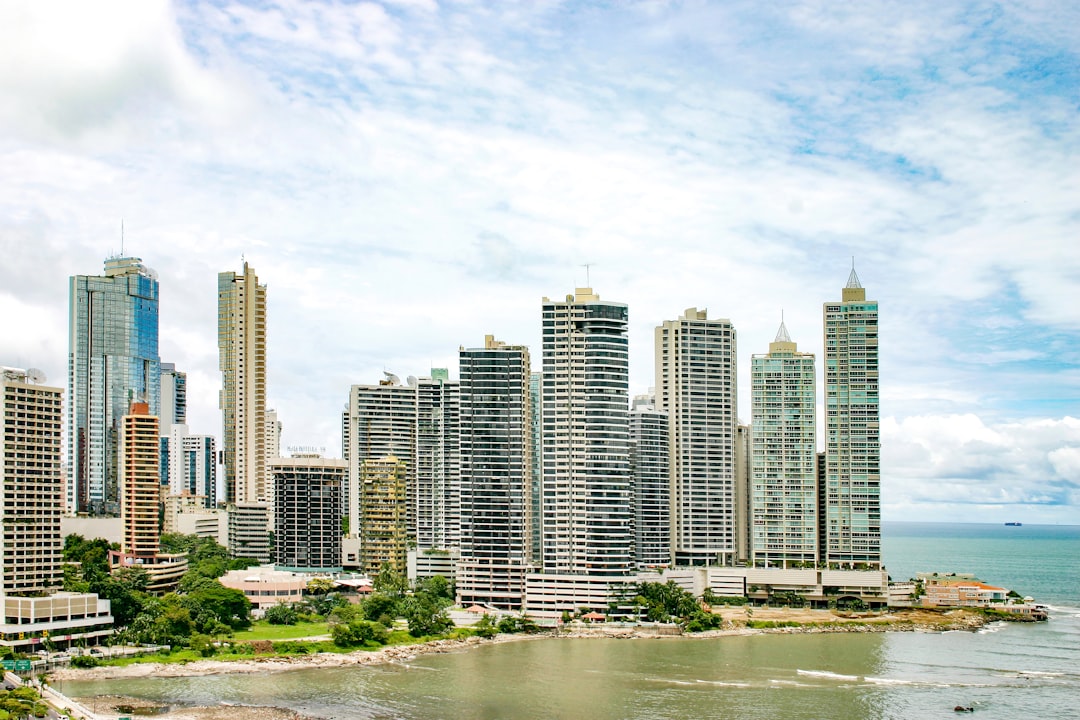 Photo by JACQUELINE BRANDWAYN on Unsplash
Accommodation & Transportation: A 2026 Comparison
| Option | Typical Cost (2026) | Pros | Cons | Best For |
|---|---|---|---|---|
| Local Buses | $3-$20 per leg | Extremely cheap, authentic experience, extensive network. | Schedules can be fluid, long travel times, less comfortable for very long trips. | Budget travelers, short hops between towns. |
| Tourist Shuttles | $25-$60 per leg | Door-to-door, faster than buses, English-speaking drivers, book online. | More expensive than local transport, fixed schedules. | Groups, those with limited time, going to specific hubs (Boquete, Bocas). |
| Domestic Flight | $80-$180 one-way | Saves huge amounts of time (e.g., Panama City to David is 1 hr vs. 6+ by bus). | Costly, baggage limits, weather delays, limited destinations. | Travelers with a tight schedule or who want to maximize beach/island time. |
| Rental Car | $35-$70/day + gas & insurance | Ultimate freedom, explore remote beaches and highland roads at your own pace. | Parking in cities is difficult/expensive, aggressive local driving style, additional insurance costs. | Families, small groups, travelers focusing on the Pacific coast and highlands. |
For accommodation, hostels are plentiful and social. For a more local feel, guesthouses (hospedajes) are great value. In 2026, boutique hotels in Casco Viejo and eco-lodges in Boquete and Santa Catalina are thriving. Always book your first night in a new city in advance, especially during dry season.
Essential 2026 Travel Tips & Hidden Gems
Health & Safety: No special vaccinations are required beyond routine ones, but check current advisories. Tap water is generally safe in Panama City and Boquete, but stick to bottled water elsewhere. Pack Gravol (Dramamine)—you’ll need it for winding mountain roads and boat trips to the islands. The sun is intense; reef-safe sunscreen, a hat, and sunglasses are non-negotiable.
Money & Connectivity: The US Dollar is the official currency (“Balboa” is just a coin). Credit cards are widely accepted, but carry cash for markets, taxis, and smaller towns. Get a local SIM card (Movistar or Digicel) for about $10-20 for data; coverage is good in most tourist areas.
Beyond the Top Spots:
- The Azuero Peninsula: For authentic Panameño culture, visit during a festival like Carnaval in Las Tablas or the traditional La Mejorana in Guararé.
- Portobelo: This historic Caribbean port has crumbling Spanish forts and a vibrant Afro-Caribbean culture. It’s a easy day trip from the city.
- Santa Fé: North of Santiago, this is an emerging spot for its stunning waterfalls and hiking, with far fewer tourists than Boquete.
Frequently Asked Questions (FAQ)
Is Panama safe for tourists in 2026? Generally, yes. Exercise standard precautions. Panama City has pickpocketing in crowded areas and Casco Viejo at night—use taxis for short distances after dark. San Blas and Bocas del Toro are very safe. The Darien Gap region on the Colombian border is not safe for travel due to criminal activity and migrant crossings.
Can I get by with only English? In main tourist areas—Panama City, Boquete, Bocas del Toro, and San Blas tour operators—you’ll manage fine with English. Learning basic Spanish phrases (hello, please, thank you, how much) will greatly enhance your experience with taxi drivers, in local markets, and in smaller towns.
What’s the food like, and what should I try? It’s a mix of Afro-Caribbean, Indigenous, and Spanish influences. You must try Sancocho (a hearty chicken stew), Ropa Vieja (shredded beef), Ceviche (try it with patacones—fried plantains), and Hojaldras (fried dough for breakfast). For a cheap, filling meal, look for a fondas (local diner).
Is two weeks enough for Panama? Two weeks is ideal for a first visit. It allows you to hit the major highlights: city/canal, one Caribbean experience (San Blas or Bocas), the Pacific surf/coast, and the highlands. With less time, focus on one region. With more, you can dive deeper into the Azuero Peninsula or truly relax on a remote island.
What should I pack for a Panama trip? Pack for multiple climates: swimwear and light clothes for the coast, a solid rain jacket and long pants for the highlands (which can be cool, especially at night). Hiking shoes, sandals, a quick-dry towel, a power bank, and a reusable water bottle are essential. Don’t forget your passport for San Blas trips.
Disclosure: This guide contains affiliate links (AFFILIATE_LINK_[PRODUCT]). If you book through these links, I may earn a small commission at no extra cost to you. This helps support the site and allows me to continue providing detailed, up-to-date travel advice. I only recommend services and products I genuinely trust.
Last updated: 2026-04-07