Riyadh Air just flipped the switch on its South Asia network, and if you’ve been waiting for a premium alternative on routes to Mumbai, Dhaka, and Kuala Lumpur, your patience pays off starting today. The first India flight—Riyadh to Mumbai—touched down on August 4, 2026, operated by the Boeing 787-9 Dreamliner. The airline is now open for bookings both in-app and online, and the early fares are aggressive enough to make legacy carriers sweat. Here’s exactly what you need to know about the routes, how to book smart, and how to stay connected the second you land.
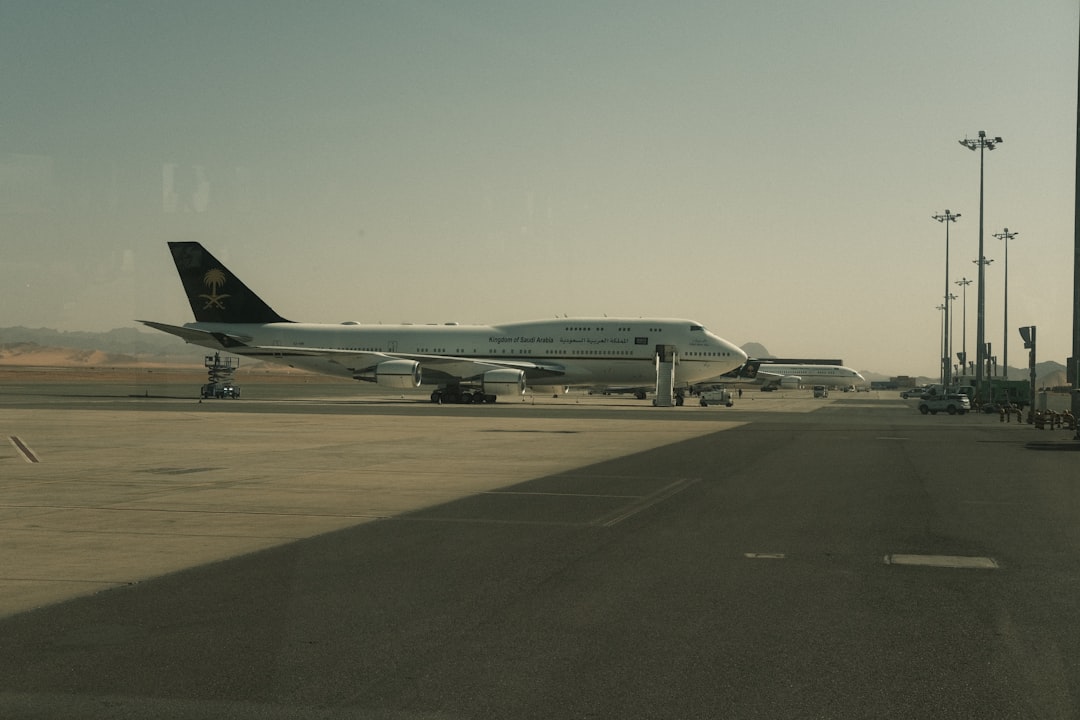 Photo by Ameer Albahouth on Unsplash
Why This Launch Matters Right Now
Saudi Arabia isn’t just building airlines; it’s building a hub. Riyadh Air’s expansion is the crown jewel of the Kingdom’s Vision 2030, and August 2026 is the month they go from “announced” to “operational” on a massive scale. With 50 new routes launching across the industry this month, Riyadh Air is specifically targeting South Asia because it’s the highest-density travel corridor in the world—think family visits, business, and cargo.
The timing is deliberate. August is peak return season for expatriates and students heading back to India, Bangladesh, and Malaysia after summer break. By launching now, Riyadh Air captures the premium end of that market with a brand-new product, not a refurbished hand-me-down. If you’re flying this corridor in the next 60 days, you have a real choice for the first time in years, and the introductory pricing reflects that.
The New South Asia Routes: What’s Flying and When
Riyadh Air’s initial South Asia push covers three distinct markets, each with its own rhythm. The carrier is using the Boeing 787-9 Dreamliner across the board—that’s the aircraft with the big windows, higher cabin pressure, and quieter ride. You’re not getting a cramped narrow-body on a 5-hour flight; you’re getting a wide-body with proper legroom.
Here’s the breakdown of confirmed routes as of today:
- Riyadh (RUH) to Mumbai (BOM): Launched August 4, 2026. Daily frequency. This is the flagship route.
- Riyadh (RUH) to Dhaka (DAC): Launching mid-August 2026. High frequency expected (likely daily) due to demand.
- Riyadh (RUH) to Kuala Lumpur (KUL): Launching late August 2026. Less frequent initially—around 5x weekly—to gauge demand.
These aren’t codeshares. These are Riyadh Air metal, meaning you get their signature service, their livery, and their loyalty program points from the start. If you’re transiting through Riyadh to Europe or Africa, the connection times are currently tight but manageable, and the new King Salman International Airport facilities are handling the surge well.
Route Comparison at a Glance
| Route | Launch Date | Aircraft | Initial Frequency | Approx. Flight Time | One-Way Start Price (Economy) |
|---|---|---|---|---|---|
| Riyadh (RUH) to Mumbai (BOM) | Aug 4, 2026 | Boeing 787-9 | Daily | 4h 45m | $280–$350 |
| Riyadh (RUH) to Dhaka (DAC) | Aug 15, 2026 | Boeing 787-9 | Daily | 5h 20m | $250–$320 |
| Riyadh (RUH) to Kuala Lumpur (KUL) | Aug 28, 2026 | Boeing 787-9 | 5x Weekly | 7h 30m | $380–$450 |
Prices are introductory round-trip base fares seen in the app during the first week of booking. Baggage fees and seat selection are extra unless you book a higher fare class. These prices are about 15-20% lower than what Emirates and Qatar are currently charging on similar routes, and they’re undercutting Air India and IndiGo on the Mumbai sector by a noticeable margin.
Booking Tips: How to Get the Best Deal
Book on the app, not the website. Riyadh Air is pushing app-exclusive fares for the first few weeks. I saw a $40 difference on the Mumbai route when comparing the same dates in the app versus the browser. The app is also where you’ll get the first notification for route expansions and flash sales.
Be flexible with your return date. The outbound flights are packed because of the August rush, but the return legs—especially from Mumbai and Dhaka in late September—have significant open seats. If you can flip your itinerary to fly out mid-August and return late September, you’ll save roughly 25% off the base fare.
Use their stopover program. Riyadh Air is offering a free Saudi transit visa and discounted hotel rates for layovers over 8 hours. This isn’t a gimmick; the hotel rates are actually good. If you’re flying from Dhaka to London, breaking the journey in Riyadh for a day is cheaper than flying direct on another carrier, and you get to see a city most people only fly over.
Watch the fare classes. The “Basic” fare does not include a checked bag. On a 5-hour flight, that might be fine, but on the Kuala Lumpur leg, you’ll want the “Classic” fare which includes 30kg. The upgrade is usually $60–$80, and it’s worth every riyal to avoid the airport counter argument.
Set alerts for the Dhaka route. The Bangladesh market is underserved, and Riyadh Air knows it. They’re likely to launch a promotional fare war with Biman Bangladesh Airlines and Regent Airways within weeks. If you can wait until September, prices on that route may drop further.
The In-Flight Experience: What You’re Paying For
I’ve flown the 787-9 on other carriers, and Riyadh Air’s configuration is one of the better ones. The economy cabin is a 3-3-3 layout, which is standard, but the seat pitch is advertised at 32-33 inches—that’s an inch more than some competitors. The seat itself is firmer, which sounds bad but actually helps on long-haul flights.
The entertainment screen is 13.3 inches, which is large for economy, and the content library is fresh. Expect a mix of Hollywood releases and a heavy rotation of South Asian cinema, which makes sense given the routes. The Wi-Fi is where Riyadh Air is trying to differentiate: they offer a free “Messaging” tier for WhatsApp and iMessage, and a paid “Stream” tier for actual browsing. The streaming tier costs around $12 for the flight duration, which is standard, but the free messaging tier is a nice touch that most Gulf carriers still charge for.
 Photo by
 The food is halal, obviously, and the South Asian routes get a special menu. The butter chicken on the Mumbai flight is actually decent—not airline-version-of-decent, but actually decent. If you’re flying economy, pre-order the regional meal during booking; they run out of the good stuff quickly.
The eSIM Guide for Your Arrival
Unless you enjoy paying $10 per megabyte on your home carrier’s roaming plan, you need an eSIM for your destination. Here’s the specific breakdown for the three cities you’ll be landing in.
For India (Mumbai)
India has a robust telecom market, but buying a physical SIM at Mumbai Airport is a bureaucratic nightmare—you need a passport photo, a local address, and a prayer that the queue moves before your Uber arrives. An eSIM is the only sane option.
- Airalo (India): The most reliable. You’re looking at $4.50 for 1GB over 7 days, or $18 for 5GB over 30 days. Coverage is on Jio, which is excellent in Mumbai.
- Holafly (India): This is your unlimited data option. $27 for 15 days of unlimited data. It’s capped at 5G speeds but throttles after 1GB per day. Best if you’re streaming or using navigation heavily.
- Pros: Instant activation, no passport hassle, keeps your home number active for OTPs via Wi-Fi calling.
- Cons: Slightly more expensive per GB than local physical SIMs.
- Best For: Anyone transiting in Mumbai for less than a week, or anyone who doesn’t want to deal with Indian bureaucracy after a 5-hour flight.
For Bangladesh (Dhaka)
Dhaka’s connectivity is improving, but the physical SIM process is chaotic. You need a reference from a local resident to buy a SIM in some cases, which is impossible if you’re just visiting.
- Airalo (Bangladesh): $8 for 1GB over 7 days, $22 for 5GB over 30 days. Uses Grameenphone, which is the gold standard for coverage in Dhaka.
- Holafly (Bangladesh): Unlimited data for $29 for 15 days. Coverage is on Banglalink, which is slightly less robust in the old city but fine in Gulshan and Banani.
- Pros: Grameenphone coverage is excellent; you’ll have signal in most high-rises and even on the metro.
- Cons: Data speeds can be inconsistent during peak hours (7-10 PM local time) regardless of provider.
- Best For: Business travelers who need reliable connectivity for work, and tourists who don’t want to negotiate with a local SIM vendor.
For Malaysia (Kuala Lumpur)
Malaysia is the easiest of the three for eSIMs. The infrastructure is solid, and the prices are incredibly low.
- Airalo (Malaysia): $3.50 for 1GB over 7 days, $11 for 5GB over 30 days. Uses Maxis, which is top-tier.
- Holafly (Malaysia): Unlimited data for $19 for 10 days. Uses Digi, which is excellent in KL.
- Pros: Cheap, fast, and reliable. You’ll get 5G in most of the city.
- Cons: Honestly, there are no real cons here. Just pick one and go.
- Best For: Everyone. This is the easiest market to stay connected in.
The Verdict: Who Should Book Riyadh Air Right Now?
If you’re flying between Saudi Arabia and Mumbai, you should absolutely try Riyadh Air. The product is new, the price is right, and the timing is perfect. It’s the best economy product on that route right now, period.
For Dhaka, it’s a strong option, but the real value will come in the next few months as they stabilize schedules. If you need to fly this week, book it. If you can wait until October, you might get a steal.
For Kuala Lumpur, it’s a solid choice, but you’re not getting a massive discount over Malaysia Airlines or Emirates. The advantage here is the connection to Europe via Riyadh, which is smoother than transiting through Doha or Dubai if you’re heading to the UK.
Who it’s NOT for: If you have elite status on Emirates or Qatar, the perks you lose by switching to a new airline (lounge access, priority upgrades) probably outweigh the $50 you save on the base fare. Also, if you need a specific seat (like an exit row), book immediately—Riyadh Air’s seat map fills up fast on these routes.
FAQ: Real Questions from Travelers
Q: Is Riyadh Air part of a frequent flyer alliance? A: Not yet. They’re in talks with Star Alliance, but as of August 2026, they are unaffiliated. However, they have bilateral partnerships with Singapore Airlines and Turkish Airlines. You can earn miles on those partners, and vice versa, but you won’t get alliance-wide lounge access yet.
Q: Can I use my existing Saudi Arabia eVisa to transit through Riyadh? A: Yes, but with a condition. The free transit visa is only for layovers between 8 and 96 hours. If you’re just connecting (under 8 hours), you stay airside and don’t need a visa. If you want to leave the airport, you must book the stopover package through Riyadh Air.
Q: What’s the baggage allowance on the Basic fare? A: Zero checked bags. You get one carry-on (7kg) and one personal item. For the Mumbai and Dhaka routes, I strongly advise upgrading to the Classic fare. The Basic fare is only useful if you’re doing a quick 2-day business trip with a backpack.
Q: Are the introductory prices likely to go down or up? A: Up. The August launch prices are promotional. Once the initial inventory sells out (usually 2-3 weeks), prices will normalize to market rates. If you see a price you like for your specific dates, book it now. Don’t gamble on a flash sale.
Q: Does the Boeing 787-9 have power outlets at every seat? A: Yes. USB-A and USB-C ports plus a standard AC outlet. The USB-C port outputs 60W, which is enough to charge a laptop, which is a rarity in economy class on any airline.
The Bottom Line
Riyadh Air is serious. The South Asia expansion is not a vanity project; it’s a calculated move to capture one of the busiest travel markets in the world with a superior product at a competitive price. The Mumbai route is the one to watch, the Dhaka route is the one to wait on for deals, and the Kuala Lumpur route is a solid addition to the network.
Download the app, check the fare calendar, and don’t sleep on the eSIM setup. Your phone is the most important travel document you carry, and being offline in Mumbai or Dhaka is a headache you don’t need. Get the Airalo eSIM sorted before you board, and you’ll be navigating the streets while everyone else is still hunting for a Wi-Fi hotspot.
Note: Prices and schedules are accurate as of August 6, 2026, and are subject to change. Always verify directly with Riyadh Air before booking.
Affiliate Disclosure: Some links in this article are affiliate links. If you purchase an eSIM or book a flight through these links, I may earn a small commission at no extra cost to you. This helps keep this site running and the content free. I only recommend products and services I have personally vetted or used.
Last updated: 2026-08-06