Reconsider travel to Saudi Arabia in 2026. The U.S. State Department and other Western governments have elevated their advisories due to a specific, ongoing risk of Iranian drone and missile targeting of American interests, armed conflict, and terrorism. If you decide to go, you need a clear plan that accounts for these disruptions, strict entry rules, and heightened personal safety measures.
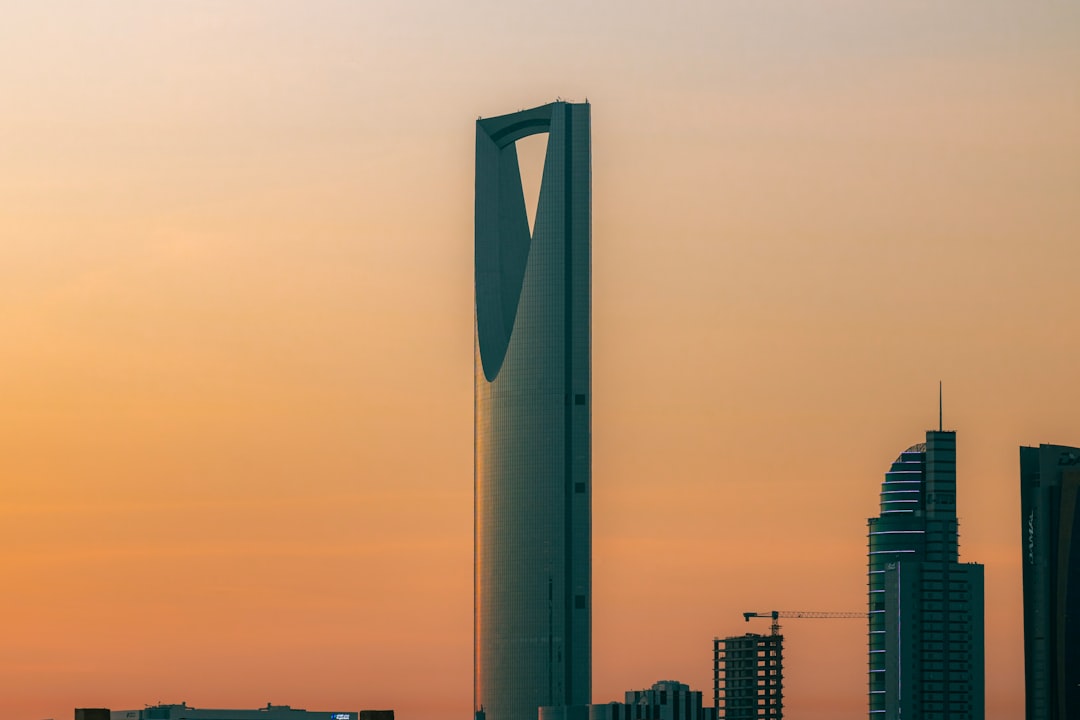 Photo by Ibrahim Abdullah on Unsplash
The Current Security Landscape: What the Advisories Really Mean
The official guidance is stark and non-negotiable. As of March 2026, the U.S. Embassy in Riyadh advises citizens to “reconsider travel.” Australia’s Smartraveller is more direct, stating, “If you’re in Saudi Arabia and want to leave, we continue to advise you to make plans to do so.” This isn’t generic caution; it’s a response to active regional hostilities.
The core threat is aerial. Advisories specifically cite the risk of “Iranian drone and missile targeting.” While these are often aimed at military or infrastructure targets, the potential for miscalculation or wider conflict is real. The U.S. Mission has instructed its personnel to exercise increased caution and limit non-essential movement since late February 2026.
This context is crucial for your planning. It means you should:
- Register with your embassy immediately upon arrival.
- Avoid areas associated with U.S. or other Western government facilities, military sites, and critical infrastructure.
- Have a contingency plan for rapid departure, including digital copies of your passport and accessible emergency funds.
- Expect sudden flight cancellations or airspace closures if tensions escalate.
Navigating Entry: Visas, Bans, and Practical Logistics
Despite the security climate, Saudi Arabia’s tourist visa system remains operational. Understanding it is your first step.
The primary method is the eVisa, available to citizens of over 50 eligible countries, including the U.S., U.K., Canada, and most of the EU. It’s a one-year, multiple-entry visa allowing a 90-day stay. You apply online through the official Saudi Visa (KSA Visa) platform. The process is straightforward: fill the form, upload a passport-style photo and a copy of your passport bio page, pay the fee, and receive the eVisa via email, usually within 24-72 hours.
Cost: The 2026 fee for the tourist eVisa is 535 Saudi Riyals (approximately $143 USD). This includes full health insurance coverage for your stay.
A critical, often overlooked, rule is the exit ban. Saudi authorities can impose a travel ban on any foreigner involved in a legal or financial dispute. This is why you must:
- Settle all bills (hotel, car rental, traffic fines) before departing.
- Avoid any legal entanglements. Even a minor reported argument could escalate.
- Ensure your employer or sponsor (if on a work visa) has formally released you if you are concluding a job.
For those not eligible for the eVisa, you must apply through a Saudi embassy. This process is longer, requires an in-person appointment, and often needs proof of accommodation and an itinerary.
Your 2026 Travel Strategy: To Go or Not to Go?
This isn’t a typical destination decision. The heightened advisories create a clear fork in the road. Your choice depends entirely on your risk tolerance, purpose of travel, and nationality.
| Option | Pros | Cons | Best For |
|---|---|---|---|
| Proceeding with Caution | Access to unique cultural sites (AlUla, Diriyah), potential for fewer crowds, business opportunities remain. | High, specific security risk (drone/missile threat). Possible sudden disruptions. Mandatory heightened situational awareness. | Essential business travelers, experienced regional travelers with robust contingency plans, those with family obligations. |
| Postponing Travel | Eliminates direct exposure to conflict risk. Allows time for regional stability to potentially improve. | Misses current travel window. Potential for continued uncertainty long-term. | Leisure tourists, first-time visitors to the region, travelers averse to elevated risk environments. |
| Choosing an Alternative | Can experience similar regional culture/history with lower current threat levels (e.g., Oman, UAE, Jordan). | Not Saudi Arabia. Different scale of development and transformation. | Travelers committed to a Gulf/Middle East trip in 2026 who are flexible on destination. |
If you choose to go, your travel insurance is non-negotiable. Standard policies often void coverage for destinations under official “Reconsider Travel” or “Do Not Travel” advisories. You need a specialized provider like World Nomads or SafetyWing that offers coverage for high-risk destinations. Confirm in writing that your policy is valid for Saudi Arabia under its current advisory level before you buy. AFFILIATE_LINK_TRAVEL_INSURANCE
Cultural Etiquette and Conduct: Beyond the Headlines
Saudi society is undergoing rapid transformation, but respect for local customs remains paramount. Your conduct is a key component of your safety.
Dress code: For women, abayas (the long black cloak) are no longer legally mandatory for foreigners. However, conservative dress is expected. In practice, this means loose-fitting clothing that covers shoulders and knees in public. Carrying a scarf to cover hair when near mosques is essential. For men, long trousers are standard; avoid shorts in cities.
Social etiquette: Public displays of affection between couples are frowned upon. Photography of people, especially women and government/military buildings, requires explicit permission. During Ramadan, eating, drinking, or smoking in public during daylight hours is prohibited by law.
Digital awareness: Many common Western communication and VoIP apps (like certain video calling services) remain blocked on local networks. A reliable VPN is essential for daily connectivity. I use and recommend ExpressVPN for consistent service in the Kingdom. AFFILIATE_LINK_VPN
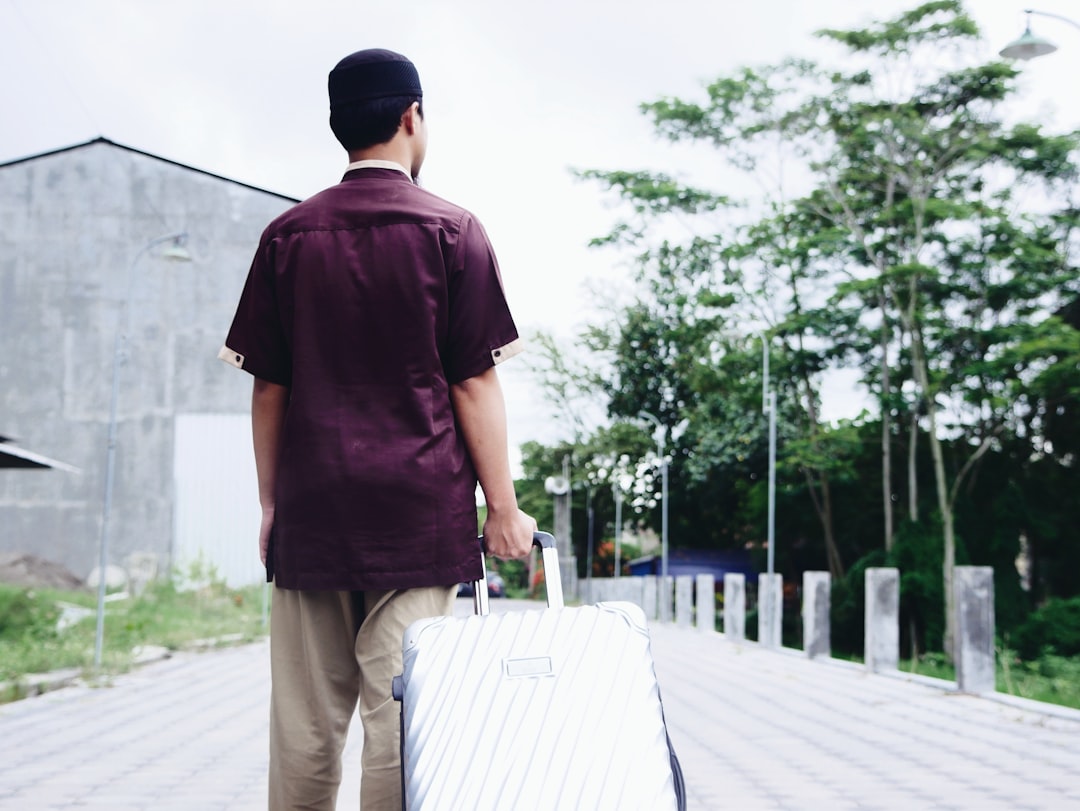 Photo by Masjid MABA on Unsplash
Getting Around: Transportation Tips for 2026
Domestic travel is efficient but requires planning, especially now.
Flights: Saudi Arabia’s domestic airline network is excellent. Saudia, Flynas, and Flyadeal connect major cities. Book directly through their websites for the best fares and clearer cancellation policies—a vital consideration. A Riyadh to Jeddah flight costs around 250-400 SAR ($67-$107) one-way if booked a few weeks ahead.
Ride-hailing & Taxis: Uber and the local app Careem are ubiquitous, safe, and convenient in cities. They eliminate fare negotiation. For inter-city travel, official taxi companies or pre-arranged private drivers are better than hailing on the street.
Car Rentals: Renting a car gives freedom, especially for sites like AlUla. International brands (Hertz, Budget) are present. You need an International Driving Permit alongside your home license. Be aware: Saudi driving can be aggressive, and traffic fines are steep and can trigger an exit ban if unpaid. Use a comparison site like Discover Cars to find the best rates and clear insurance terms. AFFILIATE_LINK_CAR_RENTAL
Building Your Contingency Plan: A Non-Negotiable Step
Given the advisory to “make plans to leave,” your contingency plan is as important as your itinerary.
- Documentation: Have physical and cloud-stored copies of your passport, visa, insurance policy, and emergency contacts.
- Embassy Registration: Complete the U.S. State Department’s STEP (Smart Traveler Enrollment Program) or your home country’s equivalent. This is how they contact you during a crisis.
- Financial Buffer: Ensure you have access to extra funds—a credit card with a high limit and some cash (USD or EUR, which can be exchanged anywhere).
- Communication Plan: Share your detailed itinerary and hotel contacts with family. Establish regular check-in times. Know the local emergency number (911 in Saudi Arabia).
- Exit Routes: Identify multiple commercial flight options from different airports (e.g., Riyadh, Jeddah, Dammam). In a severe crisis, governments may organize evacuations, but relying on commercial options is your first bet.
Where to Go (and Where to Avoid) in 2026
If you travel, focus on areas less likely to be associated with strategic targets.
Consider:
- AlUla: The ancient Nabatean site of Hegra and stunning desert landscapes. It’s a dedicated tourist zone, somewhat insulated.
- Jeddah: The historic Al-Balad district and Red Sea coast. It’s a major commercial hub but distant from the northeastern border areas.
- Abha: In the cool, mountainous Asir region, offering a different climate and culture.
Exercise Increased Caution:
- Riyadh: The capital and diplomatic center. Be particularly vigilant near diplomatic quarters.
- Eastern Province: Near the Gulf coast and major oil infrastructure. While cities like Al Khobar are modern, the region is closer to potential flashpoints.
- Border Areas: Avoid all areas near the borders with Yemen, Iraq, and specifically the northern border with Iraq and Jordan, which has been a corridor for drone and missile activity.
Frequently Asked Questions (FAQ)
Q: Can I get a visa on arrival in 2026? A: No. The visa on arrival program was largely replaced by the eVisa system. You must obtain your eVisa online before travel. The one exception is for holders of valid UK, US, or Schengen visas used for travel to those regions, but the pre-approved eVisa is the guaranteed route.
Q: Is it safe for solo female travelers right now? A: The security risks apply equally to all travelers. From a cultural perspective, solo female travel has become more feasible than ever in Saudi history. However, the elevated threat of regional conflict adds a layer of risk that requires careful consideration, regardless of gender. Standard, heightened precautions are essential.
Q: My layover is in Riyadh. Is leaving the airport safe? A: For a layover under the current advisory, staying airside is the safest and most prudent choice. If your layover is long and you wish to leave, ensure you have a valid eVisa, use a trusted taxi or ride-hail app to go directly to a major hotel or attraction in the city, and constantly monitor local news for any security developments.
Q: What happens if a conflict escalates while I’m there? A: This is why a contingency plan is critical. Monitor local and international news. Contact your embassy immediately via the number provided when you registered. Follow their instructions explicitly, which may be to shelter in place or proceed to an evacuation point. Your travel insurance should cover emergency evacuation.
Q: Are credit cards widely accepted? A: Yes, in all cities and tourist areas. Visa and Mastercard are universal. American Express is less common. Always carry some cash (Saudi Riyals) for smaller shops, markets (souqs), and in case of network outages.
Affiliate Disclosure: This guide contains affiliate links to trusted travel services like insurance providers, VPNs, and car rental platforms. If you purchase through these links, we may earn a small commission at no extra cost to you. This supports our research and helps us provide current, accurate advice.
Last updated: 2026-04-19