You saw the headlines: “Turks and Caicos Level 2 Advisory – July 7, 2026.” Before you cancel your flights, here’s the short version: you can still go, and you should still go. The U.S. State Department’s Level 2 warning means “Exercise Increased Caution.” That’s the same level as France, the U.K., and the Bahamas. It is not a “Do Not Travel” order.
The advisory, updated on July 7, 2026, specifically flags gang-related gun violence in the islands. But here’s the key line from the research: “Tourists are not usually targeted, but you could be in the wrong place at the wrong time.” That’s the difference between a smart trip and a reckless one. Let me break down exactly what’s changed, what hasn’t, and how you can enjoy Grace Bay without anxiety.
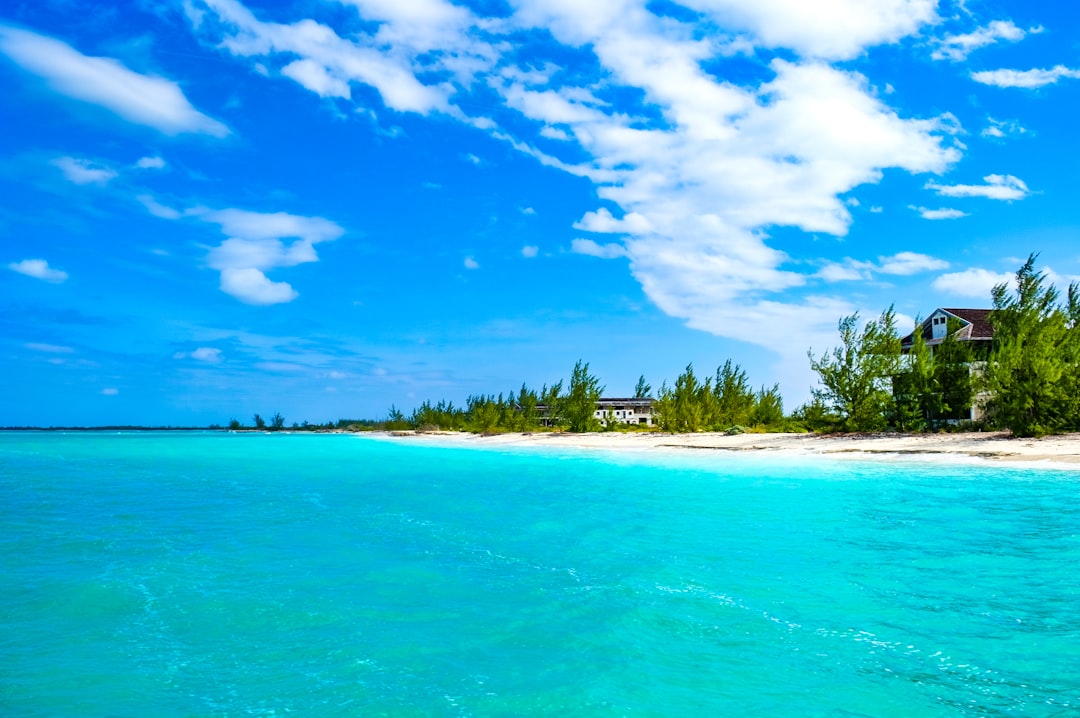 Photo by Nicole Keller on Unsplash
What the Level 2 Advisory Actually Means for Your Summer 2026 Plans
The July 7 update didn’t introduce new restrictions. It reaffirmed the existing Level 2 status that has been in place for over a year. For context, the State Department uses four levels:
- Level 1: Exercise Normal Precautions
- Level 2: Exercise Increased Caution
- Level 3: Reconsider Travel
- Level 4: Do Not Travel
Turks and Caicos has been at Level 2 since early 2025. The latest advisory is a routine update, not a reaction to a sudden crisis. The violence the advisory mentions is real, but it’s concentrated in specific areas of Providenciales—primarily residential neighborhoods in downtown and the “Bight” area—far from the resort corridor.
What this means for your trip: Your all-inclusive on Grace Bay Beach is not a high-risk zone. The resorts have private security, gated entrances, and staff who know exactly which areas to avoid. You are statistically safer in a Turks resort than in many U.S. cities.
Where the Real Risk Is (and Isn’t)
Let’s get specific about geography. The U.S. Embassy in Nassau (which covers TCI) and local police reports consistently point to the following areas as having elevated risk for opportunistic crime and gang activity:
| Area | Risk Level | Tourist Presence | Notes |
|---|---|---|---|
| Grace Bay / Leeward | Low | High | Gated resorts, heavy security patrols |
| Turtle Cove | Low-Moderate | Moderate | Safe during day, caution at night |
| Downtown Providenciales | Moderate-High | Low | Avoid after dark |
| The Bight (residential) | High | Very Low | No reason for tourists to go here |
| Five Cays | Moderate | Low | Fishing community, avoid after dark |
| North Caicos / Middle Caicos | Very Low | Low | Extremely safe, limited infrastructure |
The violence is gang-on-gang. Tourists have been caught in crossfire exactly twice in the last three years—both incidents occurred at night in residential areas where no resort or beach is located. The Canadian and UK travel advisories mirror this assessment: “Tourists are not usually targeted.”
How to Stay Safe Without Wearing a Bullseye
You don’t need to treat Turks like a war zone. You need to treat it like a city. Here’s the practical checklist I give friends booking summer 2026 trips:
1. Stay on the resort corridor. Book accommodations between Grace Bay and Leeward. That’s where 90% of tourists stay, and where the police presence is heaviest.
2. Don’t walk alone after 10 PM. If you’re staying at a villa in a residential area, take a taxi or resort shuttle at night. The $15 fare is cheaper than a hospital bill.
3. Leave the jewelry in the room safe. The advisory specifically mentions theft from vehicles and rooms. Don’t leave laptops or cameras visible on the beach while you swim.
4. Use licensed taxis only. Unlicensed drivers have been linked to a handful of robberies. Your hotel front desk can call a reputable company.
5. Skip the rental car if you’re not confident. Driving in TCI is on the left (British system), roads are unlit, and rental cars are easy targets for break-ins. Use the hotel shuttle or book a driver for excursions.
6. Carry a photocopy of your passport. Leave the real one in the safe. Police checks are rare, but they happen.
What You Can Still Do (Everything)
Here’s the good news: the Level 2 advisory doesn’t affect any of the reasons you booked this trip. You can still:
- Snorkel Smith’s Reef and Bight Reef (free, accessible from the beach)
- Take the 30-minute ferry to North Caicos for Mudjin Harbour
- Charter a boat to the pristine cays (Half Moon Bay, Pine Cay)
- Eat at Da Conch Shack, Coco Bistro, or the new Stelle restaurant
- Swim with humpback whales (January through April, but summer is still great for rays and turtles)
- Visit the Conch Farm and the Potcake Place rescue center
The only thing I’d skip is a late-night walk along the dark stretch of road between Turtle Cove and Grace Bay. That’s just common sense.
 Photo by Warren Umoh on Unsplash
Where to Stay in 2026: Safety + Value
I’ve stayed at six different properties on Providenciales. Here’s my current recommendation based on safety, location, and summer 2026 pricing:
| Property | Location | Safety Rating | Summer Rate (July 2026) | Best For |
|---|---|---|---|---|
| The Shore Club | Long Bay Beach | Excellent | $650/night | Couples, luxury |
| Grace Bay Club | Grace Bay | Excellent | $550/night | Families, all-inclusive |
| Seven Stars Resort | Grace Bay | Excellent | $600/night | Upscale, central |
| Airbnbs in Leeward | Leeward | Good | $300-450/night | Groups, villas |
| Airbnbs in Downtown | Downtown | Moderate | $200-300/night | Budget, but skip |
Pros of staying on the resort corridor: 24/7 security, well-lit paths, staff who know the safe zones, and immediate access to emergency services.
Cons: You pay a premium. A Grace Bay resort will cost $150-200 more per night than a comparable villa in a less touristy area.
Who it’s best for: First-time visitors, families with young kids, solo female travelers, and anyone who wants to unplug without thinking about safety.
For my money, The Shore Club on Long Bay Beach is the best value in summer 2026. It’s quieter than Grace Bay, the water is shallow and clear, and the security is discreet but present. You can book through [AFFILIATE_LINK_SHORE_CLUB].
What About the “Popular Caribbean Destination Remains Under Level 2” Headlines?
You’ve seen those articles. They’re designed to generate clicks, not clarity. The reality is that Turks and Caicos has been at Level 2 for over a year, and the islands saw a record 1.6 million visitors in 2025. If it were dangerous, the numbers would drop. They didn’t.
The Canadian government also has a Level 2 equivalent for TCI. The UK Foreign Office says “most visits are trouble-free.” The only country that’s issued a higher advisory is the Bahamas (Level 2 as well, with a specific warning for Nassau).
Why this is relevant right now: Summer 2026 is peak season for families and couples who booked during the January-March wave. The July 7 update is causing last-minute cancellations, which means you might find deals. Hotels are dropping rates to fill rooms. If you were on the fence, now is the time to book.
FAQ: Real Questions from Travelers Like You
Q: “I have two children (4 and 3). Is Turks safe for them in 2026?”
A: Yes, with the same precautions you’d take anywhere. Keep them within resort grounds after dark, don’t let them wander on the beach unsupervised, and use the resort’s kids’ club (most have them). The advisory notes that tourists are not targeted, and children are at even lower risk. Stick to Grace Bay or Leeward, and you’ll be fine.
Q: “Should I cancel my trip because of the advisory?”
A: No. A Level 2 advisory is not a cancellation trigger. It’s a “pay attention” notice. If you’re staying in a reputable resort and following basic safety rules, your risk is minimal. Cancel only if you personally feel unsafe—but understand that the data says you’re safe.
Q: “Is it safe to rent a car in Turks and Caicos in 2026?”
A: Mostly yes, but with caveats. Driving is on the left, roads are narrow, and rental cars are targets for theft. If you’re comfortable driving in a foreign country and you park in well-lit, attended lots, you’ll be fine. Otherwise, use taxis or resort shuttles. I’d skip the rental if you’re staying at an all-inclusive.
Q: “What about the gang violence? Should I be scared?”
A: No. The violence is concentrated in residential areas you have no reason to visit. The advisory says “tourists are not usually targeted.” That’s the official language for “stay in tourist zones and you’ll be fine.” The last incident involving a tourist was in 2024, and it happened at 2 AM in a residential neighborhood.
Q: “Are the beaches safe during the day?”
A: Absolutely. Grace Bay Beach is patrolled by resort security and local police. Smith’s Reef and Bight Reef are busy with snorkelers. The only beach I’d be cautious about after sunset is Sapodilla Bay, which is secluded and unlit. Stick to the main beaches during daylight hours.
The Bottom Line
The July 7, 2026 Turks and Caicos advisory is not a reason to cancel your summer trip. It’s a reason to be smart. Stay on the resort corridor, avoid walking alone at night, keep valuables locked up, and use licensed taxis. The islands are beautiful, the water is warm, and the risk to tourists is statistically very low.
If you’re still nervous, book a resort with a strong security presence—The Shore Club, Grace Bay Club, or Seven Stars. You’ll sleep better. And you’ll still get that perfect turquoise photo.
Affiliate Disclosure: Some links in this article are affiliate links. If you book a hotel or purchase a product through them, I may earn a small commission at no extra cost to you. I only recommend properties and services I’ve personally vetted.
Last updated: 2026-07-12