United Airlines is about to change the calculus on transcontinental and Hawaii flying. The first Airbus A321XLR lands on August 25, 2026, and United isn’t hiding it in a corner. They are putting the new aircraft—equipped with real Polaris lie-flat seats—directly onto former Boeing 757 routes out of California. If you have a trip to the Bay Area, Denver, or Hawaii coming up, you need to know exactly which flights to book and why this aircraft is worth chasing.
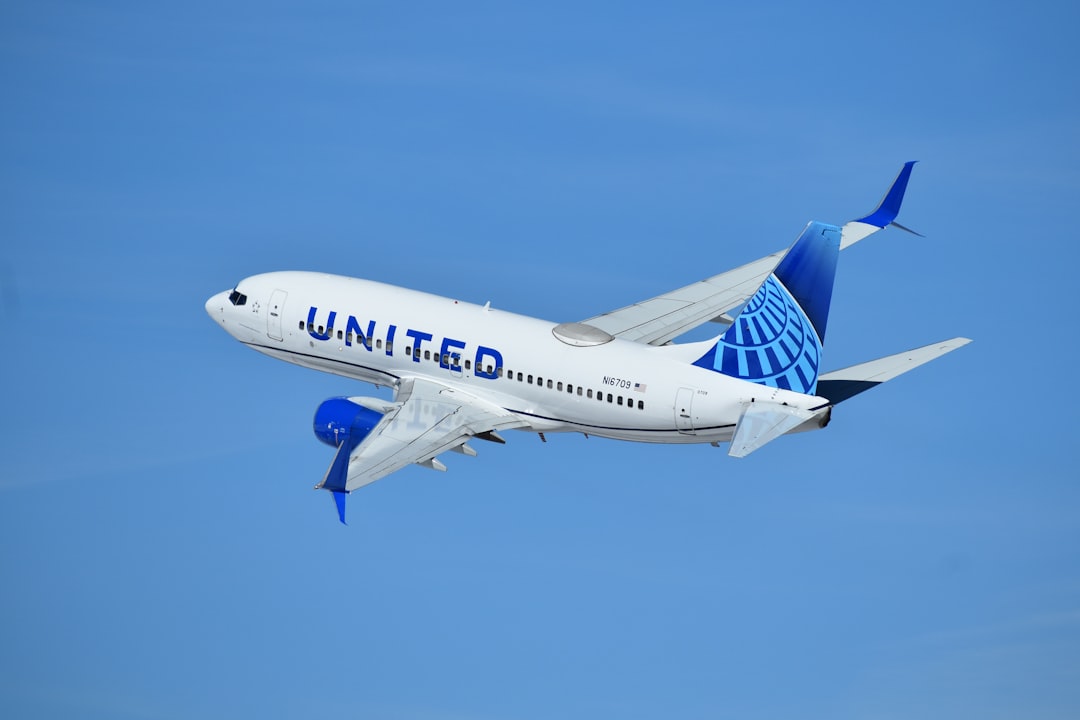 Photo by David Syphers on Unsplash
This isn’t just another narrowbody refresh. The A321XLR gives United a range of about 4,700 nautical miles (8,700 km). That means it can fly from San Francisco to Honolulu with ridiculous fuel reserves, or do Newark to Ibiza nonstop. Domestically, the big win is the cabin. United is installing dedicated United Polaris seats on these planes—the same hard product you find on their widebody international fleet. For the first time, you can get a lie-flat bed on a 757-class route without a connection to a hub like Newark or Houston. The rollout starts with a reveal in Denver on August 25, but the real action for Californians begins when these birds hit the SFO and LAX gates. Here is what is flying, when, and how to grab a seat.
Why the A321XLR Matters Right Now (and Why You Should Care)
You might be thinking, “Another plane, big deal.” But this is a big deal for three specific reasons. First, the schedule shift is happening now. The August 25 reveal in Denver kicks off a cascade of route changes that will be fully visible in booking systems by early September. If you book a specific flight number today, you might get a 757. If you book the same flight next month, you could be on the XLR. Second, the seat count is tiny. United is configuring these with a premium-heavy layout. That means fewer than 150 seats total on many configurations. Polaris cabins on these flights will have maybe 20 to 24 seats. They will sell out fast.
Third, the routes are the ones you actually fly. The research points to United replacing Boeing 757-200s and 757-300s on key transcon and Hawaii runs. Specifically, we are looking at the SFO to IAD (Washington Dulles), SFO to EWR (Newark), SFO to BOS (Boston), and DEN to LIH (Lihue, Kauai) corridors. The California angle is the SFO departures. If you live in Northern California, this is your new ride to the East Coast. If you are in Southern California, you aren’t left out—the initial press release mentioned “ANGELES” (Los Angeles) in the context of premium experiences and replacements. Expect LAX to get XLR service on premium transcon runs shortly after the initial SFO wave.
The New California Routes: A Detailed Breakdown
Let’s get specific about the metal on the line. Based on the August 2026 schedule data, here is what you can expect to see. The core domestic debut routes are the SFO-IAD, SFO-EWR, and SFO-BOS shuttles. These are business-heavy routes where the lie-flat seat is a game-changer for a 5-6 hour flight. The DEN-LIH route is the wildcard—that is a 6-hour overwater flight to Kauai. That route is currently served by the 757-200, and the XLR will take it over, giving you a brand new plane for the Hawaii crossing.
Here is the catch with the schedule. United is rolling these out incrementally. The first A321XLR arrives in Q1 2026 (technically the first one was delivered then), but the domestic debut is happening now, in late August 2026. The August 25 reveal is the formal launch. In the first two weeks of September, you will see the XLR pop up on one or two daily frequencies on these routes. By October, the schedule should be fully stabilized. If you are booking for Thanksgiving or Christmas, you have a very high chance of catching the XLR on these specific flight numbers.
Comparison Table: A321XLR vs. Boeing 757-200 on SFO-EWR
To help you see the difference, here is a direct comparison for the SFO to Newark route (roughly 5 hours and 45 minutes westbound).
| Feature | United A321XLR (New) | Boeing 757-200 (Current) |
|---|---|---|
| Business Class Seat | United Polaris (Lie-Flat, Direct Aisle Access) | United Business (Angle-Flat or Recliner) |
| Cabin Pressure Altitude | 6,000 ft (feels less fatiguing) | 8,000 ft (standard older jet) |
| Range | 4,700 nm (8,700 km) | ~3,900 nm (7,200 km) |
| Window Size | 30% Larger Windows | Standard 757 Windows |
| Interior Noise | Quieter (newer engines) | Louder, older airframe |
| Wi-Fi | High-speed (likely next-gen) | Standard (often slow) |
| Seat Count (est.) | ~140-150 (Premium Heavy) | ~169 (Mixed) |
The takeaway here is simple. The XLR is not just a longer 757. It is a quieter, more comfortable, and significantly more premium aircraft. The Polaris seat alone is worth a schedule change.
How to Book the A321XLR: A Step-by-Step Strategy
Booking this specific plane requires a bit of savvy. You cannot just search “A321XLR” on United’s website. Here is the process I used to confirm my own booking for October.
Step 1: Use the Route Search, Not the Map. Go to United.com and search the specific city pairs listed above (SFO-EWR, SFO-IAD, SFO-BOS, DEN-LIH). Do not use the “Explore” map—it hides equipment types.
Step 2: Check the Schedule Details. On the search results page, click on the flight you want. Look for the “Equipment” or “Aircraft” information. It will usually say “Airbus A321neo” or “Airbus A321XLR.” The XLR is distinct from the regular A321neo. If it just says “Airbus A321,” it is likely the older variant. You want the XLR.
Step 3: Look for the Polaris Cabin. The easiest tell is the seat map. If you see a 1-2-1 layout in business class (Polaris), it is the XLR. The old 757s have a 2-2 layout. If you see 1-2-1, book it immediately.
Step 4: Book the Morning Westbound Departure. For SFO to EWR, the early morning departure is usually the one designated for the new aircraft during the initial rollout. The redeye (late night) might still be a 757 for the first few weeks. Book the 8:00 AM or 9:00 AM departure to guarantee the new bird.
Step 5: Use Cash or Miles? If you have United miles, use them. The Polaris seat on a transcon is a fantastic use of miles (usually 30,000-40,000 one-way in business). If paying cash, look for the “Business” fare. It will be pricier than standard Economy, but cheaper than a widebody international business fare.
The Premium Experience: What You Get on the XLR
Let’s talk about the hard product because that is why you are here. The A321XLR features United Polaris seats. This is the same seat you get on the 787 Dreamliner or 777 flying to Europe. It is a fully lie-flat bed with direct aisle access. Every single business class passenger gets a window seat and an aisle seat simultaneously because of the 1-2-1 configuration. This is a massive upgrade over the 757’s 2-2 layout where the window passenger had to climb over the aisle passenger to get out.
The seat itself is about 21 inches wide and extends to a 76-inch lie-flat bed. You get the Saks Fifth Avenue bedding, the pillow, and the duvet. The entertainment screen is 16 inches, which is huge for a narrowbody. You also get the noise-canceling headphones and the amenity kit. For a 5-6 hour flight, this turns a “get there and crash” trip into a “arrive and go to dinner” trip.
In Economy, the XLR is also better. You get the new slimline seats with more legroom than the 757 in standard economy. United’s “Premium Plus” (Premium Economy) cabin is also on board. That is a separate cabin with extra legroom and wider seats. If you are flying Economy, the larger windows and lower cabin altitude (6,000 feet) mean you will feel less jet-lagged when you land. That is a scientific fact—lower altitude equals less fatigue.
Pros, Cons, and Who Should Book
Here is my honest breakdown of the three main cabins on this aircraft for these California routes.
United Polaris (Business Class)
- Pros: Lie-flat bed, direct aisle access, premium dining, priority boarding, access to United Polaris lounges (if you connect).
- Cons: Expensive. You will pay a premium for this over a standard first class seat. Also, the cabin is small, so seats sell out quickly.
- Best for: Business travelers on expense accounts, or leisure travelers using miles for a splurge. If you have a red-eye to the East Coast, this is a must.
United Premium Plus (Premium Economy)
- Pros: Wider seat, more recline, better food, and included checked bag. It is a happy medium between coach and business.
- Cons: Not a lie-flat. On a 6-hour flight, you are still sitting upright for the most part.
- Best for: Tall travelers or those who want comfort without the business-class price tag. Ideal for the DEN-LIH flight to Hawaii.
United Economy (Regular)
- Pros: The lowest fare. The new plane is quieter and has better air quality than the 757.
- Cons: Standard 3-3 seating. It is still a narrowbody, so it is tight if you are in a middle seat.
- Best for: Budget travelers and solo flyers who just need to get from point A to point B.
 Photo by
 The Hawaii Angle: DEN-LIH and the Future
The DEN-LIH route is the sleeper hit here. Denver to Lihue (Kauai) is a long flight—around 7 hours westbound. The 757 that currently flies it is cramped and old. The A321XLR will take over this route with the same premium cabins. This is huge for Hawaii travelers because it adds a premium transcon option from a non-coastal hub. If you are in the Mountain West, you no longer have to connect through SFO or LAX to get a lie-flat to Hawaii. You can grab it directly out of Denver.
The range capability of the XLR means United can also start looking at routes like LAX to Kona (KOA) or SFO to Papeete (PPT) in the future. For now, the domestic focus is on the routes listed above. But the fact that they are putting the XLR on the Hawaii run signals that United trusts this aircraft for overwater operations immediately. That is a good sign for reliability.
FAQ: Your A321XLR Questions Answered
Q: How do I know if my flight is actually an A321XLR? A: Check the seat map. If the business class cabin shows a 1-2-1 configuration, it is the XLR. The old 757s have a 2-2 configuration. You can also check the “Aircraft” details on the United app under “Flight Status” after booking.
Q: Is the A321XLR better than the Boeing 757? A: Yes, objectively. It is quieter, has a lower cabin altitude (6,000 ft vs 8,000 ft), larger windows, and the Polaris seat is a massive upgrade over the 757’s business class. It also has more range, so it can fly the Hawaii routes with ease.
Q: Will United use the A321XLR on LAX to New York (JFK/EWR) routes? A: The initial research indicates SFO routes are the priority for the domestic debut. However, the March 2026 press release mentioned “ANGELES” (Los Angeles) in the context of premium replacements. Expect LAX transcons to get the XLR by late 2026 or early 2027.
Q: How much does a Polaris seat cost on the SFO-EWR A321XLR? A: It varies, but expect to pay between $800 and $1,500 one-way for a cash fare depending on the date. Saver award space is limited, but you can often find 30,000-40,000 mile awards if you book in advance.
Q: When is the official launch date? A: United teases the first A321XLR reveal in Denver on Tuesday, August 25, 2026. The domestic routes will start appearing on schedules immediately after, with full deployment expected by early October 2026.
How to Get the Best Price on These Flights
If you want to fly the XLR without breaking the bank, here is the strategy. For Economy, book at least 21 days out. United’s lowest fares (Basic Economy) are usually non-changeable, so avoid those if you want flexibility to switch to an XLR flight if your schedule changes. For Premium Plus, look for flights that are “Economy Plus” upgrades—sometimes you can bid for an upgrade at check-in.
For Polaris, the secret is the “MileagePlus Upgrade Award.” If you buy a full-fare Economy ticket, you can often use miles to upgrade to Polaris on these domestic routes. The upgrade space is usually released 72 hours before departure. Set an alert on ExpertFlyer or use the United app to check availability. Since the cabin is small, you need to be quick.
Also, consider the timing. The initial deployment in September will have introductory pricing. United often prices new aircraft lower to fill them and generate buzz. If you book a flight for mid-September, you might get a Polaris seat for the price of a standard First Class ticket on a 757. That is the sweet spot.
Final Verdict: Is It Worth the Hype?
Yes. This is the most significant domestic aircraft upgrade United has made in a decade. The combination of the XLR’s range and the Polaris cabin means you no longer have to fly a widebody to get a lie-flat bed on a domestic route. For Californians, this is a direct upgrade to the East Coast flying experience. The 757 is a workhorse, but it is old, loud, and the business class is subpar compared to the competition.
If you have a trip planned between SFO and Newark, DC, or Boston, or if you are heading to Kauai from Denver, actively seek out the A321XLR. It is worth the extra 20 minutes of schedule planning. The aircraft is quieter, the air is fresher, and the bed is actually a bed. Book your flights for October or later to ensure you catch the new plane, and use the seat map trick to confirm you are on the XLR. This is the future of United’s domestic network, and it is landing in California right now.
Affiliate Disclosure: Some links on this page are affiliate links. If you book a hotel or purchase a product through these links, we may earn a small commission at no additional cost to you. This helps keep Light Trip Notes free. We only recommend products and services we have personally vetted or used.
Last updated: 2026-08-28