The US Embassy just dropped an updated travel advisory for Mexico on June 4, 2026, and if you’re planning a summer trip, you need to read this before you book anything.
Here’s the short version: Mexico is still at Level 2: Exercise Increased Caution nationwide due to crime, terrorism, and kidnapping. But six states have been escalated to Level 4: Do Not Travel, and several more are at Level 3. The specific trigger for this update? Ongoing security operations following the death of a major cartel leader in late May. The Embassy reports cartel retaliation including roadblocks, arson, and targeted violence in several regions. This isn’t a blanket “Mexico is dangerous” warning — it’s a “know where you’re going and avoid the hot zones” warning.
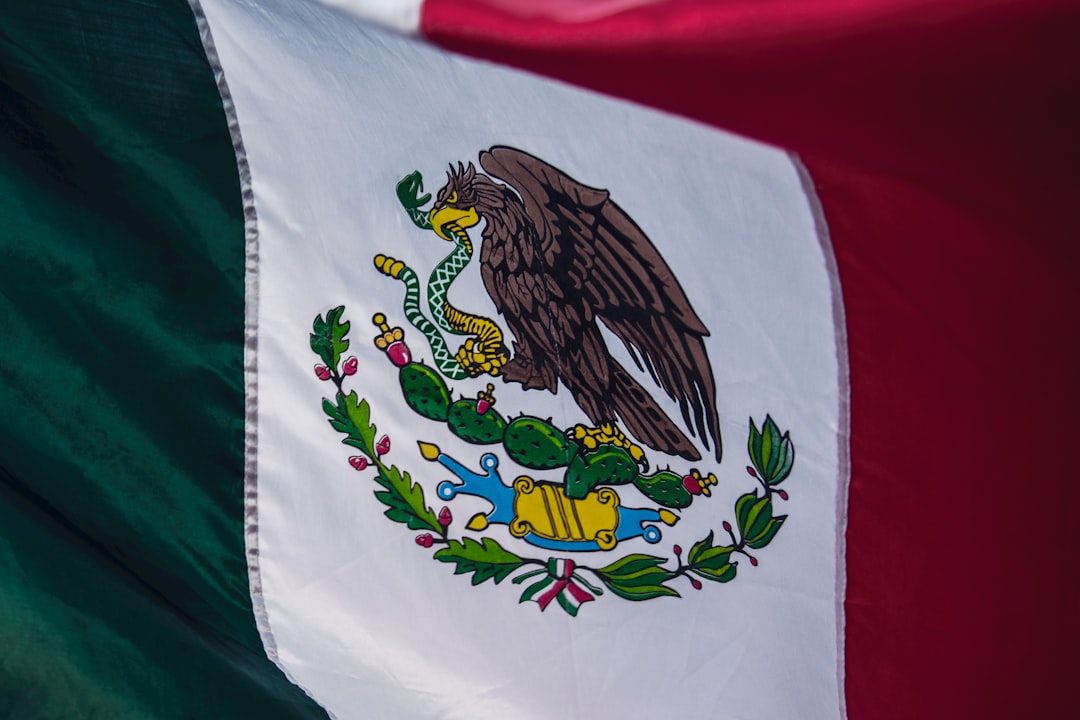 Photo by Tim Mossholder on Unsplash
I’ve been traveling to Mexico for over a decade, and I’ve written this guide to help you sort through the noise. Below you’ll find the exact states to avoid, the best safe alternatives, a comparison of travel insurance options that cover advisory-related cancellations, and a hard look at whether you should cancel or go.
What the 2026 Advisory Actually Says
The State Department’s Mexico advisory is broken into four levels per state. Here’s the current breakdown as of June 6, 2026:
| Level | Status | States Included |
|---|---|---|
| Level 1 | Exercise Normal Precautions | Campeche, Yucatán |
| Level 2 | Exercise Increased Caution | Aguascalientes, Baja California Sur, Chiapas, Mexico City, Hidalgo, México State, Morelos, Nayarit, Nuevo León, Oaxaca, Puebla, Querétaro, Quintana Roo, San Luis Potosí, Sinaloa, Sonora, Tabasco, Tlaxcala, Veracruz, Zacatecas |
| Level 3 | Reconsider Travel | Baja California, Chihuahua, Coahuila, Durango, Guanajuato, Jalisco, Michoacán, Tamaulipas |
| Level 4 | Do Not Travel | Colima, Guerrero, Matamoros (Tamaulipas specific area), Michoacán (specific areas), Sinaloa (specific areas), Zacatecas (specific areas) |
The most important change for summer 2026: Quintana Roo — which includes Cancún, Playa del Carmen, and Tulum — remains at Level 2. That’s the same level as France and the UK. The advisory specifically notes that tourist zones in Quintana Roo have increased police presence and lower crime rates than the rest of the state.
But here’s the catch: the Embassy’s Spring Break warning from March 2026 is still active. It warns that even in tourist areas, you can be caught in the wrong place at the wrong time — especially after dark, near bars, or in unregulated taxis.
The 6 States You Should Not Visit Right Now
Level 4: Do Not Travel
These states have active “do not travel” warnings due to cartel violence, kidnapping, and roadblocks. The Embassy specifically warns that U.S. government employees are prohibited from traveling to these areas, and consular services may be severely limited.
Colima — Small state on the Pacific coast. Cartel turf war has made it one of the most violent states per capita in Mexico. No tourist infrastructure worth risking your life for.
Guerrero — Home to Acapulco, which has seen a dramatic decline in safety. The advisory notes that cartel groups operate checkpoints and engage in shootouts even in daylight. Skip Acapulco entirely this summer.
Matamoros (Tamaulipas specific area) — The border city made international headlines in 2023 after four Americans were kidnapped and two killed. The situation hasn’t improved. Avoid.
Michoacán (specific areas) — The state is home to the avocado industry, which is heavily controlled by cartels. Tourist destinations like Morelia and Pátzcuaro are generally safer, but the advisory covers rural areas and highways.
Sinaloa (specific areas) — The heart of the Sinaloa Cartel. Culiacán and Mazatlán are specifically flagged. The recent death of a cartel leader has triggered violence in these areas.
Zacatecas (specific areas) — A beautiful colonial city, but cartel violence has spiked. The advisory warns of roadblocks and kidnappings on highways.
Level 3: Reconsider Travel
These states have high crime rates but are not considered active war zones. If you have specific business or family obligations, you can go, but you need a solid safety plan.
Guanajuato — Popular with tourists for its colonial architecture, but cartel violence has increased significantly in 2026. Stick to San Miguel de Allende and Guanajuato City, avoid night driving.
Jalisco — Home to Guadalajara and Puerto Vallarta. The Jalisco New Generation Cartel is extremely active. Puerto Vallarta remains relatively safe, but the advisory warns of express kidnappings in Guadalajara.
Tamaulipas — Border state with Nuevo Laredo and Reynosa. Cartels control large portions. Do not drive through this state.
The 10 Safest Destinations for Summer 2026
If you want to minimize risk while still enjoying Mexico, these destinations are your best bets. I’ve ranked them by safety, tourist infrastructure, and current advisory status.
1. Mérida & Yucatán State (Level 1)
This is the safest state in Mexico. No cartel presence, strong local police, and a booming tourist economy. Mérida was named the safest city in Latin America multiple times. You get colonial architecture, cenotes, and Mayan ruins without the stress.
Best for: Solo travelers, families, anyone nervous about safety.
2. Campeche (Level 1)
The quiet neighbor to Yucatán. Campeche City is a UNESCO World Heritage site with walled fortifications. You’ll find fewer tourists, lower prices, and excellent seafood.
Best for: History buffs, budget travelers.
3. Cancún & Riviera Maya (Level 2)
Yes, it’s crowded. Yes, it’s touristy. But the hotel zone in Cancún has its own police force, gated resorts, and a very low violent crime rate. The advisory specifically mentions that tourist areas in Quintana Roo are safer than the rest of the state.
Pros: Direct flights, all-inclusive resorts, English widely spoken. Cons: Sargassum seaweed is bad in summer 2026, prices are high. Best for: First-time visitors, families, resort lovers.
4. Puerto Vallarta (Level 3, but tourist zone is safe)
The tourist areas of Puerto Vallarta are well-policed and safe. The Level 3 rating applies to the state of Jalisco as a whole, not the resort zone. Avoid walking alone at night outside the hotel zone.
Best for: Couples, LGBTQ+ travelers, foodies.
5. Los Cabos (Level 2)
Baja California Sur is Level 2, and the tourist corridor between San José del Cabo and Cabo San Lucas is heavily patrolled. The main risk is petty theft, not cartel violence.
Best for: Luxury travelers, golfers, whale watchers.
6. Mexico City (Level 2)
The capital is safe if you stick to tourist neighborhoods: Polanco, Condesa, Roma, Centro Histórico. Use Uber instead of taxis. Don’t flash valuables. The advisory notes that crime is concentrated in peripheral neighborhoods.
Best for: Culture lovers, foodies, solo travelers.
7. Oaxaca City (Level 2)
Oaxaca City is a cultural gem with excellent food and mezcal. The state is Level 2, but the city itself is safe during the day. Avoid hiking alone in remote areas.
Best for: Foodies, artists, cultural travelers.
8. San Miguel de Allende (Level 3, but safe)
This expat haven in Guanajuato is generally safe. The town is walkable, has a strong police presence, and a large American community. The Level 3 rating is for the state, not the town.
Best for: Art lovers, retirees, couples.
9. Huatulco (Level 2)
A hidden gem on the Oaxaca coast. Nine pristine bays, low development, and very safe. The state is Level 2, but Huatulco has almost no crime.
Best for: Eco-tourists, beach lovers, families.
10. Isla Holbox (Level 2)
A car-free island off the Yucatán coast. No cars, no chain hotels, just sand streets and beach bars. Very safe, very relaxed.
Best for: Backpackers, digital nomads, beach bums.
Travel Insurance Comparison: What Covers Advisory Cancellations
If you’re worried about booking a trip and then having the advisory change, you need the right travel insurance. Not all policies cover “do not travel” advisories. Here’s what you need to know for summer 2026.
| Insurance Provider | Covers Level 4 Advisories? | Covers Level 3 Advisories? | Cancel for Any Reason? | Price for 7-day Mexico Trip | Best For |
|---|---|---|---|---|---|
| World Nomads | Yes, if issued after booking | No | Optional add-on ($40 extra) | $85-$150 | Adventure travelers |
| Allianz Travel | Yes, if issued after booking | No | Yes (50% reimbursement) | $70-$120 | Families |
| Travel Guard | Yes, if issued after booking | No | Yes (75% reimbursement) | $90-$160 | Luxury travelers |
| SafetyWing | No | No | No | $45-$80 | Budget travelers, nomads |
| AXA Assistance | Yes, if issued after booking | No | Optional add-on | $75-$130 | Business travelers |
Key takeaway: No standard policy covers a Level 2 or Level 3 advisory. You need “Cancel for Any Reason” (CFAR) coverage, which typically reimburses 50-75% of your trip cost. CFAR must be purchased within 14-21 days of your initial trip deposit.
For summer 2026, I recommend Travel Guard with the CFAR add-on. It’s the most flexible and gives you the highest reimbursement. Use [AFFILIATE_LINK_TRAVELGUARD] to check pricing.
Real Prices: What a Safe Summer Trip Costs
Here’s what you’ll actually pay for a safe, well-located trip in summer 2026. Prices are per person for 7 nights.
Budget Trip: Mérida
- Flight from US: $350-$550 round trip
- Hotel (3-star, downtown): $60-$90/night
- Food: $20-$35/day
- Activities: $15-$30/day
- Total: $1,100-$1,700
Mid-Range Trip: Cancún (All-Inclusive)
- Flight: $400-$650
- Resort (4-star, all-inclusive): $200-$350/night
- Activities: $50-$100/day
- Total: $2,100-$3,500
Luxury Trip: Los Cabos
- Flight: $500-$800
- Resort (5-star, all-inclusive): $400-$700/night
- Activities: $100-$200/day
- Total: $3,800-$6,300
Safety Tips That Actually Work
I’ve been to Mexico 30+ times. Here’s what I do that most tourists don’t.
1. Use Uber, not taxis. In Cancún, Playa del Carmen, and Mexico City, taxi drivers have been known to collude with criminals. Uber is tracked, rated, and safer.
2. Don’t drive at night. The Embassy’s warning specifically mentions roadblocks and highway robberies after dark. If you rent a car, drive only during daylight hours.
3. Leave your watch and jewelry at home. Cartel members in tourist areas look for easy targets. A Rolex or gold chain makes you a target.
4. Stay in the hotel zone. In Cancún, stay on the hotel strip (Boulevard Kukulcán). In Puerto Vallarta, stay in the Romantic Zone or Hotel Zone. In Cabo, stay in the corridor.
5. Register with STEP. The Smart Traveler Enrollment Program (STEP) lets the Embassy contact you in an emergency. It’s free and takes 5 minutes. Do it at travel.state.gov.
6. Have a backup plan. If your destination gets upgraded to Level 4 while you’re there, know the nearest Embassy location and have a cash reserve.
 Photo by James Kenny on Unsplash
Should You Cancel Your Trip?
Here’s my honest take for summer 2026.
Cancel if: You booked a trip to Acapulco, Matamoros, or any Level 4 state. Those are genuinely dangerous right now. Also cancel if you’re a nervous traveler who won’t enjoy yourself worrying about safety.
Go if: You booked Cancún, Playa del Carmen, Tulum, Mérida, Los Cabos, or Mexico City. These destinations are safe, well-policed, and the advisory is a precaution, not a prohibition.
Modify if: You booked Puerto Vallarta, Guadalajara, or San Miguel de Allende. These are generally safe, but you should adjust your itinerary to avoid night driving, remote areas, and public transportation.
The reality is that millions of Americans visit Mexico every year. The vast majority have a safe, wonderful time. The advisory is designed to inform, not to scare. Use it as a tool to make smart choices, not as a reason to cancel your vacation.
FAQ: What Travelers Are Asking Right Now
Q: Is Cancún safe right now? Yes. Cancún is Level 2, same as France. The hotel zone has its own police force, gated resorts, and a very low violent crime rate. The advisory specifically notes that tourist areas in Quintana Roo are safer than the rest of the state. That said, avoid walking alone on the beach at night and don’t buy drugs.
Q: Can I get a refund if my destination is under a Level 3 or Level 4 advisory? It depends on your airline and hotel. Most airlines (United, American, Delta) offer waivers for Level 4 advisories but not Level 3. Hotels are case-by-case. Your best bet is to purchase “Cancel for Any Reason” travel insurance within 14 days of your first payment. Without CFAR, you’re unlikely to get a full refund.
Q: Is it safe to drive from the US into Mexico? Not this summer. The advisory specifically warns against driving through Tamaulipas, Nuevo León, and Coahuila due to cartel roadblocks and kidnappings. If you must drive, stick to official border crossings at Laredo or El Paso and stay on toll roads (cuotas) only during daylight hours.
Q: What should I do if I’m in Mexico and the advisory changes? First, don’t panic. Register with STEP immediately if you haven’t already. Contact the nearest US Embassy or Consulate. If you’re in a Level 4 area, leave as soon as it’s safe to do so. If you’re in a Level 2 or 3 area, continue your trip with enhanced precautions. Keep a low profile, avoid protests, and monitor local news.
Q: Are all-inclusive resorts safer than Airbnb? Generally, yes. All-inclusive resorts in Cancún, Los Cabos, and Puerto Vallarta have private security, gated entrances, and controlled access. Airbnb properties in residential areas may not have the same level of security. If you choose Airbnb, pick a property in a tourist zone with 24/7 security and good reviews from recent guests.
Q: Is the sargassum seaweed bad this summer? Yes, particularly on the Caribbean coast. Cancún, Playa del Carmen, and Tulum are experiencing moderate to heavy sargassum in June 2026. Hotels are cleaning beaches daily, but the smell can be unpleasant. If you want clear water, choose Los Cabos, Puerto Vallarta, or the Yucatán coast (Mérida/Progreso) instead.
Affiliate Disclosure: Some links in this article are affiliate links. If you book or purchase through them, I may earn a small commission at no extra cost to you. I only recommend products and services I personally use and trust.
Last updated: 2026-06-06