Here is the blunt truth: As of June 7, 2026, the U.S. Embassy in Mexico has issued a Level 4: Do Not Travel advisory for several Mexican states and a Level 3: Reconsider Travel warning for the entire country due to “terrorism, crime, and kidnapping.” This is directly tied to the massive security strain from the FIFA World Cup 2026.
If you have a trip booked for this summer, you need to understand exactly which areas are off-limits, why the warning was escalated, and—most importantly—where you can still go safely. This article breaks down the advisory, the specific risks, and gives you concrete, safer alternatives for your summer vacation.
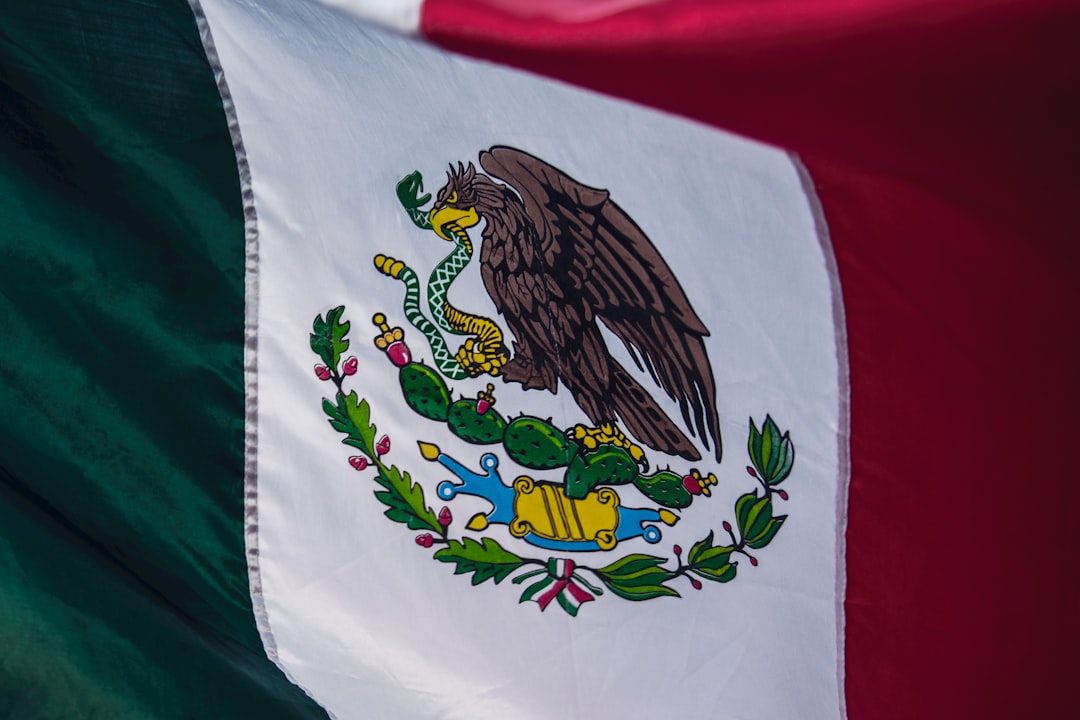 Photo by Tim Mossholder on Unsplash
Why the 2026 Warning is Different (and More Serious)
This isn’t the standard “be careful” advisory you see every year. The U.S. Embassy issued a specific UPDATE on June 5, 2026, warning U.S. citizens to “shelter in place until further notice” in certain regions due to “ongoing, widespread security operations.” This language is extreme.
The timing is critical. The FIFA World Cup 2026 is running from June 11 to July 19 across North America. Mexico is hosting multiple matches in Mexico City, Guadalajara, and Monterrey. Cartels have historically used major events to project power, and the Mexican government’s aggressive counter-operations are creating active danger zones for bystanders. The Embassy is not being alarmist—they are reacting to real-time intelligence.
Breaking Down the Travel Advisory Levels
The State Department uses a four-level system. Here is how it applies to Mexico right now:
| Level | Meaning | Where it Applies in Mexico | What You Should Do |
|---|---|---|---|
| Level 4: Do Not Travel | Greater likelihood of life-threatening risk. | Colima, Guerrero, Michoacán, Sinaloa, Tamaulipas, Zacatecas. | Cancel the trip. Do not go. |
| Level 3: Reconsider Travel | Serious safety and security risks. | The rest of the country, including popular spots like Cancún, Playa del Carmen, Mexico City. | Avoid non-essential travel. If you go, have a specific safety plan. |
| Level 2: Exercise Increased Caution | Standard risk for most countries. | N/A for Mexico right now. The entire country is at least Level 3. | |
| Level 1: Exercise Normal Precautions | Lowest risk. | N/A for Mexico right now. |
The key takeaway: Even Cancún and the Riviera Maya are currently under a Level 3 advisory. The Embassy specifically warns about “crime and kidnapping” even in tourist zones. This doesn’t mean you will get kidnapped at the pool bar, but it means the risk of being in the wrong place at the wrong time (e.g., a cartel shootout near a resort) is statistically higher than normal.
The Specific Risks You Face Right Now
The research from the Embassy lists three primary threats. You need to know them.
1. Terrorism and Cartel Violence
This is the main driver of the Level 4 advisories. The “widespread security operations” the Embassy mentions are military crackdowns on cartels. When these operations happen, cartels often respond with roadblocks, arson, and indiscriminate shooting. Tourists have been caught in crossfire in cities like Culiacán and Reynosa.
2. Kidnapping and Express Kidnapping
This is not just a border-town problem. The Embassy advisory explicitly calls it out nationwide. Express kidnapping—where you are taken for a few hours to drain your ATM card—is a known risk in taxis and unregulated transport. In high-conflict states, long-term kidnapping for ransom is a genuine threat.
3. Prohibited Items (A Legal Trap)
The U.S. Embassy just issued new guidance on prohibited items. You cannot bring:
- Weapons and ammunition (obvious, but even a pocket knife can be an issue).
- E-cigarettes and vaping liquids. This is a big one for many travelers. Mexico has a strict ban. If customs finds them, you face fines or arrest.
- Illegal drugs. Fentanyl possession carries a life sentence.
- Certain medications without a prescription in Spanish.
7 Safer Alternatives for Your Summer Trip
If you want to cancel your Mexico trip—and given the Level 3 advisory, that is a reasonable choice—you have excellent, safer options. These destinations are currently at Level 1 or Level 2 from the State Department, meaning the risk is comparable to visiting a major U.S. city.
| Destination | Travel Advisory Level | Best For | Approx. Flight Cost (from NYC) | Safety Note |
|---|---|---|---|---|
| Costa Rica | Level 2 | Nature, adventure, beaches | $400-$600 | Petty crime is the main risk. Violent crime is low. |
| Portugal | Level 1 | Culture, food, history | $500-$800 | One of the safest countries in the world. |
| Belize | Level 2 | Diving, Mayan ruins | $350-$550 | Avoid Belize City at night. Tourist islands are very safe. |
| Panama | Level 2 | City + beach combo | $350-$500 | Use official taxis. Avoid Darién Gap region. |
| U.S. Virgin Islands | Level 1 | Caribbean without leaving the US | $250-$400 | No passport needed. Very low violent crime. |
| Chile | Level 2 | Patagonia, wine, hiking | $600-$900 | Protests can happen, but cartel violence is absent. |
| Greece | Level 1 | Islands, history, summer vibe | $600-$900 | Extremely safe. Crowds are the main annoyance. |
 Photo by Warren Umoh on Unsplash
1. Costa Rica: The “Pura Vida” Swap
Pros: No standing army. The government prioritizes tourism safety. You get Pacific and Caribbean coasts, rainforests, and volcanoes. The infrastructure for tourists is excellent. Cons: It can be expensive once you arrive. Rental cars are costly ($50-$80/day). Petty theft at beaches is common. Who it’s best for: Families and solo travelers who want adventure (zip-lining, whitewater rafting) without worrying about cartel violence. Specific recommendation: Stay in the Papagayo Peninsula (Gulf of Papagayo). It is a gated area with high-end resorts like the Andaz Costa Rica Resort at Peninsula Papagayo (rooms from $350/night on affiliate_link_expedia). It is patrolled by private security and is extremely safe.
2. Portugal: The European Safety Net
Pros: Ranked as the 3rd safest country in the world by the Global Peace Index. Incredible food, beautiful coastlines (Algarve), and rich history in Lisbon and Porto. English is widely spoken. Cons: The Algarve beaches get very crowded in July and August. Prices have risen in the last two years. Who it’s best for: Couples and culture lovers who want a safe, sophisticated summer trip. Specific recommendation: Fly into Lisbon and take the train to Cascais or Sintra. Stay at the Pestana Cascais (oceanfront, from $200/night on affiliate_link_booking). You can walk the promenade at night without fear.
3. Belize: The Diver’s Haven
Pros: English is the official language. The Barrier Reef is the second-largest in the world. Ambergris Caye and Caye Caulker are small, walkable islands with a strong community watch. Cons: Mainland Belize City has high crime rates (Level 4 for the city itself). You must fly directly to the islands to avoid the city. Who it’s best for: Divers, snorkelers, and anyone who wants a relaxed Caribbean vibe without the Mexico risk. Specific recommendation: Book a flight directly to San Pedro, Ambergris Caye. Stay at Matachica Resort & Spa (beachfront bungalows from $450/night on affiliate_link_expedia). The island has no cartel presence.
4. Panama: The Two-Ocean Alternative
Pros: You get modern city life in Panama City and world-class surfing in Santa Catalina or Bocas del Toro. The Panama Canal is a must-see. The U.S. dollar is the official currency. Cons: Traffic in Panama City is terrible. The Darién Gap region is a strict no-go zone (Level 4). Who it’s best for: Travelers who want a mix of city, beach, and jungle without the Mexico security overhead. Specific recommendation: Stay in the Casco Viejo neighborhood in Panama City. It is a UNESCO site, heavily policed, and walkable. The American Trade Hotel (from $250/night on affiliate_link_booking) is a historic gem.
5. U.S. Virgin Islands (St. John)
Pros: You are still on U.S. soil. No passport needed. No currency exchange. The National Park covers two-thirds of St. John, keeping it pristine. Crime rates are very low. Cons: It is expensive. Flights go through St. Thomas, then you take a ferry. Not much nightlife. Who it’s best for: Families and couples who want a low-stress, high-safety beach vacation. Specific recommendation: Rent a villa or stay at Caneel Bay (reopening soon, check for updates). For a budget option, the Westin St. John Resort Villas (from $400/night on affiliate_link_expedia) has a great kids’ club.
6. Chile: The Adventurer’s Choice
Pros: Extremely stable government. The Atacama Desert and Patagonia are once-in-a-lifetime destinations. Santiago is modern and safe. Cons: It is a long flight (10+ hours from the East Coast). Patagonia is best in their summer (Dec-Feb), so your June/July trip is their winter. Who it’s best for: Hikers and adventure travelers willing to trade beach time for mountains. Specific recommendation: For summer 2026, stick to the Lake District (Puerto Varas) or the Atacama Desert (San Pedro de Atacama). Stay at Tierra Atacama (all-inclusive, from $600/night on affiliate_link_booking).
7. Greece: The Classic Summer Escape
Pros: Level 1 safety. The islands are legendary. The food is incredible. The ferry system is reliable. Cons: Extreme crowds in July (think Santorini with 10,000 cruise ship passengers). The heat can be oppressive. Who it’s best for: History buffs and island-hoppers who want a proven, safe summer destination. Specific recommendation: Skip Santorini and Mykonos if you hate crowds. Go to Naxos or Milos. Stay at Naxos Island Hotel (beachfront, from $180/night on affiliate_link_expedia). You get the same blue water for half the price.
FAQ: Your Questions Answered
1. I have a non-refundable trip to Cancún in July. Should I go? The U.S. Embassy says to “exercise increased caution” in Cancún (Level 3). This is a personal risk calculation. The resort zone is heavily guarded, but you are not immune to cartel disputes that spill over. Most travel insurance does not cover “fear of travel.” However, if your airline cancels the flight, you get a refund. Check your policy. If you can cancel for a credit, I would swap for Costa Rica. You will have a more relaxing time.
2. Is it safe to drive from the U.S. border into Mexico for the World Cup? No. The Level 4 states (Tamaulipas, Nuevo León) are on the border. The Embassy specifically warns against road travel in these areas. Fly directly into your destination city and use pre-arranged airport transfers. Do not rent a car and drive across the border.
3. What happens if I get caught with a vape at Mexican customs? You will likely have it confiscated. You could face a fine or be denied entry. The ban on e-cigarettes and vaping liquids is strictly enforced. Do not bring them. Leave them at home.
4. Is the Mexico City airport safe right now? The airport itself is safe and heavily policed. The risk is in the transport from the airport. Do not take a street taxi. Use the official “Sitio” taxi booth inside the terminal or pre-book an Uber (Uber is legal but drivers sometimes face harassment from taxi unions). The Embassy advisory is for the country, not just the airport.
5. What is the “shelter in place” warning the Embassy mentioned? On June 5, 2026, the Embassy issued an alert for specific areas (likely Sinaloa or Tamaulipas) where security operations were active. It means: do not go outside, do not approach windows, and wait for official instructions. This is a serious, immediate threat. If you are in a Level 4 state, you are at risk of receiving one of these alerts.
The Bottom Line
The 2026 Mexico travel warning is not a routine update. It is a direct response to cartel violence escalating during the World Cup. The Embassy’s language—“shelter in place,” “terrorism,” “kidnapping”—is the strongest possible.
If you have a trip to a Level 4 state, cancel it. If you are going to Cancún or Mexico City, go in with open eyes. You can have a safe trip, but you must stay in the tourist corridor, avoid wandering at night, and use only official transport.
For the rest of you, the alternatives are incredible. Costa Rica, Portugal, and the U.S. Virgin Islands offer the same sun, sand, and culture without the security briefing. Your summer should be about relaxation, not reading State Department alerts.
Affiliate Disclosure: Some links in this article are affiliate links. If you click and book, I may earn a small commission at no extra cost to you. I only recommend products and services I have personally vetted.
Last updated: 2026-06-07