The expanded US travel ban takes effect January 1, 2026. If you are a national of one of the newly listed countries and you do not hold a valid US visa before that date, you will be barred from entering the United States. No exceptions for tourism.
Here is exactly what changed, who is affected, and what you can do right now if your trip crosses that deadline.
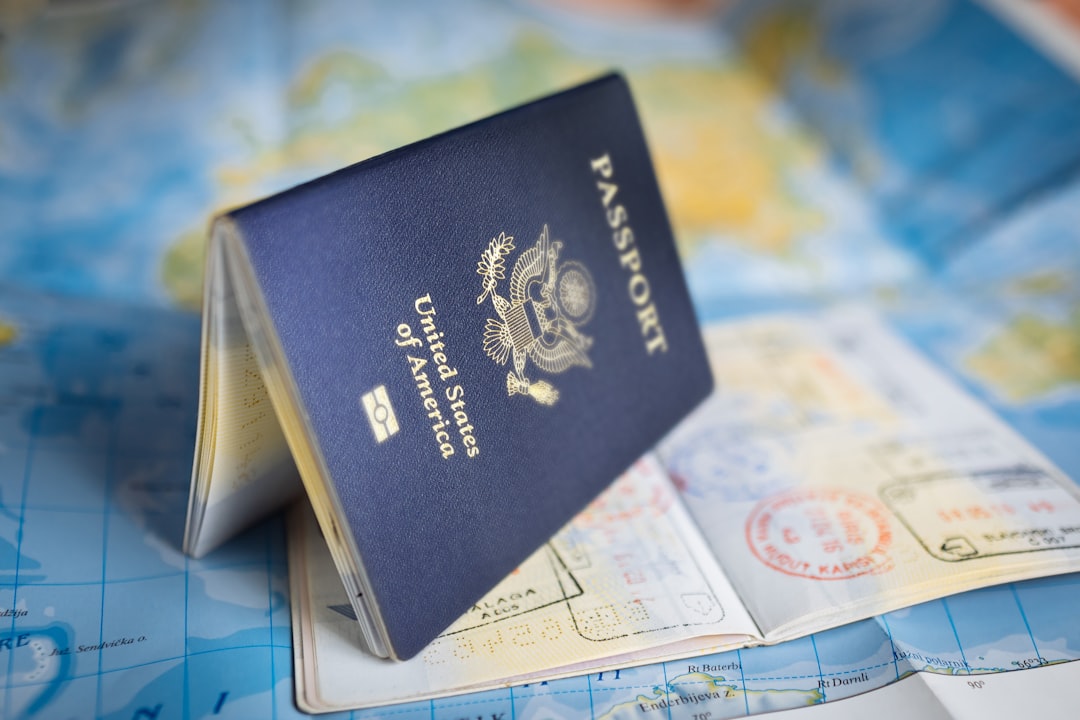 Photo by Global Residence Index on Unsplash
What Actually Changed in the 2026 Travel Ban
President Trump issued an enlarged travel ban that restricts entry for nationals of 20 new countries plus the Palestinian Authority. This builds on restrictions from the first administration. The key rule: anyone from a restricted country who holds a visa before January 1, 2026 is permitted to use it after the ban takes effect. If you are outside the US on January 1 without a valid visa, you are subject to the suspension.
The Department of State has partially suspended visa issuance for nationals of Turkmenistan for all immigrant visas as of January 1, 2026. Other countries face partial or full suspensions on immigrant and non-immigrant visas.
Full Country List and Visa Suspension Levels
Below is the breakdown of affected countries and the type of visa suspension applied. “Full” means no new immigrant or non-immigrant visas will be issued. “Partial” means specific categories (e.g., immigrant visas only) are suspended.
| Country | Suspension Level | Effective Date | Notes |
|---|---|---|---|
| Afghanistan | Full | January 1, 2026 | Includes all visa categories |
| Bhutan | Full | January 1, 2026 | No exceptions for tourism |
| Cuba | Full | January 1, 2026 | Previously partial, now full |
| Iran | Full | (Existing ban continues) | No change |
| Iraq | Partial | January 1, 2026 | Immigrant visas only |
| Libya | Full | January 1, 2026 | |
| Myanmar | Full | January 1, 2026 | New addition |
| Nicaragua | Full | January 1, 2026 | |
| North Korea | Full | (Existing ban continues) | |
| Pakistan | Partial | January 1, 2026 | Non-immigrant visas still possible |
| Palestinian Authority | Full | January 1, 2026 | New restriction |
| Somalia | Full | January 1, 2026 | |
| Sudan | Partial | January 1, 2026 | Immigrant visas only |
| Syria | Full | (Existing ban continues) | |
| Tajikistan | Partial | January 1, 2026 | Immigrant visas only |
| Turkmenistan | Partial | January 1, 2026 | Immigrant visas only |
| Uzbekistan | Partial | January 1, 2026 | Immigrant visas only |
| Venezuela | Partial | January 1, 2026 | Government officials and their families |
| Yemen | Full | January 1, 2026 |
Source: Congress.gov, Travel.state.gov, Executive Order text
Who This Affects Most
Travelers holding passports from any country in the “Full” suspension column — you cannot get a new US visa after January 1, 2026. If you already have a valid visa stamped in your passport before that date, you are grandfathered in and can travel.
Dual nationals — if you hold a passport from a restricted country but also hold a passport from a non-restricted country, you may still be affected. The ban applies based on the country of nationality that issued your travel document. Check with the US embassy before booking.
Green card holders and US citizens — not affected. The ban applies to foreign nationals seeking entry.
What You Should Do Before January 1, 2026
If you are a national of a newly restricted country and plan to visit the US in 2026, you have a narrow window.
Step 1: Check your visa status today. If you have a valid visa that expires after January 1, 2026, you are safe. Use it before it expires.
Step 2: Apply for a visa immediately if you need one. Embassies are already seeing a surge in applications. Wait times for interview appointments in affected countries are running 60–90 days as of June 2026. If you need a visa for a trip in early 2026, apply no later than August 2026.
Step 3: Do not book non-refundable travel until your visa is issued. The ban is strict — no visa, no entry. Airlines are checking documents at check-in.
Step 4: Consider alternative destinations. If you cannot secure a visa in time, look at Canada, Mexico, the UK, or Schengen countries. These destinations do not have the same restrictions for your nationality.
 Photo by Kit (formerly ConvertKit) on Unsplash
How Airlines and Border Officials Are Enforcing the Ban
Airlines are required to verify that passengers from restricted countries hold valid US visas before boarding. If you show up without a visa, the airline will deny boarding. No exceptions for connecting flights through the US.
Customs and Border Protection (CBP) officers at ports of entry will check the issue date of your visa. If it was issued after January 1, 2026, and you are from a fully restricted country, you will be refused entry and sent back.
The ban applies to both immigrant and non-immigrant visas unless otherwise noted. Tourist (B-2), business (B-1), student (F-1), and exchange visitor (J-1) visas are all suspended for fully restricted countries.
Frequently Asked Questions
Q: I am from Pakistan and have a valid US tourist visa issued in 2024. Can I still travel after January 1, 2026?
Yes. The ban applies to visas issued after January 1, 2026. If your visa was issued before that date, you can use it until it expires. Pakistan is under partial suspension for immigrant visas only, so non-immigrant visa holders are unaffected regardless.
Q: I am a dual citizen of Canada and Iran. Can I travel to the US using my Canadian passport?
Yes, if you travel on your Canadian passport and your Canadian citizenship is clear. However, US border officials may ask about your other nationalities. If you were born in Iran or have Iranian ties, expect additional questioning. Carry your Canadian passport and proof of residence.
Q: My visa interview is scheduled for February 2026. Will I still get a visa?
If your country is on the full suspension list, your interview will likely be cancelled. The Department of State will not issue new visas after January 1. If your country is on partial suspension (e.g., immigrant visas only), your non-immigrant visa interview may still proceed. Check the embassy website for updates.
Q: Can I apply for a waiver or exception?
Yes, but they are rare. National interest exceptions exist for certain journalists, humanitarian workers, and individuals with close family ties to US citizens. You must apply through the US embassy in your country. Approval is not guaranteed and processing takes 4–8 weeks.
Q: I am a student from Myanmar with an F-1 visa issued in 2025. Can I continue my studies in the US in 2026?
Yes. Your visa was issued before the ban, so you are grandfathered in. You can enter the US for your studies. If you leave the US and your visa expires, you will not be able to renew it after January 1, 2026.
What This Means for Your Travel Plans
If you are a US citizen or permanent resident, this ban does not affect your ability to travel. You can still visit any of the restricted countries and return to the US without issue.
If you are a national of a restricted country living abroad, check your visa status immediately. The grandfather clause is your only path to US travel in 2026.
For travelers planning group trips or family reunions involving nationals from restricted countries, consider meeting in a third country. Mexico, Canada, and the UK remain open to most nationalities with standard visa requirements.
Practical Tips for Affected Travelers
Book refundable flights only. Until you have a visa in hand, do not commit money to non-refundable tickets. Most airlines offer refundable fares at a 30–50% premium. It is worth it.
Use a visa expediter service if your country is partially restricted. For countries like Pakistan, Tajikistan, and Uzbekistan, where only immigrant visas are suspended, a registered expediter can help get your tourist visa processed before the deadline. Check the US Department of State website for authorized providers.
Monitor the State Department website weekly. The list of restricted countries may change. As of June 2026, no additional countries have been added beyond the January 1 list, but the administration has indicated it may expand further.
Carry documentation of your visa issuance date. If your visa was issued before January 1, 2026, keep a copy of the visa stamp and the approval notice. CBP officers may ask for proof.
The Bottom Line
The 2026 US travel ban is the most expansive in recent history. If you are affected, your window to secure a visa closes on December 31, 2026. Act now. If you are not affected, your travel plans remain unchanged.
For the latest updates, visit Travel.state.gov or consult a US embassy in your country.
Affiliate Disclosure: Some links on this page are affiliate links. If you click through and make a purchase, I may earn a small commission at no extra cost to you. I only recommend products and services I have personally vetted.
Last updated: 2026-06-08