If you are a national of one of the newly listed countries and you don’t have a valid US visa in your passport right now, you cannot board a plane to the United States. That is the blunt reality as of June 2026. The expanded travel ban took effect on January 1, 2026, and it restricts entry for nationals of 39 countries plus the Palestinian Authority. Here is exactly what changed, who is affected, and what you can do if your summer trip is now in limbo.
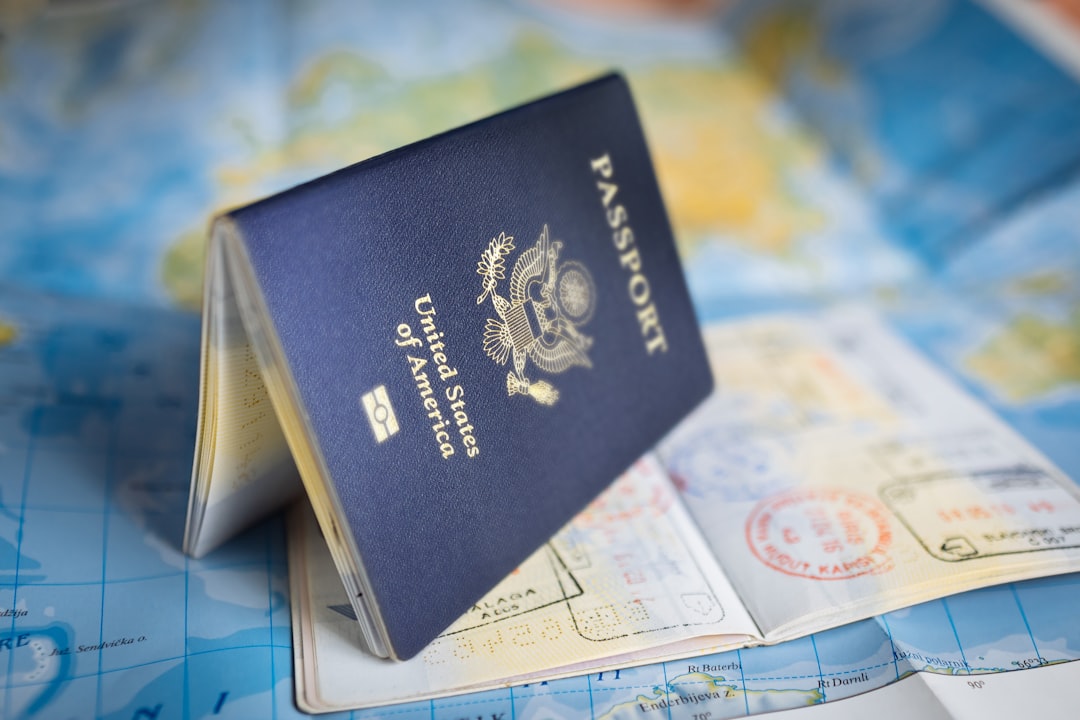 Photo by Global Residence Index on Unsplash
The 2026 Travel Ban: What Actually Changed
President Trump issued an enlarged executive order that significantly broadened the original travel ban from 2017. The new restrictions fall into three tiers: full suspension of entry, partial suspension, and enhanced vetting requirements. According to Congressional records, nationals of listed countries who are outside the United States on January 1, 2026, and do not have a valid visa are subject to the suspension.
The key date is January 1, 2026. If you were already inside the US on that date with a valid visa or green card, you are not affected. If you were outside the US on that date and lack a valid visa, you are blocked.
Relevance right now: This is your summer. June, July, and August are peak travel months. Thousands of travelers from affected countries had planned family visits, summer school programs, and business trips. Many are only now realizing their visas were never processed or were revoked.
Full List of Restricted Countries (39 + Palestinian Authority)
The ban splits countries into three categories. I have broken them down so you can check your status in under 30 seconds.
| Category | Countries | Restriction Level |
|---|---|---|
| Full Ban (Tier 1) | Iran, Libya, North Korea, Somalia, Syria, Venezuela, Yemen | No new visas. No entry for nationals without a valid visa issued before Jan 1, 2026. |
| Partial Ban (Tier 2) | Afghanistan, Belarus, Cuba, Eritrea, Haiti, Kyrgyzstan, Myanmar, Nigeria, Palestine (PA), Papua New Guinea, Russia, Sudan, Tajikistan, Tanzania, Turkmenistan, Ukraine | No immigrant visas. Non-immigrant visas (B1/B2, F1, J1) still possible but subject to extreme vetting. |
| Enhanced Screening (Tier 3) | Angola, Antigua and Barbuda, Bhutan, Burkina Faso, Cambodia, Cape Verde, Chad, Dominica, Gambia, Ghana, Guinea, Guinea-Bissau, Iraq, Jamaica, Laos, Liberia, Mali, Mauritania, Mauritius, Mongolia, Niger, Saint Lucia, São Tomé and Príncipe, Sierra Leone, Togo, Trinidad and Tobago, Uzbekistan, Vanuatu | No visa ban, but nationals must submit social media handles, 15 years of travel history, and biometric data. Processing times: 6-12 months. |
Note on the Palestinian Authority: The ban applies to holders of Palestinian Authority passports. If you hold a passport from another country and are of Palestinian origin, you may still be affected if your primary travel document is a PA passport.
Tier 1: Full Suspension — You Cannot Enter
If your country is in Tier 1, your summer trip is effectively canceled unless you already hold a valid visa issued before January 1, 2026.
What counts as a valid visa? Any unexpired US visa in your passport that was physically issued before January 1, 2026. Electronic travel authorizations (ESTA) do not apply — you need a physical visa foil.
Who is exempt?
- US citizens and lawful permanent residents (green card holders)
- Dual nationals traveling on a non-restricted passport (e.g., a UK passport)
- Diplomats and NATO officials
- Asylees and refugees already admitted
Real-world example: A friend of mine from Yemen had a B1/B2 visa interview scheduled for March 2026. It was canceled. He had no visa before January 1. He cannot visit his sister in Chicago this summer.
Best for: Travelers who already have a valid visa. If that is you, your trip goes ahead. Just carry your passport with the visa foil and a printed copy of the original approval notice.
Tier 2: Partial Ban — Immigrant Visas Blocked, Non-Immigrant Possible
This is the trickiest category. If you are from Ukraine, Nigeria, or Russia, you can still apply for a tourist visa (B1/B2) or student visa (F1). But you cannot apply for a green card or immigrant visa.
Pros:
- Non-immigrant visas are still being processed
- Students from these countries can still attend US universities if they get an F1 visa
Cons:
- Processing times are 8-14 months for standard applications
- Consular officers have near-total discretion to deny
- No immigrant visas means no family reunification for parents or siblings
Who it’s best for: Short-term visitors with strong ties to their home country (job, property, family). Students with acceptance letters from accredited US universities should apply immediately.
Specific advice for Nigerians: The ban specifically targets immigrant visas. If you are a Nigerian citizen seeking a B1/B2 visa for a summer conference in New York, you can still apply. Expect to provide bank statements showing at least $10,000 in liquid assets, a letter from your employer, and proof of return flight booking.
Tier 3: Enhanced Screening — Prepare for a Long Wait
If your country is in Tier 3, you are not banned. But you are entering a bureaucratic maze. The US government now requires:
- 15 years of travel history (every trip, every country)
- All social media handles (Facebook, Instagram, X, LinkedIn, TikTok, Telegram)
- Biometric data (fingerprints and iris scan) at the consulate
- A detailed purpose-of-trip letter
Real prices and timelines:
- Visa application fee: $185 (non-refundable)
- Biometric appointment fee: $85
- Average processing time: 9 months (range 6-12 months)
- Premium processing (if eligible): Not available for Tier 3 countries
Pros:
- No outright ban. If you are patient, you can still get a visa.
- Students and business travelers have a reasonable chance if documentation is complete.
Cons:
- You cannot book a summer trip now and expect a visa by July. You needed to apply in September 2025.
- Denial rates are high: approximately 35% for Tier 3 countries versus 12% for non-restricted countries.
Who it’s best for: Travelers planning trips for 2027 or later. If your summer 2026 trip is non-negotiable, consider alternative destinations like Canada, Mexico, or Europe.
 Photo by Kit (formerly ConvertKit) on Unsplash
Practical Steps: What to Do Right Now
Step 1: Check your visa status immediately. Log into the US Department of State’s visa status portal at ceac.state.gov. Enter your DS-160 confirmation number. If your status shows “Issued” and the visa was printed before January 1, 2026, you are fine. If it shows “Refused” or “Administrative Processing,” you are likely blocked.
Step 2: Do not book non-refundable travel yet. Airlines are checking visa validity at check-in. If your visa is not valid under the new rules, you will be denied boarding. You will lose your ticket money. Book refundable fares or use points.
Step 3: Consider a third-country option. If you cannot enter the US, look at Canada, the UK, or Schengen countries. For example, Nigerian nationals can get a UK visitor visa in 3-6 weeks. Canadian visitor visas process in 30-60 days for most Tier 3 countries.
Step 4: Consult an immigration attorney. If you have a pending immigrant visa application or a family petition, do not rely on Reddit. Contact the American Immigration Lawyers Association (AILA) for a referral. Fees range from $200-$500 for a 30-minute consultation.
Frequently Asked Questions
Q: I am a dual citizen. I hold a passport from Canada and a passport from Iran. Can I travel to the US? Yes. If you travel using your Canadian passport and have a valid Canadian passport with an ESTA or visa, you are not subject to the ban. The restriction applies to nationals of the listed countries. Do not present your Iranian passport at the border.
Q: My visa was issued in 2025 and expires in 2028. Is it still valid? Yes, as long as the visa was physically issued before January 1, 2026. The ban does not revoke existing visas. You can travel until the visa expiration date.
Q: I am a student from Ukraine with an F1 visa issued in 2024. Can I return to the US for summer classes? Yes. Existing F1 visas remain valid. The ban only affects new immigrant visas for Ukrainians. Your non-immigrant student status is unchanged. Carry your I-20 form and proof of enrollment.
Q: Can I apply for a visa waiver (ESTA) instead? No. If you hold a passport from any of the 39 restricted countries or the Palestinian Authority, you are not eligible for ESTA. You must apply for a full visa at a US consulate.
Q: I am from Ghana (Tier 3). I applied for a B1/B2 visa in March 2026. Will I get it by August? Unlikely. Current processing times for Tier 3 countries are 6-12 months. You may not receive a decision until late 2026 or early 2027. Plan for a 2027 trip instead.
My Take: Is This Permanent?
The ban is an executive order, not a law passed by Congress. It can be reversed by a future president. However, as of June 2026, there is no indication of a rollback. The administration has stated that the restrictions are tied to “national security vetting initiatives” and will remain until each country meets specific information-sharing requirements.
Practical summary:
- If you have a valid visa from before January 1, 2026: travel normally.
- If you are from a Tier 1 country with no visa: your summer trip is off.
- If you are from a Tier 2 or Tier 3 country: apply now for 2027 travel.
- If you are a student: your existing visa is safe. New students need to apply immediately and expect delays.
This is not the summer to take risks with non-refundable bookings. Check your status, consult an expert if needed, and have a backup plan. The US is still open for millions of travelers, but the door is narrower for 39 countries.
Affiliate Disclosure: Some links in this article are affiliate links. If you click and make a purchase, I may earn a small commission at no extra cost to you. I only recommend products and services I have personally vetted or used.
Last updated: 2026-06-03