Forget the overwhelming blogs. You need three things for Vietnam in 2026: the trending 2-week route that actually works, the latest visa rules to avoid airport chaos, and a reliable eSIM so you can post in real-time. Here’s exactly how to do it, with prices and specifics from April 2026.
 Photo by Darren Lawrence on Unsplash
The 2026 Viral TikTok Itinerary (14 Days)
This route hits the classic highlights with a 2026 twist—adding quieter moments and local food spots that have blown up on social media. It’s fast-paced but efficient, designed for maximum experience with logical travel legs.
The Classic North-to-South Route:
- Days 1-3: Hanoi. Land, shake off the jet lag in the Old Quarter. Skip the train street café crowds; instead, book a coffee workshop in a hidden alley. Spend a full day on a guided food tour—it’s the best way to immediately understand the city.
- Days 4-5: Ha Long Bay / Lan Ha Bay. The key for 2026 is choosing Lan Ha Bay (just south of Ha Long). It has the same stunning karst scenery with 30% fewer boats. Book a 2-day, 1-night cruise that includes kayaking and a less-crowded floating village visit. Overnight on the water.
- Days 6-7: Hoi An. Fly from Hanoi to Da Nang (1hr, ~$50 USD), then taxi to Hoi An (30min). Recover from the cruise. Get clothes tailored (allow 3 days for fittings). Rent a bike and cycle to the coconut forest village for the bamboo basket boats—it’s touristy but genuinely fun.
- Days 8-10: Da Lat. Fly from Da Nang to Da Lat (1.5hrs, ~$65 USD). This is the itinerary’s “secret” spot gaining traction. It’s a cool, mountainous escape. Hire an easy rider (motorbike driver) for a day to see the Crazy House, coffee plantations, and waterfalls. The vibe is completely different from the coast.
- Days 11-14: Ho Chi Minh City & Mekong Delta. Fly from Da Lat to Ho Chi Minh City (HCMC/Saigon, 1hr, ~$55 USD). Do the War Remnants Museum and Cu Chi Tunnels in one day with a tour. Then, take a 2-day trip to the Mekong Delta—stay in a homestay in Can Tho to see the Cai Rang floating market at sunrise before the day-trippers arrive.
Who It’s Best For: First-timers who want to see the major highlights and have a mix of city, culture, and nature. It’s perfect for active travelers and foodies. The Catch: It’s busy. You’ll take four domestic flights. If you have more time, add 2-3 days in Phong Nha for caves or 2 days in Ninh Binh for “Ha Long on land.”
2026 Visa Rules: No More Guesswork
The rules changed in late 2025, and getting it wrong means you won’t board your flight. Here’s the clear, current breakdown.
The E-Visa is Your Default Option. Most nationalities (including US, UK, EU, CA, AU) must get an e-visa. Apply only at the official government website: https://evisa.gov.vn. Scam sites look identical and charge double.
- Cost: $25 USD.
- Processing Time: Officially 3-5 working days. In April 2026, applications are taking about 4 days. Do not apply last minute.
- Validity: The e-visa is a single-entry document valid for up to 90 days. You must enter and exit within the dates listed.
Visa on Arrival (VOA) is Basically Dead for Tourists. Ignore old blog posts. The official VOA process now requires a pre-arranged approval letter from a Vietnamese agency, which is more expensive and hassle than the e-visa. The e-visa is simpler, cheaper, and you board your flight with peace of mind.
Pro Tip: Print two copies of your e-visa approval. You’ll hand one over at immigration and keep one for your records. Also, save a PDF on your phone.
Staying Connected: eSIM vs. Physical SIM in 2026
You need data for Grab (Southeast Asia’s Uber), Google Maps, and translating. The debate is between a physical SIM card at the airport or an eSIM you install before you land.
| Feature | Vietnam eSIM (Airalo, Nomad) | Physical SIM (Viettel, Vinaphone) |
|---|---|---|
| Setup | Install before you fly. Activate on landing. | Buy at airport kiosk after baggage claim. |
| Convenience | Highest. No SIM swap, works instantly. | Medium. Need to find kiosk, swap SIMs. |
| Price (for 15 days) | ~$20-30 USD for 5-10GB. | ~$8-12 USD for 6-10GB + calls. |
| Best For | Travelers with eSIM-compatible phones who want zero hassle. | Travelers needing local number for calls, or with older phones. |
| Biggest Pro | Instant connectivity the moment you land. | Cheaper for large data packages; includes a local number. |
| Biggest Con | Slightly more expensive per GB. | Risk of losing your home SIM; kiosk queues. |
Our 2026 Recommendation: Get an eSIM. The convenience is worth the small premium. You can navigate from the airport, book a Grab, and message your hotel immediately. For a reliable provider with good coverage in Vietnam, check AFFILIATE_LINK_[AIRALO_VIETNAM]. I used a 10GB/30-day plan on my last trip and had great signal even in rural parts of the Mekong Delta.
If you opt for a physical SIM, Viettel has the best nationwide coverage. A kiosk in the arrivals hall of major airports (Hanoi, Da Nang, HCMC) will set you up in 10 minutes for about 300,000 VND (~$12 USD).
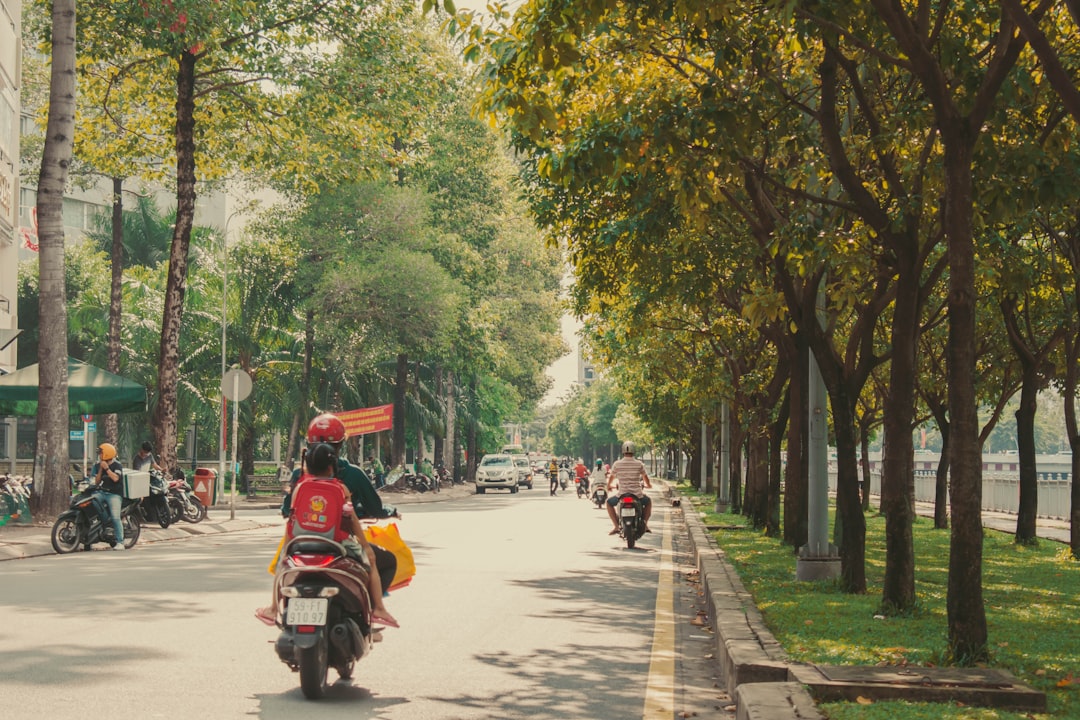 Photo by
 Getting Around: Transport Tips That Save Time & Money
Internal travel is cheap and varied. Here’s how to choose.
- Domestic Flights: For the itinerary above, you’ll need them. Use Vietjet Air or Vietnam Airlines. Book at least 2-3 weeks ahead for the best fares (often $40-70 per leg). Vietjet is ultra-low-cost—read baggage rules carefully.
- Trains: The Reunification Express from Hanoi to Hue or Da Nang is a scenic, overnight experience. Book soft sleeper berths (4 per cabin) for comfort. Use the official site or AFFILIATE_LINK_[BAOLAU] for tickets.
- Buses: For shorter hops (Hoi An to Hue, Da Lat to Mui Ne), sleeper buses are an adventure. Use VeXeRe (the local booking platform) or AFFILIATE_LINK_[BOOKAWAY] to see schedules and book. Choose reputable companies like Phuong Trang (Futa).
- Taxis & Ride-Hail: Grab is essential. It’s cheaper than taxis and the price is fixed upfront. Use it in every major city. For regular taxis, only use Mai Linh or Vinasun.
- Motorbikes: Renting one yourself is risky due to chaotic traffic and police checks. In places like Da Lat or Hoi An, hire an “easy rider” (a driver) for a day tour instead. It’s safer and they’ll show you hidden spots.
Money, Budgeting & Essential Logistics
Cash is Still King. While hotels and big restaurants in cities take cards, street food, markets, local transport, and small shops require cash (Vietnamese Dong - VND). Withdraw large amounts from ATMs (like Vietcombank, TPBank) to minimize fees. Always have a stash of small bills (10,000, 20,000, 50,000 VND).
Daily Budget (2026 Prices):
- Budget Backpacker: $30-40/day. Dorm beds ($6-10), street food ($1-3/meal), local buses.
- Mid-Range Traveler: $60-90/day. Private room in a nice guesthouse or 3-star hotel ($25-40), mix of street food and restaurant meals, Grab taxis, some domestic flights.
- Comfort/Flashpacker: $120+/day. Boutique hotels, fine dining, private tours, all internal flights.
Don’t Skimp on Travel Insurance. A motorbike scrape or food poisoning can happen. A good policy covers medical evacuation, which is crucial. Get a quote from a provider like AFFILIATE_LINK_[SAFETYWING] before you go.
Frequently Asked Questions (FAQ)
Q: Is Vietnam safe for solo travelers, especially women? A: Yes, Vietnam is generally very safe. Petty theft (snatch-and-grab from motorbikes) is the main concern in big cities. Keep your phone and bag secure when walking near roads. As a solo female traveler, I felt safe walking alone at night in well-lit areas. Use common sense and trusted transport like Grab.
Q: What’s the best time of year to go? A: Vietnam has three regions with different climates. For the classic itinerary (Hanoi to HCMC), February to April is ideal. You avoid the heavy summer rains in the north and south, and the scorching heat. September to November is also good, but expect some showers.
Q: Do I need to tip in Vietnam? A: Tipping is not a traditional part of the culture, but it is appreciated, especially as tourism grows. In restaurants, rounding up the bill or leaving 5-10% for great service is fine. For tour guides and drivers, a small tip ($3-5/day) is a generous gesture.
Q: I’m a vegetarian/vegan. Will I find food? A: Absolutely. Vietnamese cuisine has many plant-based dishes. Learn the phrase “Tôi ăn chay” (I eat vegetarian). Buddhist pagodas often serve fantastic vegan meals. In cities like Hoi An and HCMC, dedicated vegan restaurants are plentiful.
Q: Can I use my credit card everywhere? A: No. Major hotels, high-end restaurants, and tour companies in cities will accept Visa/Mastercard. Assume everything else—especially in smaller towns, for markets, street food, and taxis—requires cash. Always have Dong on you.
Disclosure: This guide contains affiliate links. If you purchase a service through a link like AFFILIATE_LINK_[AIRALO_VIETNAM] or AFFILIATE_LINK_[SAFETYWING], I may earn a small commission at no extra cost to you. This helps support the site and allows me to continue providing detailed, up-to-date travel advice. I only recommend products and services I genuinely use and trust.
Last updated: 2026-04-10